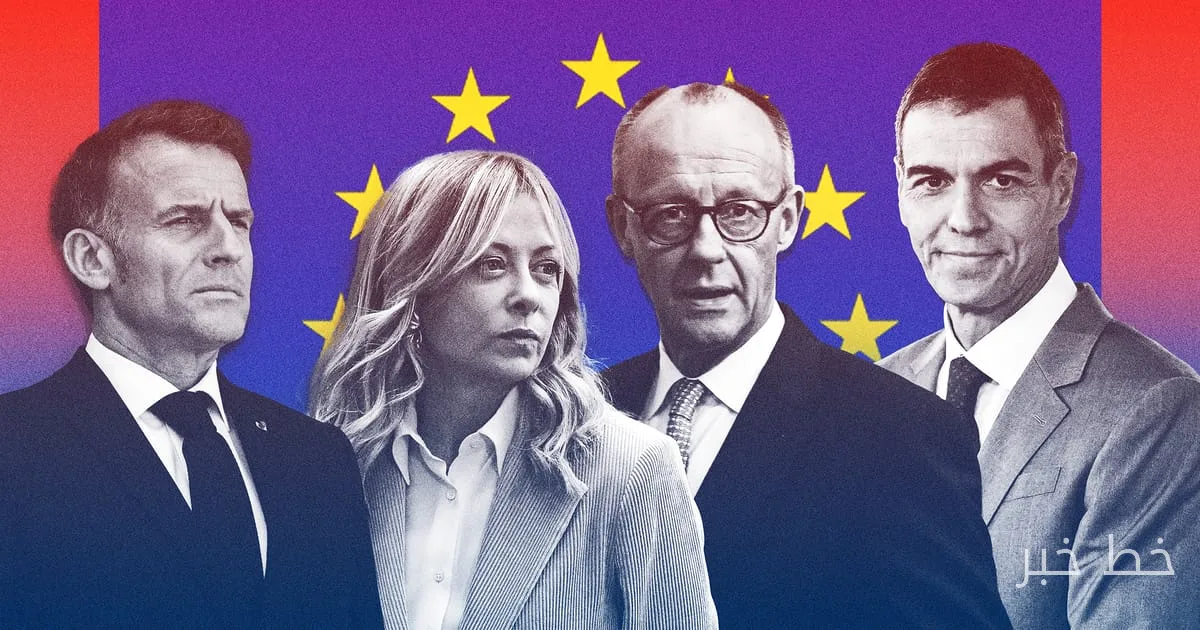
Germany has rejected Ireland's proposal for the seven-year EU budget despite a reduction of 159 billion euros. This decision comes as disagreements among governments over the location of the cuts have intensified, and the European Parliament has threatened to block the agreement.
Disagreements Among Governments Over the Budget
After significant cuts to the budget were approved, EU member states are in sharp disagreement over how to allocate these reductions. This has created a critical situation for the EU, with tensions seemingly rising ahead of the Union leaders' summit. Some countries are calling for cuts in specific areas, while others believe these reductions should be distributed more fairly.
Read more: Raphaël Glucksmann Wins in the French Center-Left Primary Elections
European Parliament's Threat to Block the Agreement
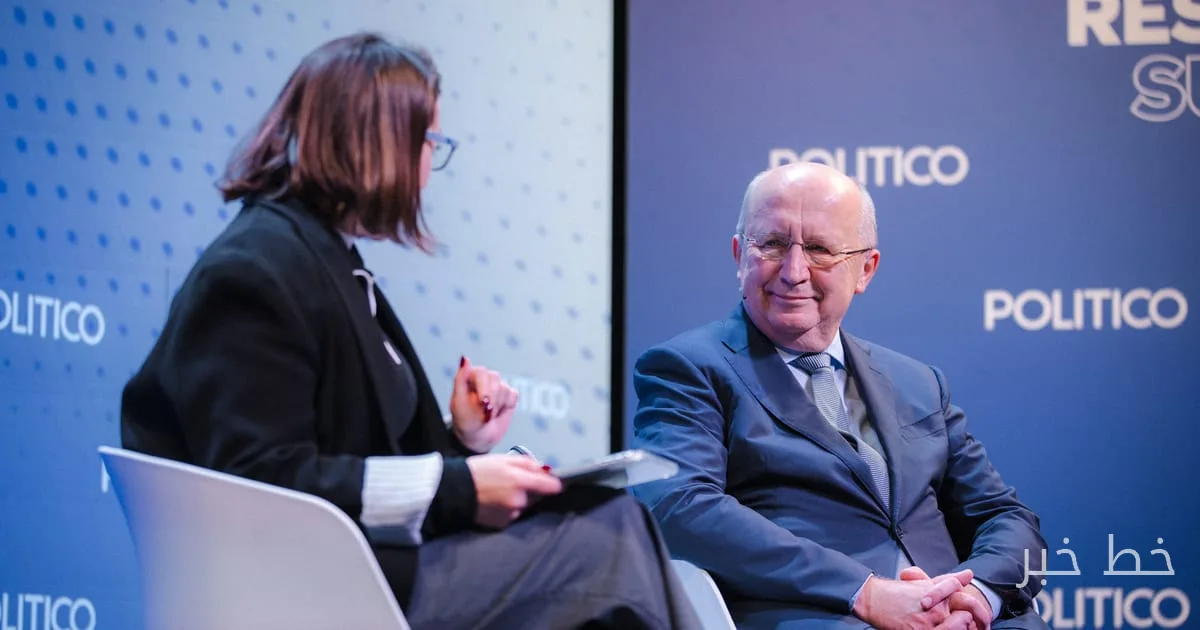
The European Parliament has also taken a strong stance, stating that if governments cannot reach an agreement on the budget, they may take action to block the deal. This will significantly impact the financial situation of the EU and its future programs. In this context, Zoya Shvatalovich and Nick Vinokur analyze the implications of this crisis and its effects on the leaders' summit.
In this summit, Zoya also conducted an interview with Magnus Brunner, the EU Commissioner for Migration. In this interview, Brunner referred to Europe's efforts to control illegal immigration and stricter programs regarding Russian visitors and former soldiers. These actions may have significant consequences for Europe's immigration policies in the future.
Additionally, there are also rumors about the absence of expected influencers at the upcoming summit, who will not be present at this event due to current circumstances. This could contribute to a decrease in the media appeal of the summit and negatively impact the public image of the Union.
Read more: The European Commission Presents New Reforms for Expanding the Union · Germany's Population is Expected to Decrease to 81.8 Million by 2045