Germany and its allies in the European Union rejected Ireland's proposal for an 8% cut to the proposed EU budget for the period 2028 to 2034 as insufficient. Ireland, which currently holds the presidency of the EU Council, proposed on Saturday that the budget be reduced by 159 billion euros.
Positions of Various Countries
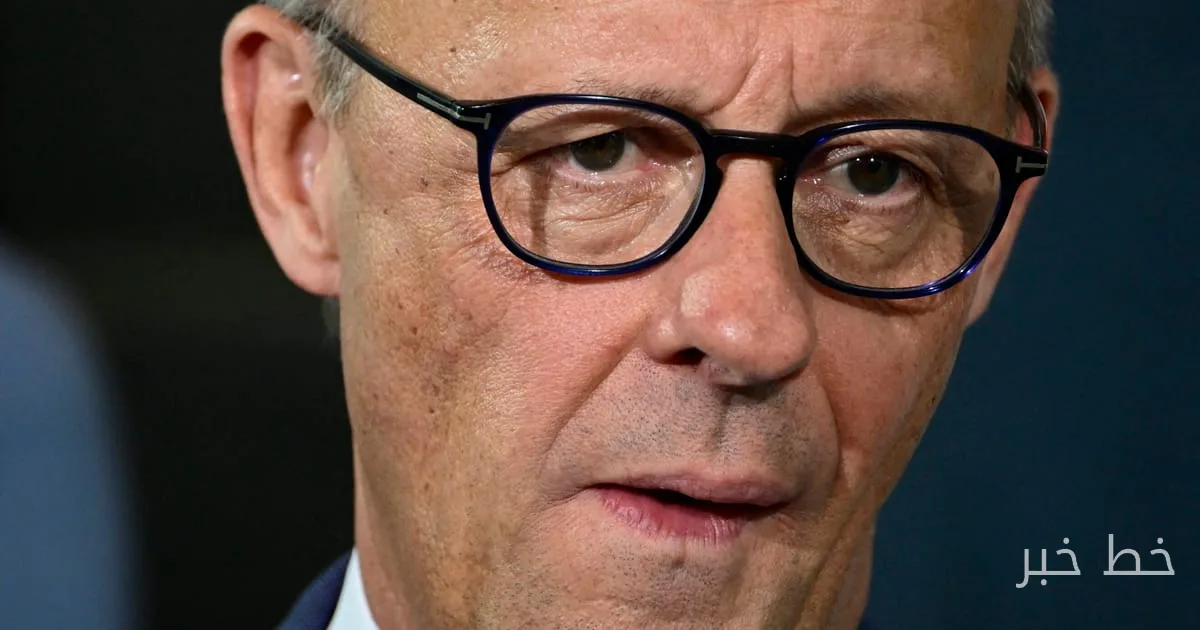
A group of European countries led by Germany has called for deeper cuts to the budget, seeking reductions worth several hundred billion euros. Friedrich Merz, a German official, stated, "We are still far from an agreement. The high level of the new proposal does not provide any basis for an agreement. The EU budget must be bearable for the countries that bear the main burden of financing." Germany, as the largest and wealthiest economy in the EU, contributes nearly a quarter of the Union's joint budget.
Read more: Election of an Extremist Representative by CDU in the German Parliament
Pressure on Other Countries
Berlin, at the head of a group including six other countries, emphasizes the need for a frugal budget for the EU. This group includes Sweden, Denmark, the Netherlands, Finland, and Austria, which together contribute 40% of the EU budget. In contrast, southern and eastern European countries have criticized the proposed cuts, especially in the areas of agricultural subsidies and regional economic support, which account for nearly half of the total budget.
The European Commission's proposal for the future budget is nearly 2 trillion euros, facing serious challenges due to rising costs and financial needs. Sweden's Minister for European Affairs, Jessica Rosencrantz, described Ireland's proposal as "unbearable" and stated that this amount would still be higher than the current budget.
Austrian Minister for European Affairs, Claudia Bauer, also announced that the new proposal is "still very far from Austria's agreement." This issue will be on the agenda of the EU leaders' summit on Thursday and Friday in Brussels.
EU governments aim to reach an agreement on this matter before the 2027 elections in France, Italy, and Poland. These elections may jeopardize negotiations and lead to delays in budget approval.
Read more: European Parliament Finalizes Secret Voting Results Against the Far Right · EU Faces Gas Shortage This Winter