Germany's economy has stabilized again after difficult years. Economic research institutions predict that the country's economy will achieve a growth of 1.3 percent by 2026 and 1.1 percent next year. These figures are significantly higher than the forecasts made last spring.
Reasons for Economic Growth
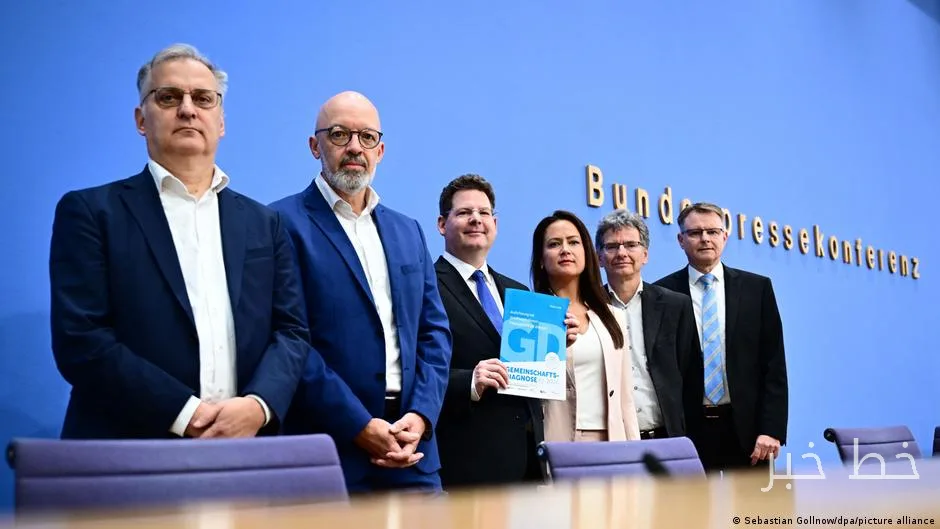
Economists attribute the main reason for this growth to the global economy. They believe that despite the war in the Gulf, Germany's economy has been unexpectedly strong. Oliver Holtemöller from the Leibniz Institute in Halle stated in a recent report in Berlin: "This situation is favorable for Germany's export sector, and global growth in the field of artificial intelligence also plays a role in this."
Read more: The Accessibility of the Hidden Engine of Europe's Economic Growth
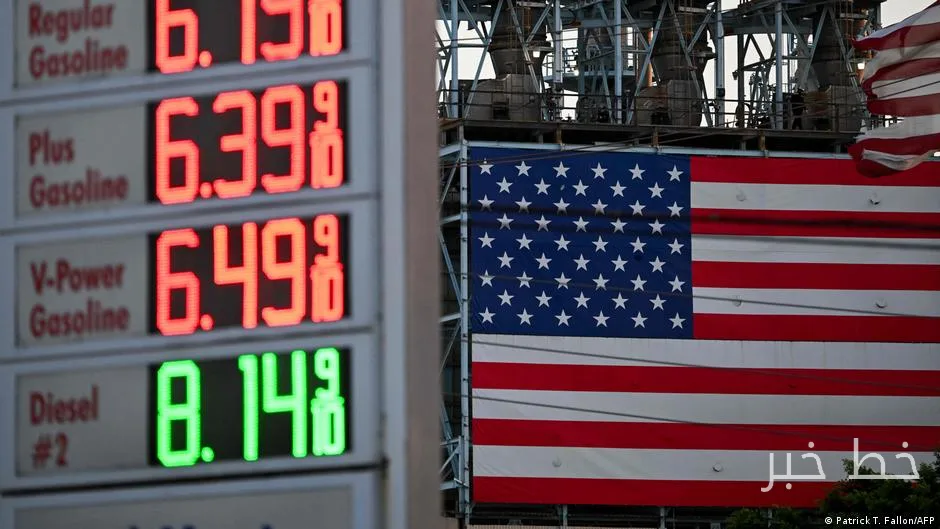
The blockage of the Strait of Hormuz has increased demand for oil and natural gas-based chemical products from German companies. Additionally, the construction of artificial intelligence data centers has also increased demand for German companies. Government investment in infrastructure and defense is also considered a significant driver of this growth.
Challenges Ahead
However, researchers believe that this growth will not be sustainable. They predict that by 2028, growth will decrease to 0.4 percent. Stephen Kooths from the IfW Institute in Kiel stated: "Growth factors will gradually weaken." High energy prices, a shortage of skilled labor, and an aging population are among the issues that slow down growth.
The federal government plays a decisive role in this situation. The coalition of the CDU/CSU and SPD parties has decided to make significant investments in modernizing infrastructure and the military. These additional expenditures help create businesses and maintain jobs, as well as strengthen investment in roads, railways, and digital networks.
Economic analysts believe that this investment has a positive impact on the economy. When consumers cut back on spending and many companies postpone their investments, the government acts as the main engine of growth. However, these expenses are financed through debt, and according to forecasts, the government budget deficit will rise from 4.1 percent of GDP this year to 4.7 percent in 2028.
Major challenges that Germany faces include an aging population and energy security. Holtemöller criticized the lack of transparency regarding the measures and reforms needed to gradually reduce fossil fuels. He emphasized that Germany needs to attract skilled labor from abroad, and failing to do so will lead to an increase in the average age of the population and high social security costs.
Read more: The National Republican Committee Chair Predicted GOP Will Dominate Congressional Seats · Decrease in Republican Support for War in Iran Following Rising Fuel Prices