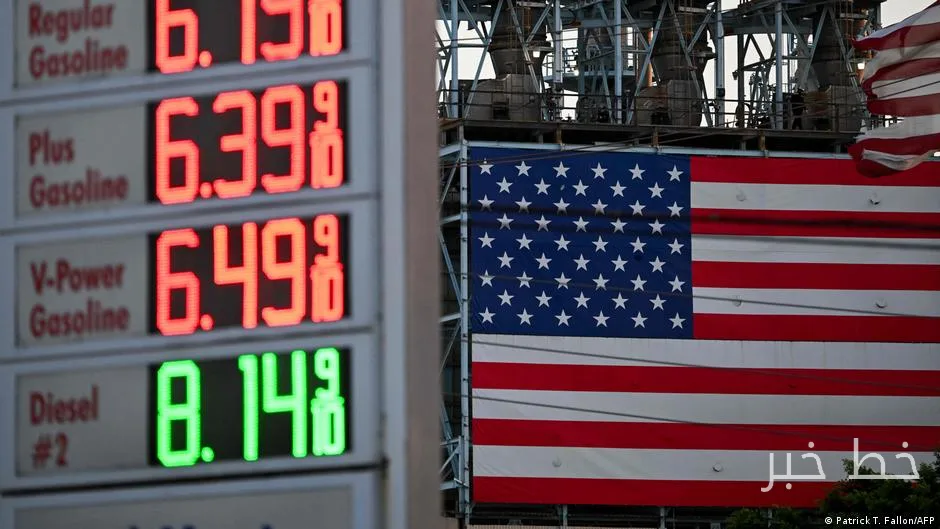
The decrease in Republican support for the war in Iran is clearly taking shape, as Republican senators are criticizing the war and its economic consequences. In particular, the rise in gasoline prices due to this war has increased public dissatisfaction, and voters are increasingly attributing these costs to the war.
Senators' Criticism and Public Dissatisfaction
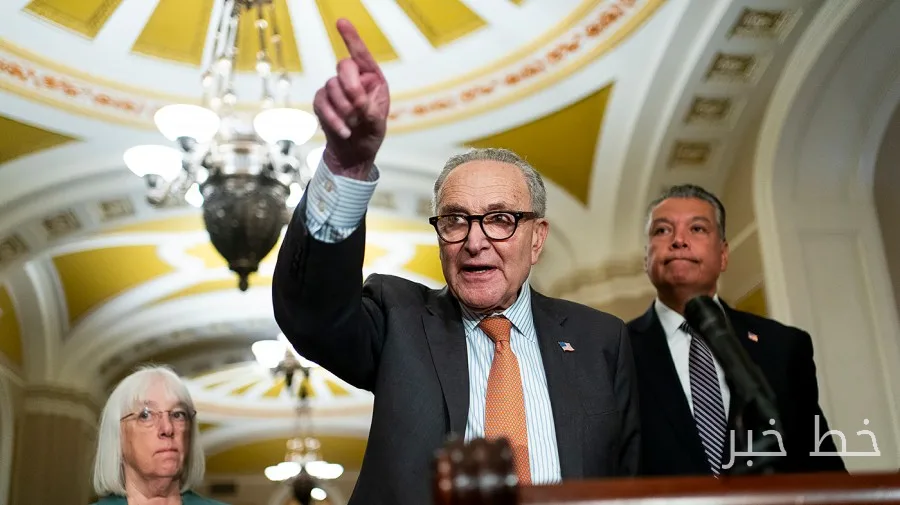
Senators like John Husted (Republican-Ohio), Dan Sullivan (Republican-Alaska), Roger Marshall (Republican-Kansas), and Pete Ricketts (Republican-Nebraska) have publicly criticized the war in Iran. This criticism comes at a time when polls show that even Republican voters are expressing their dissatisfaction due to the economic costs of the war.
Read more: Greg Stanton deemed it necessary for billionaires to pay taxes
Economic Consequences of the War
The war in Iran has continued for nearly seven months, and its costs have clearly impacted the daily lives of people. The rise in fuel prices and other essential goods has severely affected people's lives, making this one of the key issues in the upcoming elections. Many voters are looking for the main culprit behind these economic problems and consider the war in Iran as one of the primary factors.
With increasing criticism of the war and public dissatisfaction, Republicans may face serious challenges in the upcoming elections. This situation could lead to changes in party policies and electoral directions. In fact, dissatisfaction with the war and its consequences could influence political decision-making at the national level.
Ultimately, the decrease in support for the war in Iran could become a turning point in Republican politics and challenge their attitudes and electoral strategies. Voters are demanding accountability and actions that lead to improvements in the economic situation and a reduction in the cost of living.
Read more: The ban on diesel exports will have little effect on price reduction · Dissatisfaction with Trump reached its highest level in the second presidential term