The Global Gender Gap Report 2026, published by the World Economic Forum, indicates that global gender equality has come closer to 69.2%. However, the Geneva-based organization warns that achieving full equality may still take 120 years, and the progress made remains "fragile."
Gender Gap Analysis
This report, which examines gender equality in workforce participation, education, health, and policymaking across 145 economies, shows that women have now reached levels in senior government and business positions that were rare at the start of this index in 2006.
Read more: New U.S. Attacks on Iranian Oil Tankers; Is War on the Horizon?
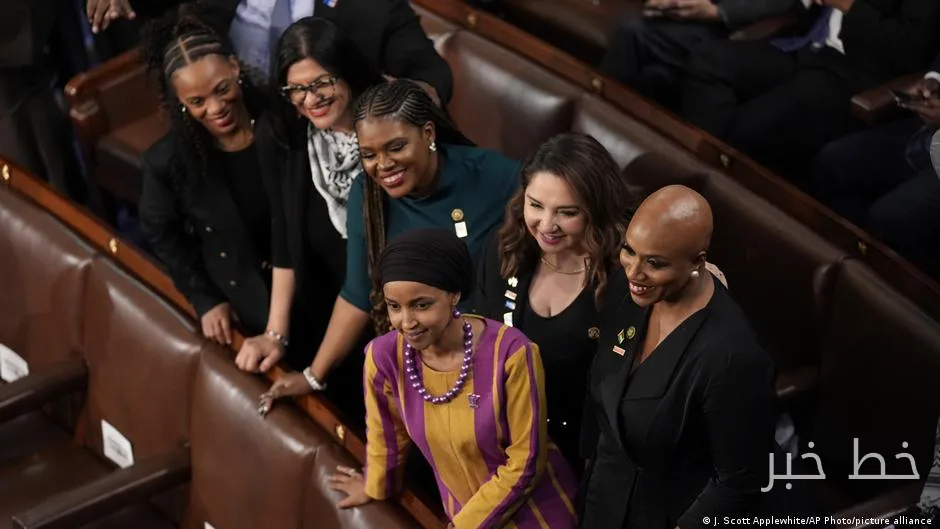
Despite the increased presence of women in politics, the upward trend over the past decade has reversed. The percentage of countries led by women peaked in 2022 and has now returned to levels seen in 2016.
Challenges Facing Gender Equality
WEF CEO Saadia Zahidi warned that while equality is fundamental for growth and competitiveness, it is not "inevitable." She stated, "To accelerate, governments and employers must learn from effective policies and implement them more quickly. A new economy requires a new approach to attracting talent."
The report also shows that women remain underrepresented in roles with significant economic and political influence. They hold less than one-fifth of CEO positions, and only one in ten ministerial roles is recognized as having high impact.
Iceland has topped the rankings for 17 consecutive years with a 93% gender gap closed, followed by Finland and Norway. The United States dropped five places to rank 47, having closed 74.9% of its gender gap.
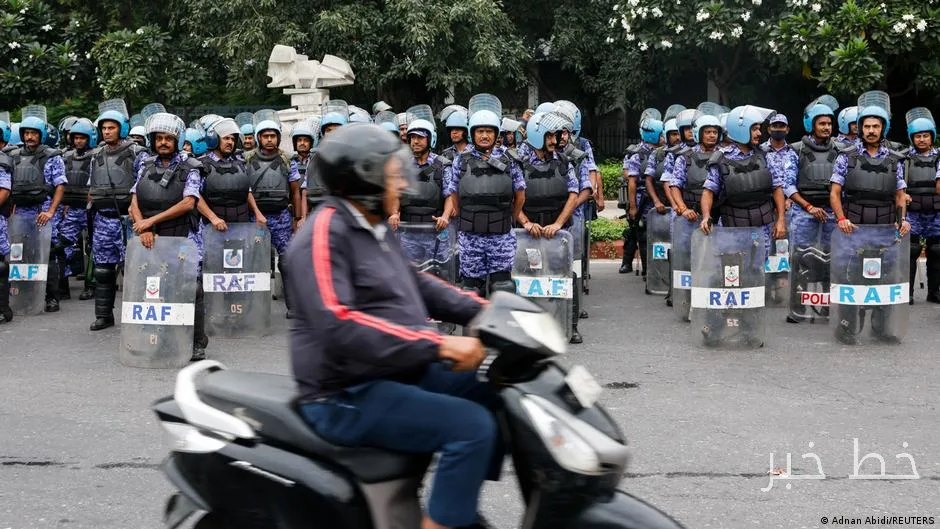
India, the world's most populous country, ranks 131 and has closed 64.5% of its gender gap. The report indicates that women's participation in the labor market in India has changed little over the past 20 years.
Read more: How a Sanctioned Chinese Tech Giant Continued to Buy U.S. AI Chips · Maria Shriver: Raise Awareness Among Women About Their Brain Health