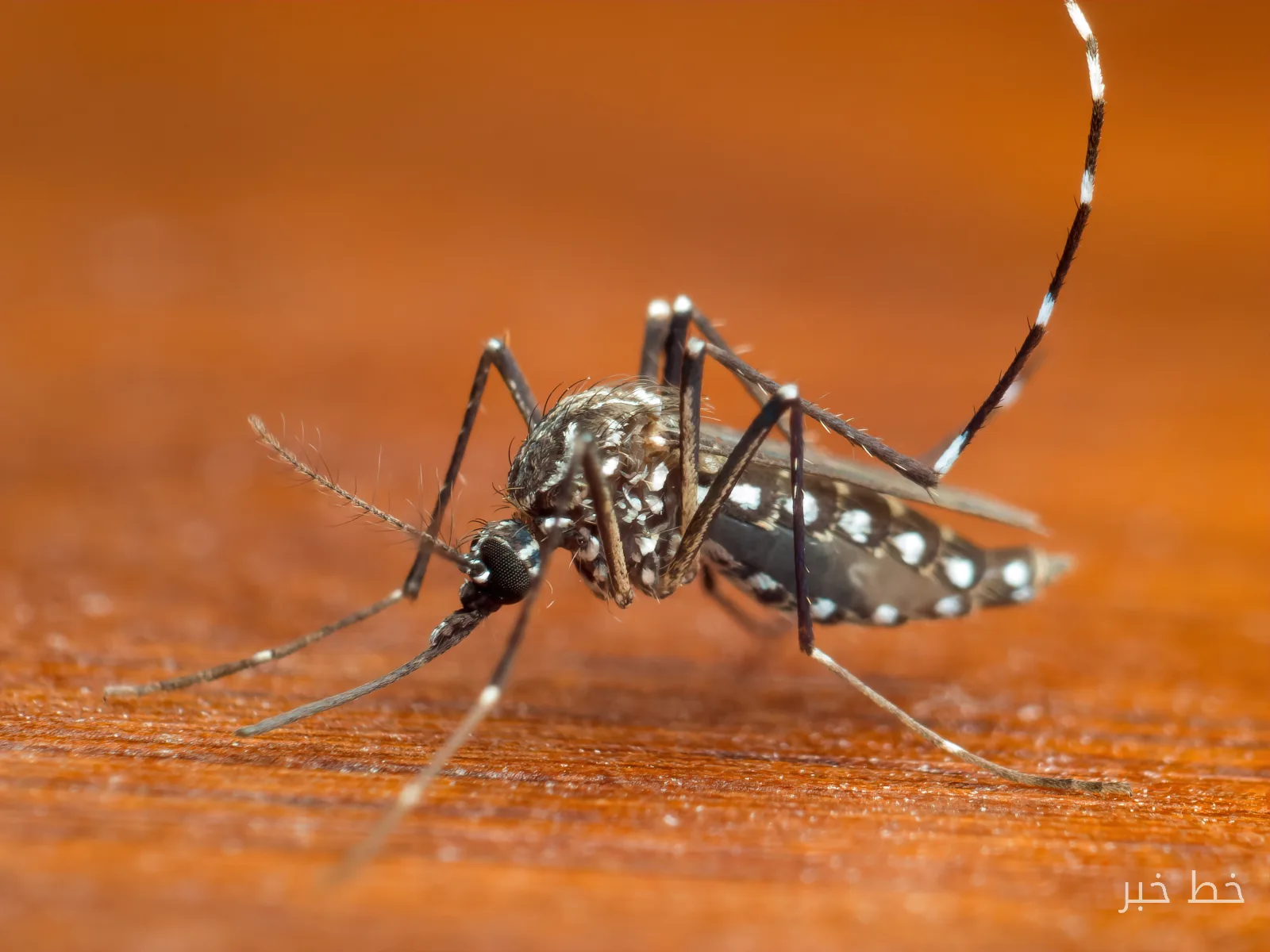
Hillsborough County in Florida, which includes the city of Tampa, has declared a state of emergency due to the rising number of dengue cases. According to reports, approximately 485 dengue cases have been recorded in the state this year. This disease, transmitted by mosquitoes, can cause serious illnesses similar to the flu, and one patient in Florida has died this year.
Dengue Outbreak in Florida
Seasonal outbreaks of dengue, which affect up to 400 million people worldwide each year, are not uncommon in Florida and are usually linked to travelers. However, this time the situation is different. Michael Johansson, an epidemiologist at Northeastern University, says: "This is the highest number of locally recorded cases in the state."
Read more: Dr. Matt Hershkowitz Explains the Cause of Mucus Persistence in the Throat
Symptoms and Complications of Dengue
Dengue, sometimes referred to as dengue fever, is caused by a group of viruses transmitted by mosquitoes, particularly Aedes aegypti. Symptoms of dengue can appear 5 to 7 days after a mosquito bite and can range from mild to severe. These symptoms may include severe body aches and fever and can last up to 10 days.
However, in areas of the United States where Aedes aegypti mosquitoes live, these mosquitoes can bite individuals infected with the disease and spread it locally. Johansson states: "The overall pattern we are seeing is the presence of travel-related cases in Florida."
In 2009, when two local infections were identified in Key West, public health monitoring showed that a significant portion of the population in that city had markers in their blood indicating recent exposure to dengue, even if they did not exhibit symptoms.
One specific feature of dengue is that the second time a person contracts the disease, it is usually much worse than the first time. This complicates efforts to vaccinate individuals against the disease.
So far, dengue has not become permanently established in the United States. There are various reasons for this. For example, many people in Florida, where Aedes aegypti mosquitoes thrive, remain in air-conditioned spaces, which typically shortens transmission chains.
There is no treatment for dengue, and only symptomatic treatments are available. The best way to protect against dengue in affected areas is to prevent mosquito bites. Ultimately, with the onset of the colder season, disease transmission is expected to decrease.
Read more: Republican Health Policies Are Being Challenged · New Poll Shows 86% of Americans Want to Reduce Maternal Mortality in Childbirth