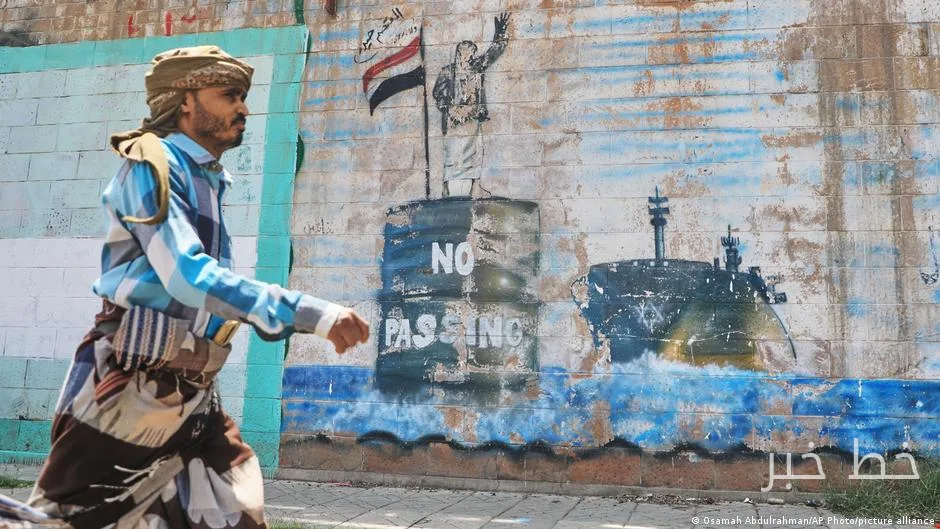
The Houthis, a militant group from Yemen, have intensified their attacks on Saudi Arabia in recent months. After a period of relative calm, they have resumed heavy attacks since July, launching missiles and drones towards the country. In one of the latest incidents, students in Saudi Arabia were barred from attending in-person classes due to security threats, but were allowed to return to school the next day.
Impact of Attacks on Saudi Economic Projects
The Houthi attacks not only threaten Saudi Arabia's internal security but also directly affect the country's economic projects introduced under the "Vision 2030" initiative. This project, led by Mohammed bin Salman, the Crown Prince of Saudi Arabia, aims to reduce the country's dependence on oil revenues. However, the lack of stability, which is one of the main pillars of this plan, has raised concerns about the future of the project.
Read more: The End of Macron's Era and the Weakness of the Right and Center in France
Saudi Arabia's Military and Diplomatic Challenges
Saudi Arabia faces numerous military challenges. The country's energy infrastructure is highly vulnerable to Houthi attacks. Recent attacks on the East-West pipeline, designed for oil transportation, highlight this vulnerability. While there are reports of the pipeline returning to operational status, these attacks have had negative impacts on oil transportation in the region.
Additionally, U.S. military support for Saudi Arabia against the Houthis has been limited due to internal challenges in the country. Analysts state that the United States is currently facing serious challenges in its military campaigns against Iran, which prevents direct engagement in a war with the Houthis.
Moreover, the Saudi-led military coalition that fought against the Houthis from 2015 to 2022 has not been able to achieve a decisive victory, indicating the limitations of Saudi military power. While the country has access to modern weapons, the Houthis can continue to threaten infrastructure and disrupt maritime transport using unconventional techniques.
Diplomatic efforts may also gain more importance in the future. While European countries like Italy and France are making efforts to ensure maritime security in the Red Sea, these initiatives alone cannot change the military equations in Yemen. Furthermore, the new defense coalition of Saudi Arabia with Pakistan and Turkey also faces limitations, as these countries are reluctant to engage directly with Iran.
Read more: Aliyehsiu Kurz Will Run in the 2028 Elections · Iran is Changing Its Sphere of Influence