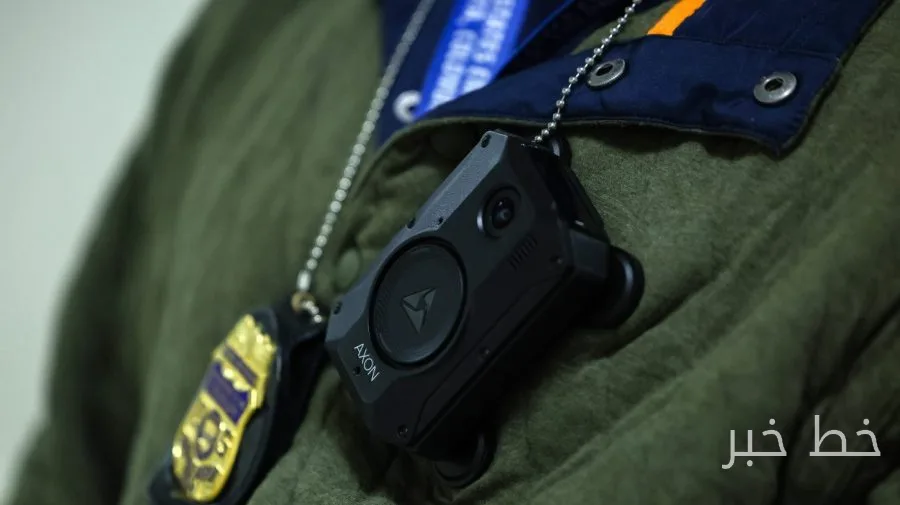
The U.S. Immigration and Customs Enforcement (ICE) responded negatively to a recommendation from a regulatory body for the use of body cameras with automatic activation when drawing a weapon. This decision was made following a report from the Government Accountability Office (GAO) that examined how body cameras are deployed by ICE.
GAO Report Review
The GAO report, published on Wednesday, analyzed ICE's performance in using body cameras after receiving historical levels of funding. The office stated that the use of body cameras could help increase transparency in the agency's enforcement activities and lead to greater public oversight of the actions of customs and immigration forces.
Read more: Holding the fifty-third meeting of representatives with Seyed Abbas Araghchi
Reasons for Rejecting the Proposal
ICE rejected the proposal for automatic activation of body cameras, citing concerns related to privacy and the potential misuse of video data. The agency stated that automatic activation could lead to inaccurate or unnecessary recordings of daily activities, which may have legal and ethical implications.
This comes as many human rights groups and regulatory bodies are calling for increased oversight of ICE's activities, believing that body cameras could serve as a tool to prevent misconduct and violence. They argue that the failure to utilize modern technologies could lead to a lack of transparency and accountability.
Consequences of This Decision
The rejection of this proposal could have significant consequences for ICE. Criticism of the agency regarding inhumane behavior and abuse of power continues, especially among immigrant communities, and the failure to use technologies like body cameras could negatively impact its credibility and performance.
In this context, ICE must seek alternative solutions to improve transparency and accountability; otherwise, it may face further criticism, particularly as governmental and non-governmental entities seek to increase oversight of the agency's enforcement activities.
Read more: U.S. Senate investigations challenge the real interests of large AI data centers · Man shot by ICE agent in New York