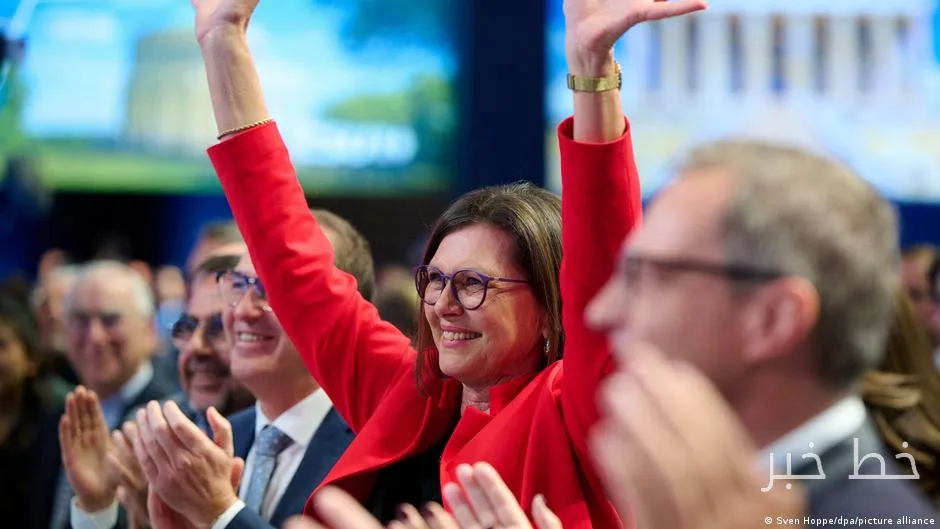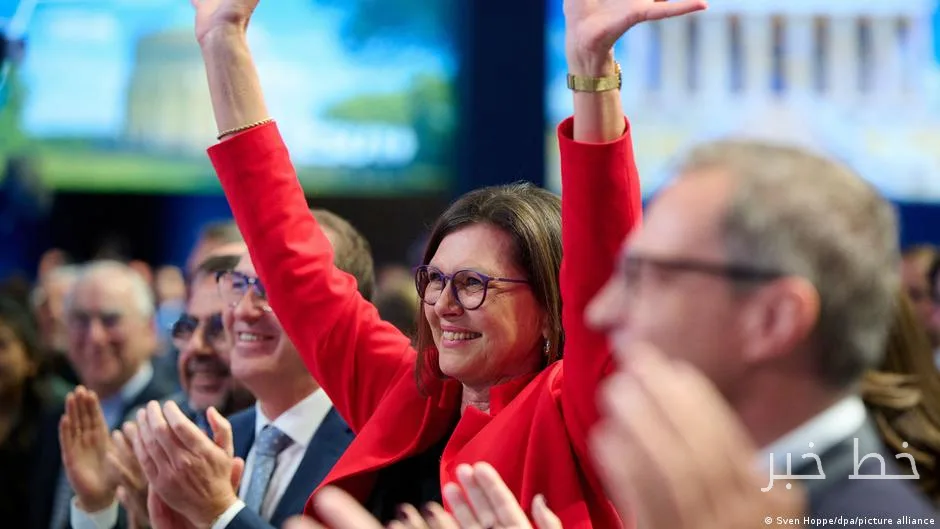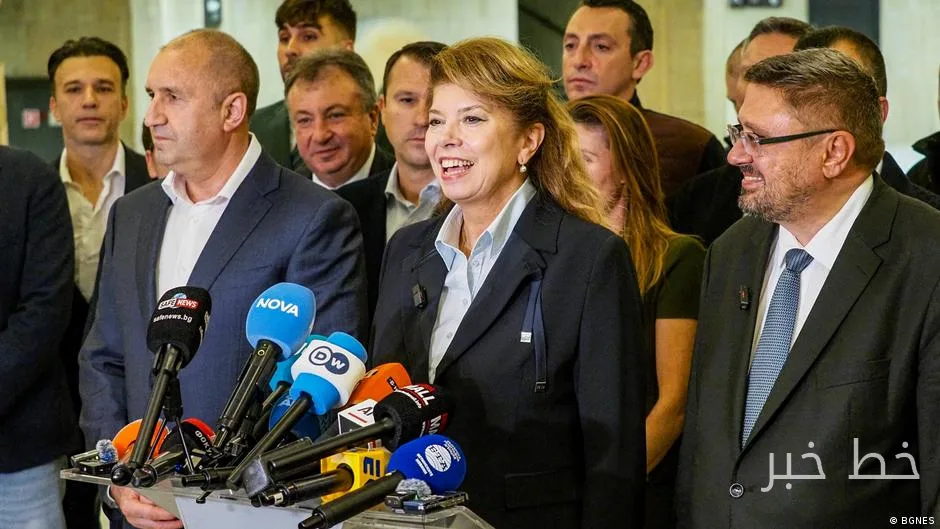
Iliyana Yotova achieved a decisive victory in the second round of the Bulgarian presidential election, securing 57.6 percent of the votes and surpassing her rival, Andrey Gyurov, who received 39.5 percent. This election had become a kind of referendum on the country's foreign policy and its stance on the war in Ukraine.
Election Background
When the Bulgarian presidential campaign began on September 25, many expected Yotova, who was leading in the polls with 44.5 percent, to win easily. Her main rival, Andrey Gyurov, was in second place with 26.1 percent and had the support of the ruling party and Prime Minister Rumen Radev.
However, in the first round, Yotova only managed to secure 34.8 percent of the votes, with Gyurov closely following at 31.95 percent, leading to a second round of elections. While Yotova won in the second round, this election reflected a divide in opinions among Bulgarian voters.
Divided Opinions and Election Campaign
Dima Tar Ganov, a sociologist and political researcher, explains that this division mainly exists between generations and geographical regions. He states, "Younger voters, aged 18 to 40, tend to lean more towards Gyurov, while those over 40 are inclined towards Yotova." Gyurov is particularly stronger in the capital, Sofia, while Yotova has an advantage in smaller towns and villages.
Yotova focused on issues such as income and peace during her campaign, presenting herself as the "President of Peace." At a campaign rally, she stated, "As long as I am President, no Bulgarian soldier will go to Ukraine." While she did not directly mention Russia, she emphasized that she did not want to see "foreign flags in Bulgaria."
Yotova also sought to attract pro-Russian voters, stating in an interview, "Russia is in no way an enemy of Bulgaria." She hopes that Russia will play a key role in the future security of Europe.
In the days leading up to the election, some of Yotova's supporters claimed that opponents were planning protests similar to the "Maidan" in Ukraine. These concerns reflect the political and social tensions in the country.