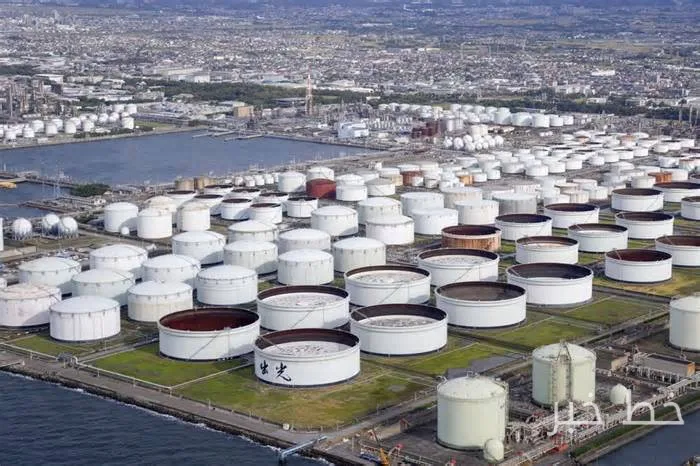
The International Energy Agency (IEA) announced that it will release another 100 million barrels of emergency oil and fuel reserves to address existing crises. This decision comes as global oil reserves are rapidly declining, raising concerns about the depletion of the world's last precautionary oil reserves.
Challenges in the Oil Market
The Strait of Hormuz, one of the most critical oil transit points in the world, has faced multiple crises in recent years. This strait, through which about one-third of the world's oil passes, has been under pressure due to political and military tensions, including security threats and sanctions. This situation has led oil-producing countries and major consumers to seek solutions to meet their needs.
Read more: G7 Calls for Immediate Release of 100 Million Barrels of Oil
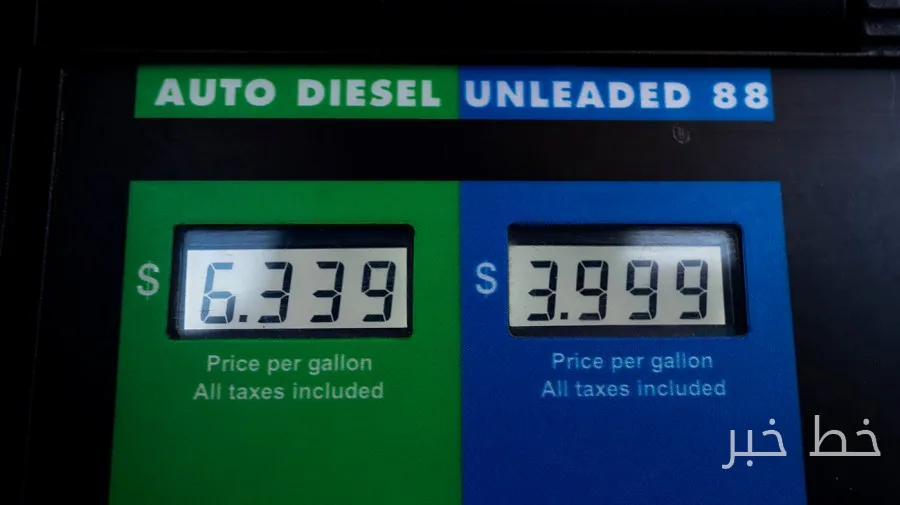
In light of these challenges, the International Energy Agency has decided to release emergency reserves. This action is aimed at preventing an increase in oil prices and meeting market needs during critical conditions. However, this decision alone cannot resolve the existing issues and requires more fundamental solutions.
Consequences of Declining Global Oil Reserves
The decline in global oil reserves could have serious consequences for the global economy. Many oil-dependent countries will be severely affected, and rising oil prices could lead to increased production costs and higher prices for goods. This issue, particularly in developing countries that are largely dependent on oil imports, could create serious economic problems.
Moreover, the reduction in oil reserves could lead to increased political and military tensions in oil-producing regions. Countries may seek new ways to secure their energy resources, which could lead to new global crises.
On the other hand, this situation could create opportunities for the development of renewable energy and reduce dependence on fossil fuels. Many countries are currently moving towards investing in clean and sustainable energy, and this crisis may accelerate this trend.
Read more: European Union countries will only release oil reserves after an assessment by the International Energy Agency · G7 Decides to Release 100 Million Barrels of Oil