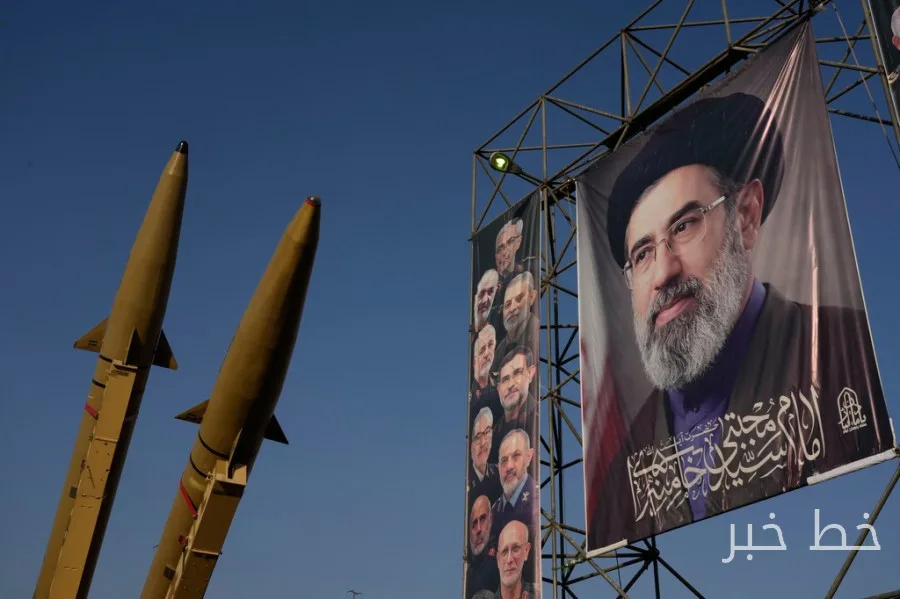
Iran has transitioned to a new model of governance that focuses more on security following the death of Ayatollah Ali Khamenei and Ali Larijani. Six months after these developments, Iran's governmental approach has moved towards an opaque system where power is managed through institutional decrees rather than centralized individual leadership.
Transition to an opaque government
These changes in the governmental structure respond in part to Iran's internal and international challenges. With the death of previous leaders, governmental institutions have gradually focused on greater control and oversight over society and the economy. These developments reflect a change in the way decisions are made and managed in the country, which now relies more on governmental institutions rather than individual leadership.
Read more: Protests against the Indian Election Commission and the call for the resignation of Jianesh Kumar
New power structure
With the increasing power of institutions, the ability of the people to understand and predict governmental decisions has diminished. Consequently, analyzing the current situation in Iran has become significantly more difficult, creating a more complex political and social environment. These changes may also have significant cultural and social consequences, where people interact more with governmental institutions rather than having a direct understanding of leadership.
Ultimately, the recent developments in Iran indicate a fundamental change in the governmental structure and the way power is exercised in the country. These changes not only impact domestic politics but may also affect Iran's relations with other countries.
Read more: Trump is concerned about Michael Watley's electoral chances in North Carolina · A dual-national citizen was released in England due to a terrorist threat