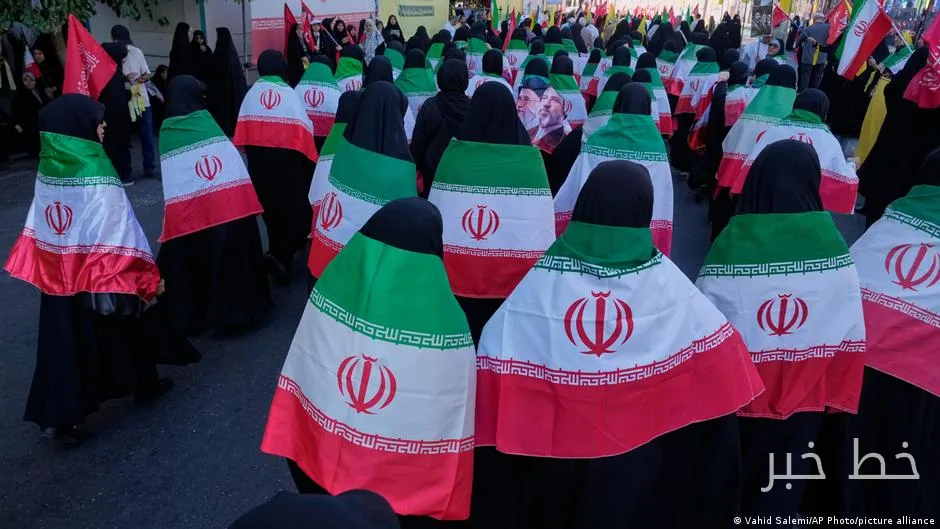
Iranian officials are looking for new methods to enforce hijab laws as the number of women appearing in public without hijab increases. These changes stem from the protests of 2022 and a decrease in 'morality police' patrols. Despite the reduction in street patrols, the obligation of hijab remains in place.
Efforts to Maintain Hijab Laws
Gholamhossein Mohseni Eje'i, the head of Iran's judiciary, has recently called for action against what he describes as 'social disorder.' He has urged prosecutors to cooperate with the police and intelligence agencies. Meanwhile, supporters of hijab laws have launched online campaigns encouraging people to avoid shopping from businesses owned by women without hijab.
Read more: Request to Extend Temporary Protected Status for Salvadorans
Social Division and Economic Pressure
These campaigns are known as 'conscious shopping' and encourage consumers to support vendors who wear hijab. A female lawyer in Tehran points out that these campaigns could lead to increased social divisions and harm social norms. She states, 'This is a deliberate effort to categorize individuals based on identity and pit them against each other.'
According to her, the economic pressure on individuals who are targeted due to their appearance goes beyond individual choice in shopping. She also notes that for the government, exerting economic pressure is viewed as 'supporting values.'
Impact on Daily Services
There are reports from Iranian women indicating that the enforcement of hijab laws has extended to daily services, with some women being denied access to clinics and banks for not adhering to hijab. Shirin Shams, a political activist and director of the Women's Revolution Organization, says, 'The Islamic Republic has long tried to divide women based on their attire.'
She believes that recent campaigns are an attempt to revive social divisions that were weakened during the 'Women, Life, Freedom' protests. These divisions affect not only attire but also the social identity of women.
Saeed Peyvandi, a university professor, states that this conflict represents a broader struggle over social control, and the government has once again turned women's bodies into a social, moral, and security issue. He warns that linking religion to humiliation and coercion could alienate the younger generation from religious institutions.
Read more: AfD Introduced as the Strongest Party in the Saxony-Anhalt Assembly · Two Iranian Citizens Arrested on Charges of Terrorist Plot Against the Jewish Community in Britain