The Central Election Committee (CEC) of Israel has recently decided to ban all Arab parties from participating in the elections. This action, which comes less than a month before the Israeli elections, has sparked serious discussions about the relationship between security, national identity, and democratic representation in the country.
Discrimination in Political Representation
If these bans remain in place during the elections scheduled for October 27, Arab citizens of Israel, who make up about one-fifth of the country's population, will face a lack of representation in the Knesset (Israeli parliament). However, this decision is not final, and the Supreme Court may overturn it in the coming days.
Read more: Iran Denies Involvement in Suspicious Plot Against U.S. Airbase in England
Affected Parties and Reactions
Probably the most significant party banned from participating in the elections is Ra'am (United Arab List). This party currently holds five seats in the 120-seat Knesset and has Islamic and conservative positions. Earlier this year, the party announced that it would allow Jewish candidates to compete for its nomination.
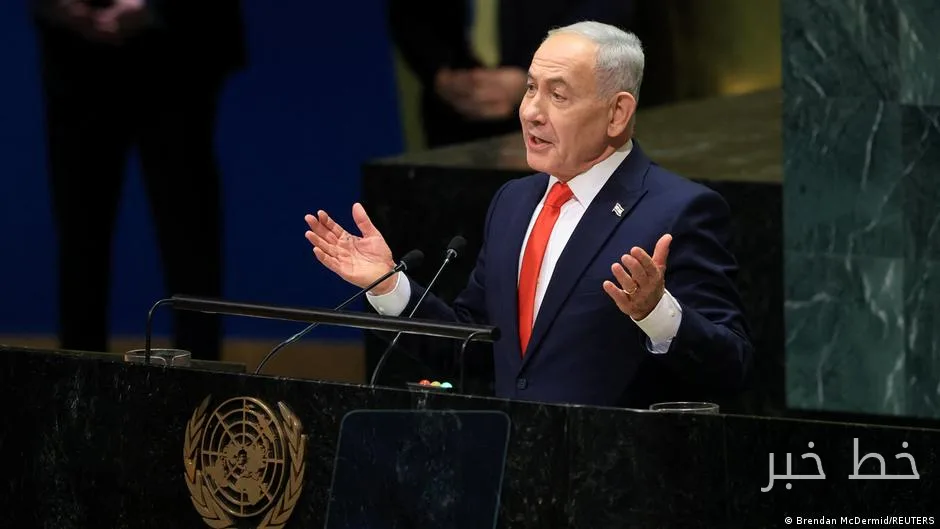
In this context, the legal group Adalah has announced that it will appeal the CEC's decision on behalf of these parties. Additionally, right-wing parties such as Likud, led by Benjamin Netanyahu, and Otzma Yehudit have begun gathering signatures to ban these parties.
Political and Social Discussions
Supporters of these bans argue that some leaders of Arab parties have made statements or engaged in behaviors that legally exceed acceptable boundaries. They have pointed to alleged connections between organizations associated with Ra'am and groups like Hamas.
In response, Ra'am claims that the accusers have failed to provide strong and convincing evidence. The party cites its condemnation of the October 7 attacks and Mansour Abbas's efforts to support Israeli hostages as evidence of its non-support for terrorism.
Ultimately, this decision has faced severe criticism from the media and moderate politicians. Some believe that the removal of political representatives for Arab citizens, who make up about one-fifth of Israel's population, poses a threat to democracy.
Read more: Student Protests in France Intensify Over School Conditions · Louisiana Looking to Imitate Alabama's Nitrogen Execution