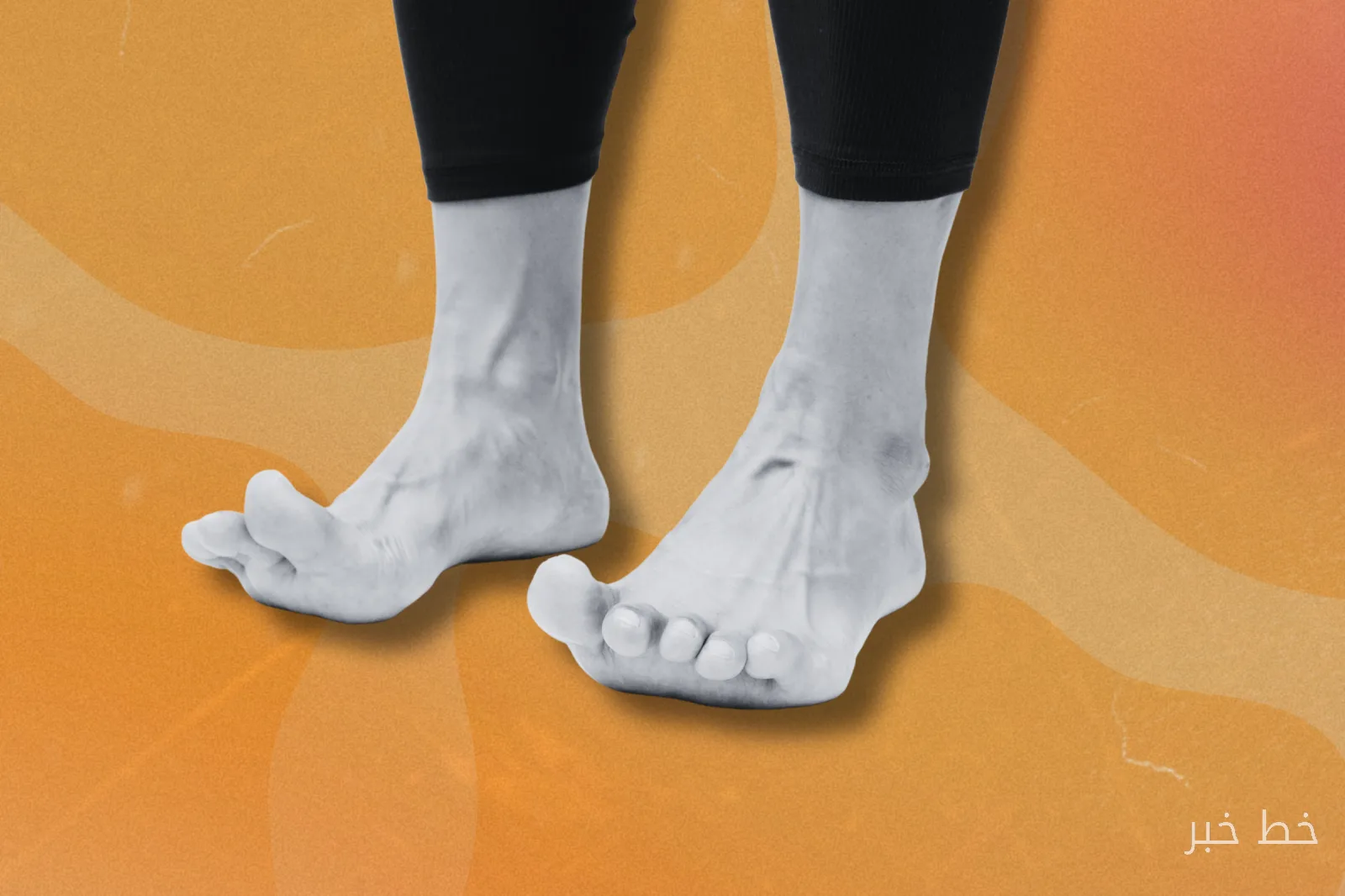
Joseph Haribik, a physical therapist and clinical professor at the University of Lebanon Valley in Pennsylvania, recommends the toe raise exercise as an effective strategy for strengthening the calf muscles and preventing falls. This exercise is simple to perform and can be done anywhere at any time.
How to Perform the Toe Raise Exercise
To perform this exercise, you should first keep your heels on the ground while raising the front of your feet. Haribik reminds his patients to bring their toes towards their nose, although this does not require flexibility and the toes do not need to come close to the face. This movement helps strengthen the muscles in the front of the calf while also preventing the risk of falling.
Read more: The Shift of Mental Health Services from Institutions to Communities is Essential
Benefits of the Toe Raise Exercise
According to Haribik, every time we take a step, we need to lift our toes off the ground. Inability to do so can lead to toes getting caught on carpets or when passing through doorways. The toe raise exercise helps strengthen the tibialis anterior muscle, which is located at the front of the calf. This muscle plays an important role in lifting the foot while walking and controlling it after the heel makes contact with the ground.
Compared to calf exercises where the heels are raised, the toe raise exercise pays more attention to the other part of the calf. Daniel Safford, a physical therapy professor at Arcadia University in Pennsylvania, suggests that both types of exercises help strengthen the lower body muscles, and performing both exercises can be beneficial.
Although adding the toe raise exercise to your workout routine can help improve balance and walking, there is still not enough research to prove its impact on running speed or fall prevention. Therefore, this exercise is considered a useful supplement alongside other exercises.
The toe raise exercise can be performed while sitting or standing. If your balance is not as good as it used to be, it is better to use a chair. Place your foot on the ground and raise the front of your feet while keeping your heels on the ground. During this exercise, it is important that the balls of your feet come up along with your toes, and simply moving your toes is not enough. For this movement, allocate one to two seconds to lift, a moment to pause, and then two to three seconds to lower.
To create more challenge, you can perform this exercise while standing. In this position, your feet must bear your body weight, and maintaining balance requires more effort. Be sure to lean on a sturdy counter. Raise both feet simultaneously. Although you may shift a bit of weight to your heels, you should not lean all your weight back to lift your feet off the ground. Raise your feet as high as you are comfortable; even if your feet move slightly, the muscles are still working.
You can perform this exercise with shoes or barefoot. In the barefoot position, you may see the muscle movements in your feet better. Safford notes that tendons may become visible during the lift, similar to the tendons on the back of the hand.
Start a few days a week with five to ten repetitions. This exercise may seem easy, but after trying it once, you may feel more fatigue than you expect. As your calves get used to this exercise, you can increase the number of repetitions and gradually reach 20 repetitions on most days of the week. But give yourself time and aim to reach this goal over a few months. If you experience severe pain or have trouble lifting your foot or toes, it is best to consult a doctor.
Read more: Supporters of the 'Make America Healthy Again' Program are Disappointed with Republicans · People's Feet Get Bigger with Age