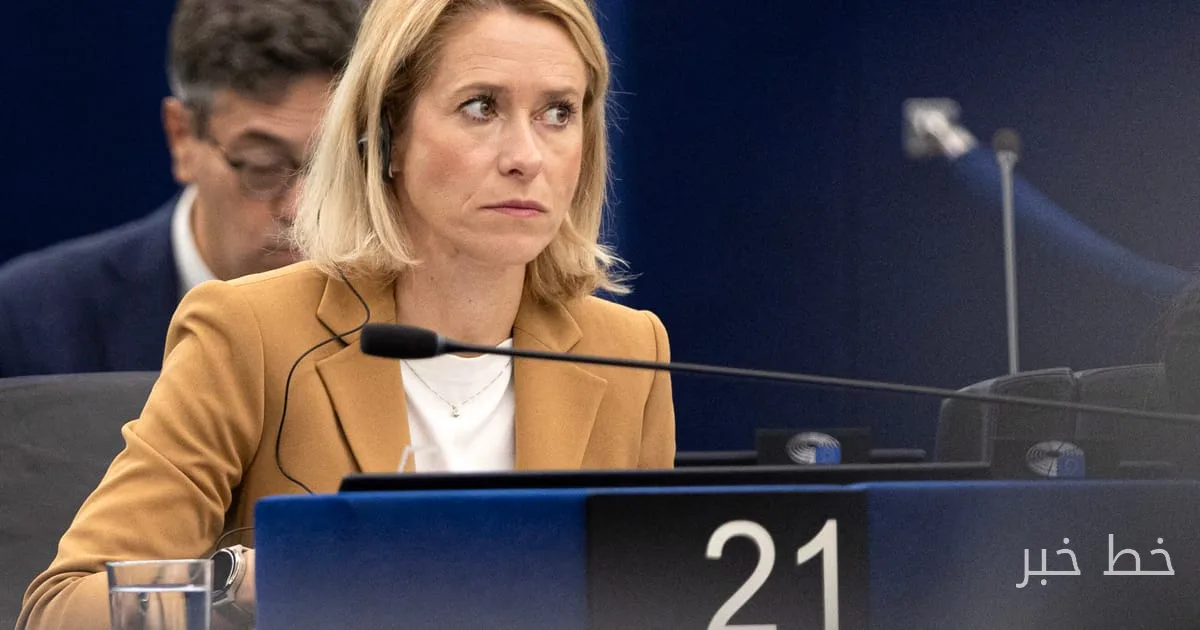
Kaja Klas, the EU's senior diplomat, announced that Brussels will take time in the coming months "to open a dialogue" on how to counter US sanctions against the International Criminal Court (ICC). This move comes in response to requests from Members of the European Parliament for quicker action.
Pressure from Members of the European Parliament
Nearly 60 Members of the European Parliament from various parties have called for swift intervention from the European Commission after the White House announced extensive sanctions against the court based in The Hague earlier this month. They are calling for the activation of a legal shield known as the "Blocking Statute," which prevents EU companies from complying with US sanctions.
Klas stated in this regard: "We must keep all options on the table. If we use the Blocking Statute, we have one chance, and it must be done well. Therefore, we need to prepare thoroughly." She urged companies to avoid over-compliance with the sanctions.
Analyzing legal implications and opportunities for dialogue
Several representatives continued to press for a quicker response during a public session in Strasbourg. However, while Klas acknowledged their requests, she stated that the European Commission needs time "to analyze all legal implications, initiate dialogue, and seek solutions." These sanctions are expected to be implemented after a 180-day delay from October 9.
The administration of US President Donald Trump previously targeted both a judge and the chief prosecutor of the court, cutting them off from all American service providers, including banking services.
Simon Coveney, Ireland's Minister for European Affairs, who represents Dublin's presidency in the EU Council, told representatives that the delay in sanctions "provides an opportunity for dialogue that we must take advantage of while being prepared to take all necessary actions." These points were made in a statement issued last week following a gathering of EU leaders.
Washington is openly attempting to dismantle the International Criminal Court "brick by brick" and is encouraging other countries to withdraw from the court's founding charter. Klas stated that "the decisions of Niger, Mali, Burkina Faso, Chad, and Venezuela to reject or even withdraw from the court could undermine the foundations of global justice."
She added: "The International Criminal Court is under attack at a time when we need it most." Klas referred to the court's investigations into Russia's war crimes in Ukraine and stated that the EU will continue to work with its partners to strengthen the court. She warned countries that are under US pressure to leave this institution: "This will also have clear consequences for their relations with the EU."
Klas also stated: "The EU has practical tools to do more" and added that she will travel to The Hague this week.