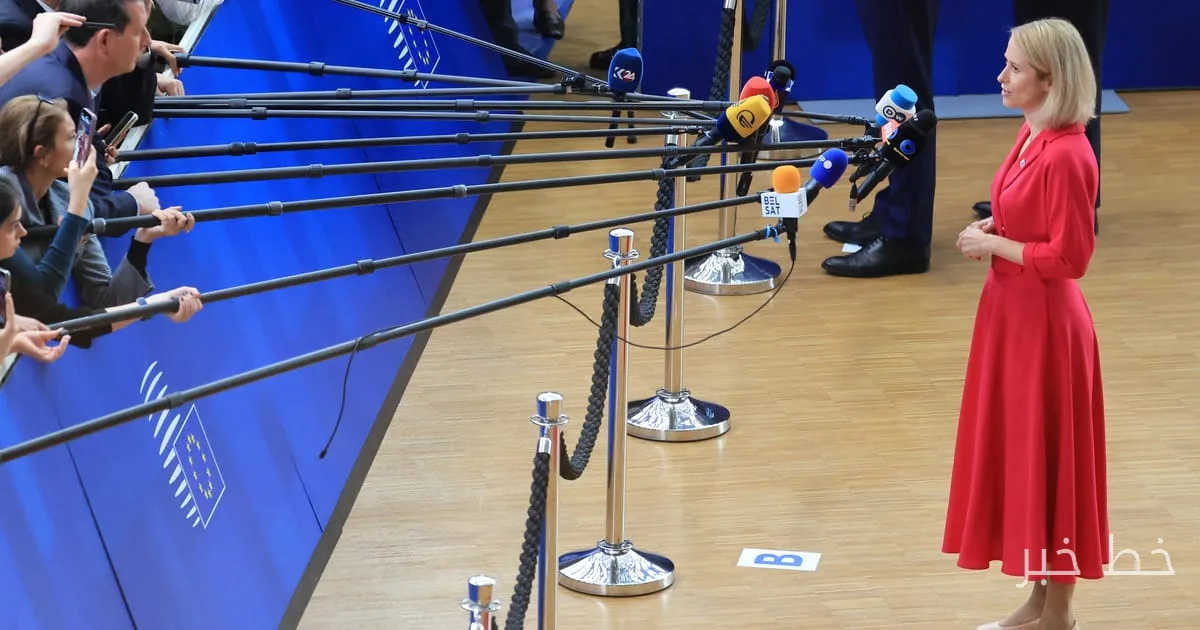
Kaja Klaus is trying to find a role for herself in the Ukraine peace negotiations, while being sidelined from the European representation team in these talks. This senior EU diplomat has repeatedly emphasized that according to EU treaties, she is the chief foreign policy official of this bloc and plays a role in behind-the-scenes efforts to define the mission of negotiators.
Criticism of Absence from the Negotiating Team
Klaus, in response to a question about her absence from the negotiating team, said: "Consider the treaties and read them. Who deals with security and foreign policy?" She pointed out that despite her absence from the negotiations, she is still ready to engage in this area.
Read more: Hungary Eases Abortion Laws
Composition of the Negotiating Team and Criticisms
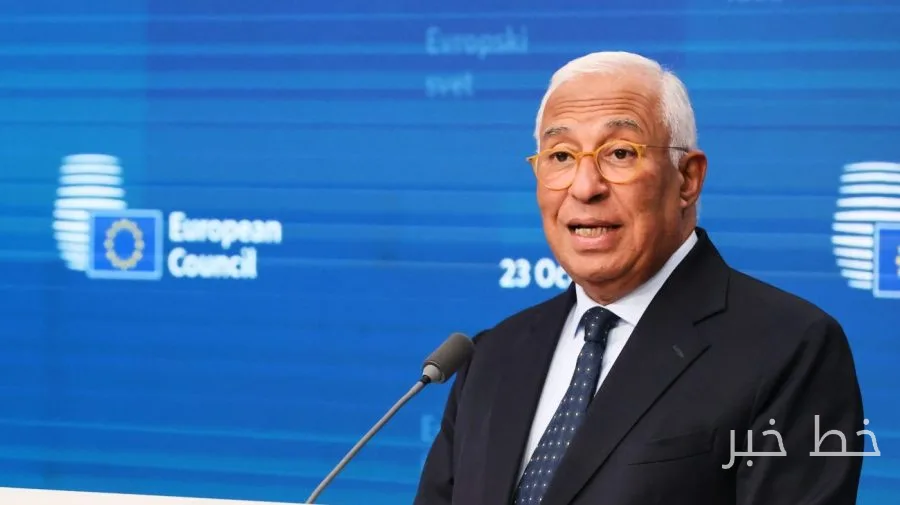
The negotiating team announced by Antonio Costa, President of the European Council in Dublin, includes national security advisors from France, Germany, Poland, Italy, and the UK, as well as representatives from the Commission and the European Council. Klaus is not included in this composition. Some EU diplomats have pointed to Klaus's criticisms of the Donald Trump administration as one of the reasons for her absence from this team.
One national official involved in negotiations with Russia stated that Klaus cannot participate in these talks due to creating significant disagreements. At the same time, two EU diplomats said that this choice reflects a diminishing role of foreign policy officials in global affairs.
Klaus's Concerns and EU Foreign Ministers
After the meeting of foreign ministers in Brussels, Klaus announced that representatives from the 27 EU capitals wish to have a more direct role in the Ukraine negotiations. She said: "What many member countries expressed is that they do not want to be merely reported to on these issues. They want to participate in these negotiations."
In the coming weeks, foreign ministers will work to formulate maximum demands and prepare a document to set the conditions for negotiations. However, some officials say that this responsibility will likely be entrusted to EU ambassadors rather than foreign ministers, indicating tensions between EU institutions regarding control over foreign policy.
Alongside leadership on the Ukraine issue, Ursula von der Leyen's Commission has also taken major control over the EU's relations with Israel, which further fuels concerns about the coherence and control of foreign policy within the Union.