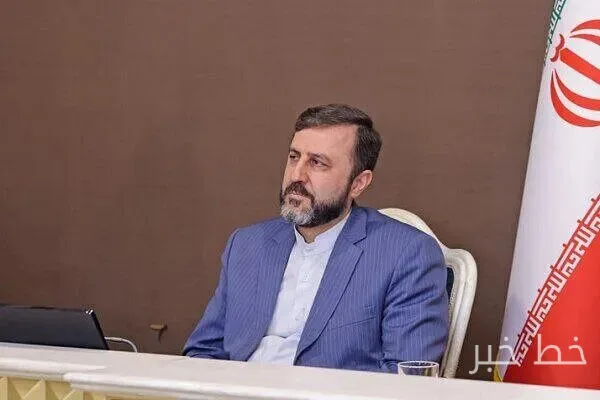
Kazem Gharibabadi, Deputy for Legal and International Affairs of the Foreign Minister, emphasized food security as one of the main pillars of national security of countries during the World Food Day ceremony at the Research, Education, and Promotion Organization of the Ministry of Jihad Agriculture. He pointed out that the broad concept of food security is not limited to access to food and must include sustainable, sufficient, healthy, and affordable access to suitable food for all people.
The Impact of Global Crises on Food Security
Gharibabadi referred to the impact of geopolitical crises, wars, climate change, and drought on the food security of nations and stated: "In the current conditions, agriculture is recognized as one of the main foundations of security, independence, development, and stability of countries." He emphasized that agricultural diplomacy can provide a high capacity for developing international cooperation, reducing tensions, and creating sustainable links among nations.
Read more: Early end of daylight saving time this year
The Deputy Foreign Minister stated that Iran is ready to develop agricultural cooperation with countries in the region and the world, pointing to the unique capacities of the Islamic Republic of Iran in the agricultural sector. He stated: "Climate diversity, agricultural knowledge and experience, specialized human resources, and strategic geographical location provide significant capacities for developing international cooperation for Iran."
The Necessity of Regional Cooperation and Water Resource Management
Gharibabadi also emphasized the necessity of regional cooperation in sustainable water resource management and agricultural adaptation to climate change. He said: "Developing water-saving production methods and increasing water productivity are important areas for scientific and technical cooperation." He also pointed to the common challenges of Iran and regional countries regarding water scarcity and drought and emphasized the need for knowledge and technology exchange in this regard.
The Deputy Foreign Minister, in another part of his speech, referred to the consequences of war and unilateral sanctions on food security and stated: "Wars and sanctions can exert additional pressure on the agricultural sector and the food supply chain." He emphasized that food, water, and medicine should not become tools of political pressure and that food security should not be sacrificed for war or unilateral sanctions.
Gharibabadi proposed five axes for developing international cooperation in the agricultural sector and emphasized the important role of international organizations, especially the Food and Agriculture Organization of the United Nations (FAO), in enhancing global and regional cooperation. These axes include developing scientific and technological cooperation, strengthening agricultural product trade, expanding joint investments, developing educational and research cooperation, and strengthening regional cooperation for managing food crises.
In conclusion, the Deputy Foreign Minister stated that agricultural diplomacy can help reduce gaps and strengthen relations among countries, saying: "The Islamic Republic of Iran is ready to expand its agricultural cooperation with various countries within the framework of mutual interests and respect for international rights."
Read more: The G20 Foreign Ministers' meeting will be held in Atlanta · Bayer won in court over cancer caused by Roundup herbicide