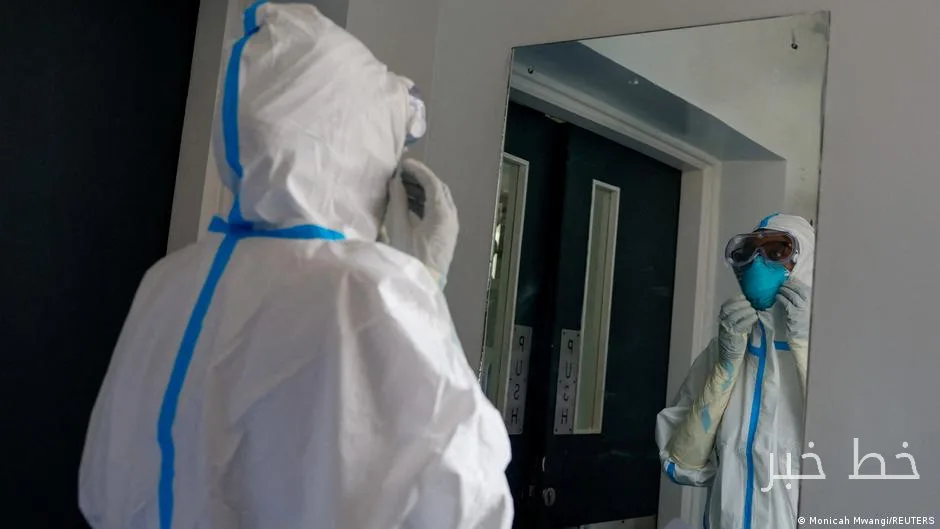
Kenya is rapidly working to control an Ebola outbreak linked to the deadliest recorded outbreak in the Democratic Republic of the Congo (DRC). The country has reported two cases and one death from Ebola so far. The first Ebola patient died on October 5 at a Nairobi hospital. This 40-year-old man had recently traveled from the Democratic Republic of the Congo to Uganda and flew to Nairobi on October 3.
Details of the Outbreak and Kenya's Actions
One of the patient's relatives has also contracted the virus and has shown symptoms of the disease while in quarantine since October 13. The Kenyan Ministry of Health has stated that both cases are linked and there is no evidence of an outbreak in the wider community. Of the 128 people who came into contact with the first patient, 113 have been identified, and all but five, who are in unspecified countries abroad, are in quarantine.
Read more: Sixth Measles Death Reported in Pennsylvania
Public concern is rising, with people worried about quarantine and economic disruptions, expressing skepticism about the government's preparedness in this regard. A Nairobi resident said, "This is a very dangerous disease, so it is very shocking." Another citizen expressed disappointment with the government's readiness, stating, "It seems that the government was unaware of this issue. I think the government was not prepared, especially at the entry point of this individual who had Ebola."
Education and Public Awareness
One woman expressed that she feels public information about the disease is insufficient. She said, "The government needs to do more in terms of education and awareness about this disease and increase awareness." The Kenyan Ministry of Health, through Cabinet Secretary Aden Duale, is working to alleviate concerns and urging Kenyans to remain vigilant and seek medical attention at the nearest health center if they experience any symptoms of the disease. According to the World Health Organization (WHO), symptoms can appear between 2 to 21 days after infection.
Initial symptoms include fever, fatigue, malaise, muscle pain, headache, and sore throat. In later stages, the patient may experience vomiting, diarrhea, abdominal pain, and infections of the kidneys and liver. However, these symptoms may be similar to other diseases such as malaria or typhoid, and only an Ebola test can confirm whether an individual is infected with the virus.
Several prominent figures, medical unions, and opposition politicians have criticized Kenya's response to the first Ebola cases. David Maraga, former Chief Justice who has declared his candidacy for the 2027 presidential election, questioned how an Ebola virus carrier was able to pass through screening at Jomo Kenyatta International Airport in Nairobi.
Maraga said, "We do not know how many others have been infected. We must demand appropriate action to prevent fatalities from this disease." Kazungu Kambi, Deputy President of Kenya from 2008 to 2013, also pointed out that doctors at the Nairobi hospital, not border systems, identified the risk.
Dr. Dennis Misikla, from the Kenya Union of Doctors, Pharmacists, and Dentists, believes that the Ebola cases indicate that Kenya's health system is not prepared to handle a pandemic. He said, "This system is still not resilient. This system did not learn from the COVID pandemic we had a few years ago."
Kenya has been on high alert since the Ebola outbreak was declared in the Democratic Republic of the Congo in May. The government has designated several hospitals as quarantine centers and has also increased screening at airports and border points.
Read more: 43% of Americans Support the Idea of Medicare for All · First Case of Ebola Confirmed in Kenya