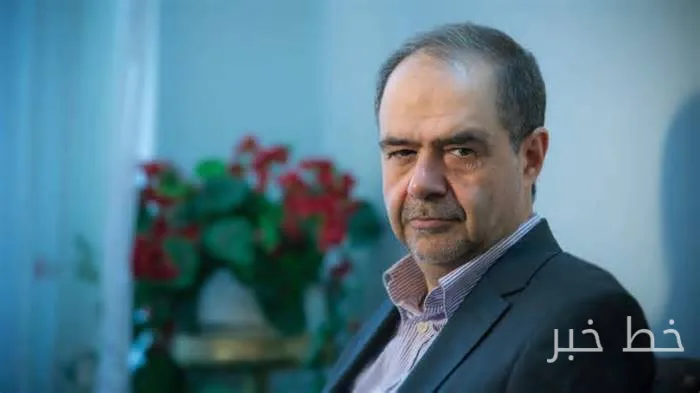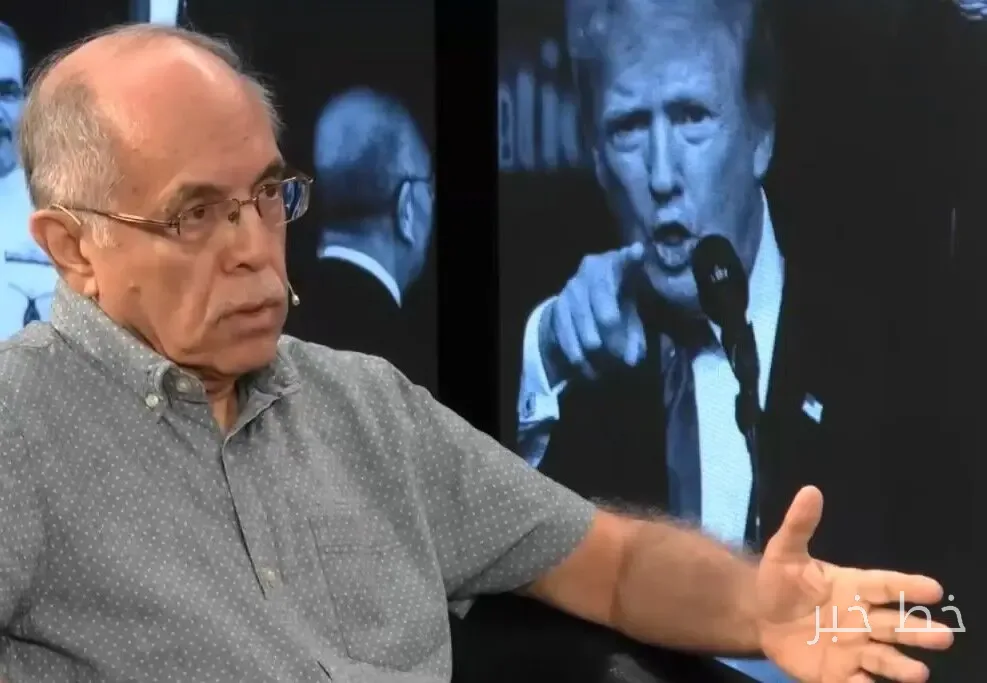
Koroush Ahmadi, our country's former diplomat at the United Nations, commented on the military posture in the region following Washington's movements: Since the news of the deployment of the third U.S. aircraft carrier group from the shores of the country to the region, Washington's military activities have garnered attention. Additionally, an amphibious force capable of landing troops onshore and conducting ground operations is being dispatched to the area.
He added: The number of troops accompanying these two groups is estimated to be around 9,000. According to this senior international affairs analyst, another development is the deployment of two Patriot air defense systems to Qatar and Saudi Arabia, which are intended to counter Iranian missiles in the event of a third war.
Read more: Trump's Media Ban Retrial in Federal Court
Visits by Military and Political Officials
Alongside these movements, the Chief of Staff of the Israeli Army recently visited the U.S. to gather information on the military dimensions of developments and potential actions. Last week, Benjamin Netanyahu also traveled to Abu Dhabi. Furthermore, around September 10, U.S. and Israeli military commanders, along with military leaders from seven Arab countries, held a meeting in Germany. All these military movements, statements, and threats from the former U.S. President during the United Nations General Assembly are signs that should be taken into consideration.
However, Ahmadi believes that these developments do not necessarily mean a third war is imminent. He explained: "The threats and military posture may have been aimed at creating deterrence, especially since Iran has also spoken about the possibility of preemptive action. On the other hand, the U.S. may be using these movements to strengthen its bargaining power in negotiations and steer the process towards its demands.
Possible Scenarios
Ahmadi continued: "In addition to the scenario of war, another scenario is also on the table; the continuation of the current situation, that is, maritime blockade and increased economic pressure on Iran. The U.S. may want to increase pressure on Tehran over the next two to three months by maintaining this situation and compel it to accept Washington's desired concessions."
He added: "This scenario has also been one of the options discussed in the past two to three months. Meanwhile, the views of Arab countries and other regional nations are not uniform. Some support war and what they call 'finishing the job'; conversely, others prefer to maintain the maritime blockade and economic pressure to pursue their goals without entering a new and costly war.
In another part of his remarks regarding the impact of U.S. and Israeli elections on regional developments, he stated: "In my opinion, a significant portion of the impact of the U.S. elections on tensions between Tehran and Washington has already occurred. From now on, even if other developments arise in the course of war and negotiation, they may not necessarily lead to a major and meaningful change in the U.S. elections.
He emphasized: "In the U.S., generally, public opinion does not place much importance on foreign policy, and people usually do not pay much attention to this area unless a major crisis occurs abroad, especially in the form of a war with high casualties.
Possibility of New Fronts
Ahmadi also discussed the likelihood of a new front against the United States being activated if confrontations between Tehran and Washington resume by the resistance axis: "If another large-scale war occurs between Iran and the U.S., it remains to be seen whether the Houthis will stay out of the conflict as they did in the past two wars or if they will enter the war this time." He added: "If Iran is targeted again, the likelihood of Hashd al-Shaabi and Hezbollah entering the conflict increases.
In his view, the Houthis largely pursue their independent policy, and it remains to be seen whether they will enter the conflicts if war breaks out.
Read more: Arlington City Sued Trump Over Victory Arch Construction · Ismail Baqai Announced Iran's Response to U.S. Proposals Through Mediators