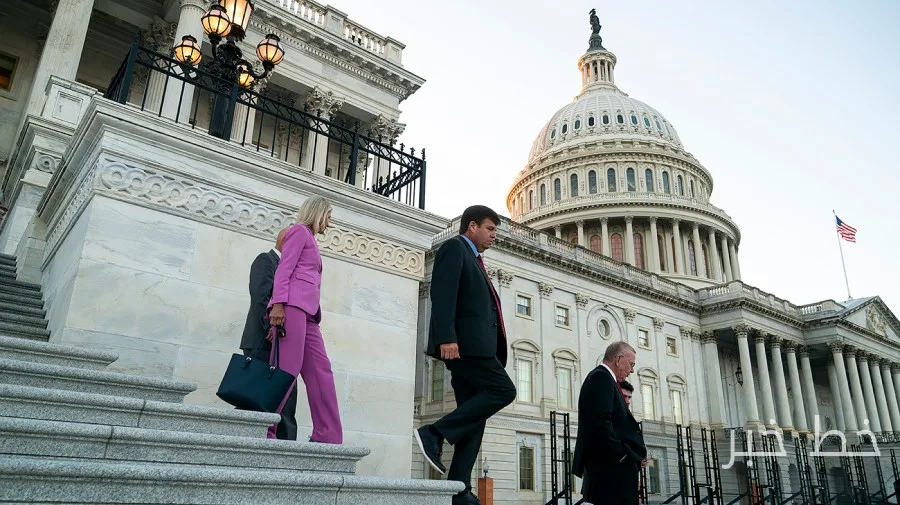
Lame duck lawmakers in the United States House of Representatives, as they approach the end of their term, have taken bold and unexpected actions to challenge the leadership of the Republican Party. These representatives, who will soon step down, are attempting to showcase their influence in the final days of their presence in Congress through controversial votes and support for opposing legislative proposals.
Bold Actions Ahead of Elections
In recent weeks, some of these representatives have engaged in bold actions by voting on unlikely impeachments and formally requesting the advancement of legislative proposals. These moves have not only drawn media attention but have also incited anger and concern among Republican leadership. These representatives have pushed all conventional boundaries with the aim of challenging their party leadership and influencing legislative processes.
Read more: Increase in Organized Crime and Drug-Related Deaths in Germany
Support for Opposing Legislative Proposals
In addition to controversial votes, some of these lame duck lawmakers have unexpectedly joined the opposing party and collaborated to pass legislative proposals in favor of the Democrats. This action, which can be seen as disregarding their party leadership, reflects deep divisions within the Republican Party. By doing so, these representatives are trying to demonstrate that they prioritize their personal and political interests over loyalty to the party.
As the midterm elections approach, these movements could have significant implications for the political future of the Republican Party. While some of these representatives seek to instigate changes in party policies and approaches, others are concerned that these actions could weaken the party's standing in upcoming elections.
Overall, the actions of lame duck lawmakers in Congress highlight the internal challenges of the Republican Party and may impact the outcomes of the midterm elections. These movements clearly illustrate the existing disagreements and tensions among party members and could influence future legislative and political processes.