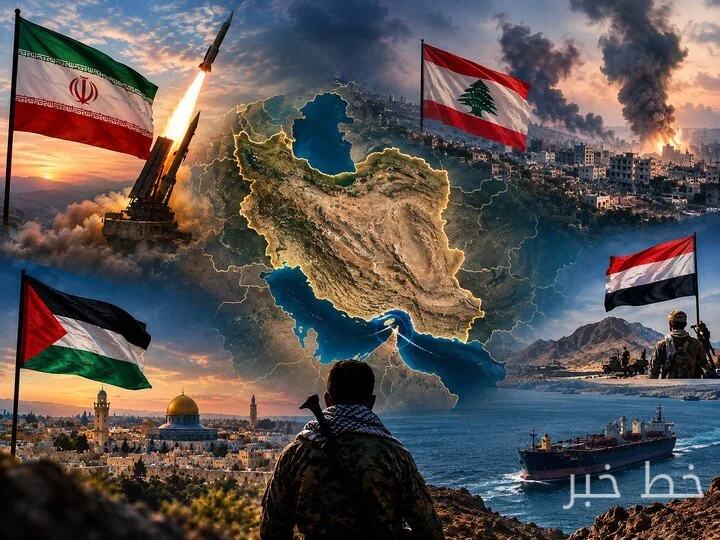
Lieutenant General Mohsen Rezaei, Secretary of the Supreme National Security Council, stated in an interview with Press TV that Iran has set conditions for continuing negotiations with the United States and does not find Washington's response to these conditions sufficient. Rezaei pointed to three previous rounds of negotiations that he said were halted by U.S. military action against Iran, stating that Tehran has not turned its back on diplomacy but has changed its approach.
New Negotiation Conditions
Rezaei stated that the United States has conveyed proposals through Pakistan, Qatar, and Iraq, and Iran has also announced its seven conditions. According to him, some of these conditions have been accepted, but ambiguities still exist that need to be resolved. The Secretary of the Supreme National Security Council also considered the management of the Strait of Hormuz to be a strategic asset for Iran and said that this management is not limited to collecting fees for the passage of ships, but the main issue is controlling security in this waterway. He claimed that Iran influences regional security and energy equations with the Strait of Hormuz.
Read more: Twenty-six percent of Trump voters want the GOP to separate from him
Warnings and Legal Follow-ups
Kazem Gharibabadi, Deputy for Legal and International Affairs at the Ministry of Foreign Affairs, considered the Strait of Hormuz a vital part of Iran's national security and emphasized the Islamic Republic's right to take necessary measures to protect this waterway. Gharibabadi pointed to the consequences of war and military actions by the United States and the Zionist regime, stating: Before the war began, traffic in the Strait of Hormuz was not facing such a situation.
He announced that Iran has pursued documentation related to attacks and crimes committed through legal and international channels and has submitted more than ١٠٠ diplomatic notes on this matter to the United Nations. The Deputy Foreign Minister further warned that if military aggression is repeated, Iran's response will be different from previous reactions and expressed hope that the opposing side would refrain from repeating conflicts.
The naval force of the Islamic Revolutionary Guard Corps warned about the passage of ships through the Strait of Hormuz and announced: Vessels that turn off their navigation and identification systems will be identified as hostile. The statement issued by the naval force of the Guard emphasized that decisive action will be taken against these vessels.
Hasan Qashqavi, spokesman for the National Security and Foreign Policy Commission of the Parliament, referring to the cognitive war and psychological operations of the enemy, said: A significant portion of the news and analyses published in wartime conditions, according to him, is unrealistic and misleading.
The UK Maritime Trade Operations reported that a tanker was targeted by an unidentified projectile while exiting the Strait of Hormuz and caught fire. According to this report, the ship's captain stated that the projectile hit the left side of the vessel and caused a fire, but no harm came to the crew.
Read more: Chuck Grassley defended his record after Democratic criticisms · Ismail Baqai announced Iran's response to U.S. proposals through mediators