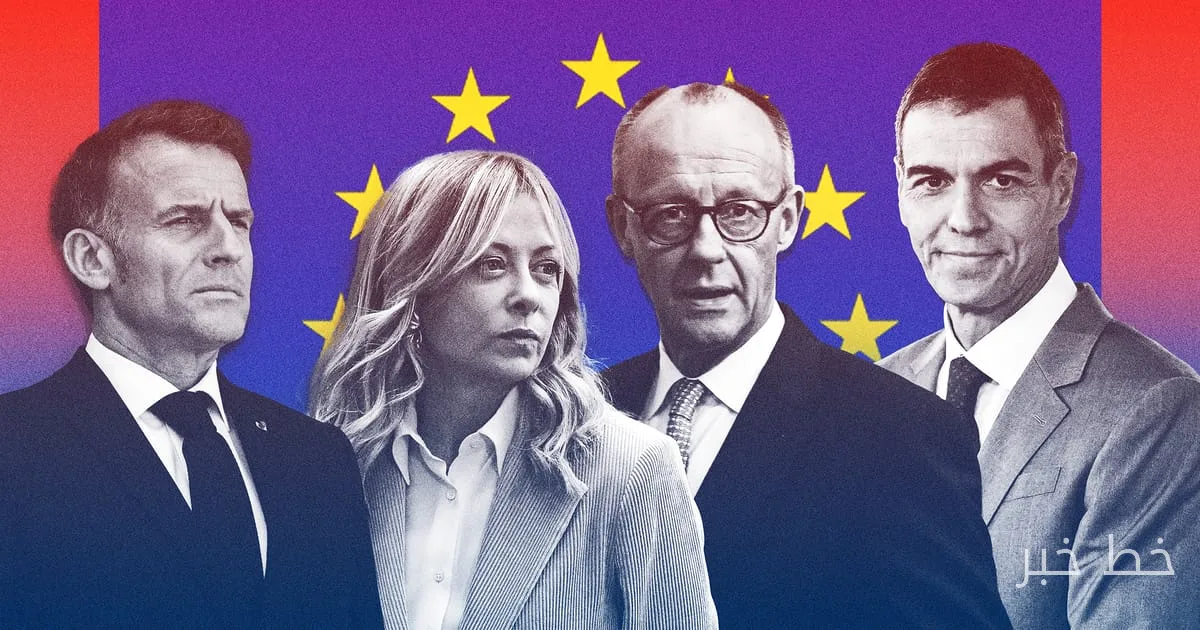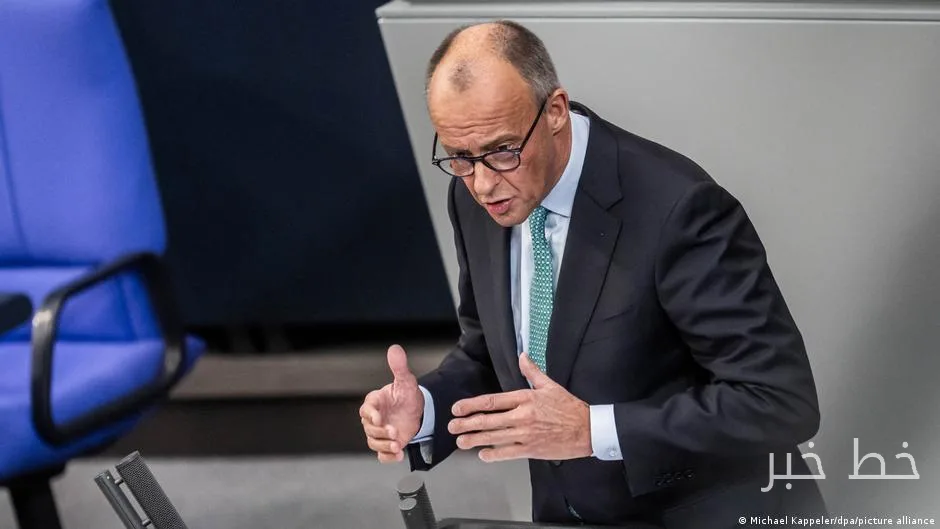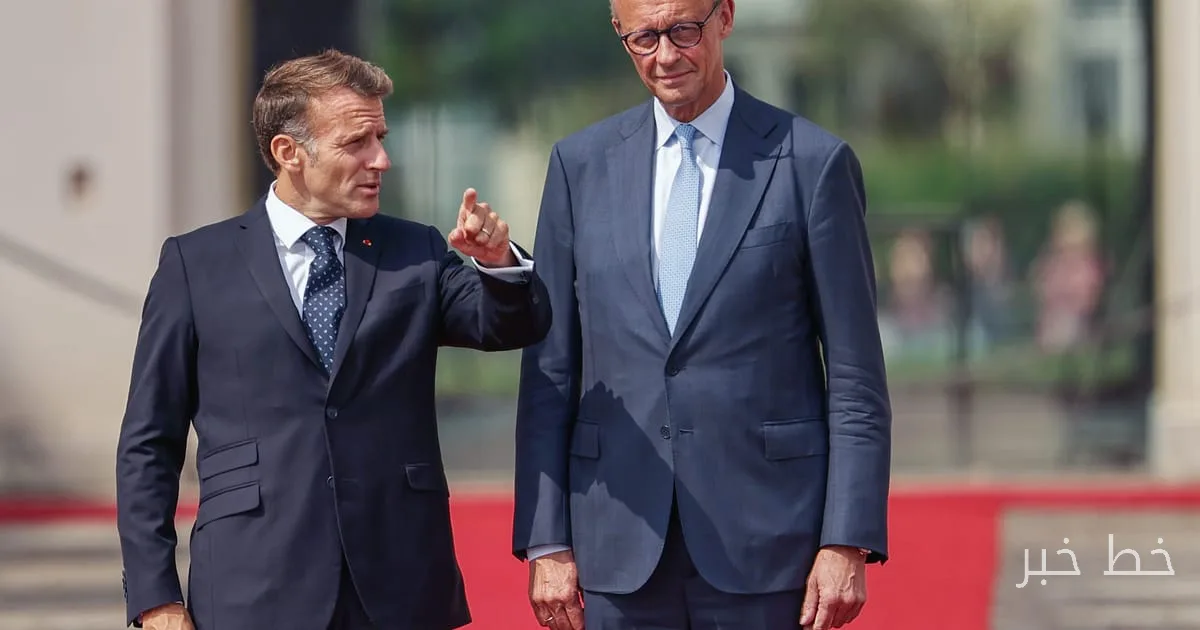
Macron and Merz, while political pressures have increased on them, are in a weak position to resolve the disputes over the EU's seven-year budget. With a two-day summit of EU leaders taking place in Brussels, these two major countries hold the keys to breaking the current deadlock. For some time, a group of leading countries led by Germany has been calling for budget cuts, while France is strongly opposed to these reductions.
The Major Challenge of the EU Budget
Reaching an agreement on the EU's long-term central budget, valued at nearly €2 trillion, is the biggest challenge facing leaders in the coming months. All countries must agree on the final numbers. Although it is not solely up to Macron and Merz to achieve this agreement, reaching a consensus between these two powerful EU countries could be a significant step towards resolving this crisis.
Read more: Failure to Invite Content Producers to the EU Leaders' Summit
However, given that Macron will soon step down from his position and Merz is also under severe domestic pressure, officials and diplomats in Brussels, Paris, and Berlin have diminished hopes for a joint achievement between France and Germany this week.
Political Weakness and Domestic Pressures
The internal political weakness of both leaders could hinder any concessions. Macron, who will resign from his position next year, is concerned that accepting significant concessions, such as the cuts proposed by Berlin, could be used as a weapon against him. One of Macron's supporters stated, "Macron should not appear too conciliatory in the budget negotiations, as this could backfire in his election campaign."
Merz, following recent electoral defeats, is avoiding any concessions that might be interpreted as sending more money to Brussels. He has stated that Berlin would prefer no agreement to one that leads to an overall increase in the budget.
However, the situation between France and Germany may not be as far apart as public statements suggest. A Macron ally said, "This is complicated because both France and Germany must step out of their comfort zones. But ultimately, this will lead to an agreement between France and Germany."
The French Minister for Europe, Benjamin Haddad, has also emphasized that negotiations should focus on increasing revenue through taxes rather than broad cuts. He added that Paris is also seeking "stability in national contributions," meaning maintaining its level of payments.
While Berlin is "ready to explore new sources," German officials are skeptical about whether these sources will generate sufficient revenue. Nevertheless, France hopes that ultimately Merz, under pressure from other countries and German industrialists, will set aside his demands for cuts.
In this context, the head of the EU industry, Stefan Sejourne, emphasized support for an agreement to finalize both issues. Macron recently described the agreement as "close" and stated that progress depends on the coalition negotiations in Germany. However, the inability to present an agreement at the Paris Motor Show this week indicates that fundamental differences between Paris and Berlin still exist, and negotiations continue.
Read more: Bulgaria Condemns Drone Attacks in the Black Sea · Analysis of the State of Green Public Transport in Europe