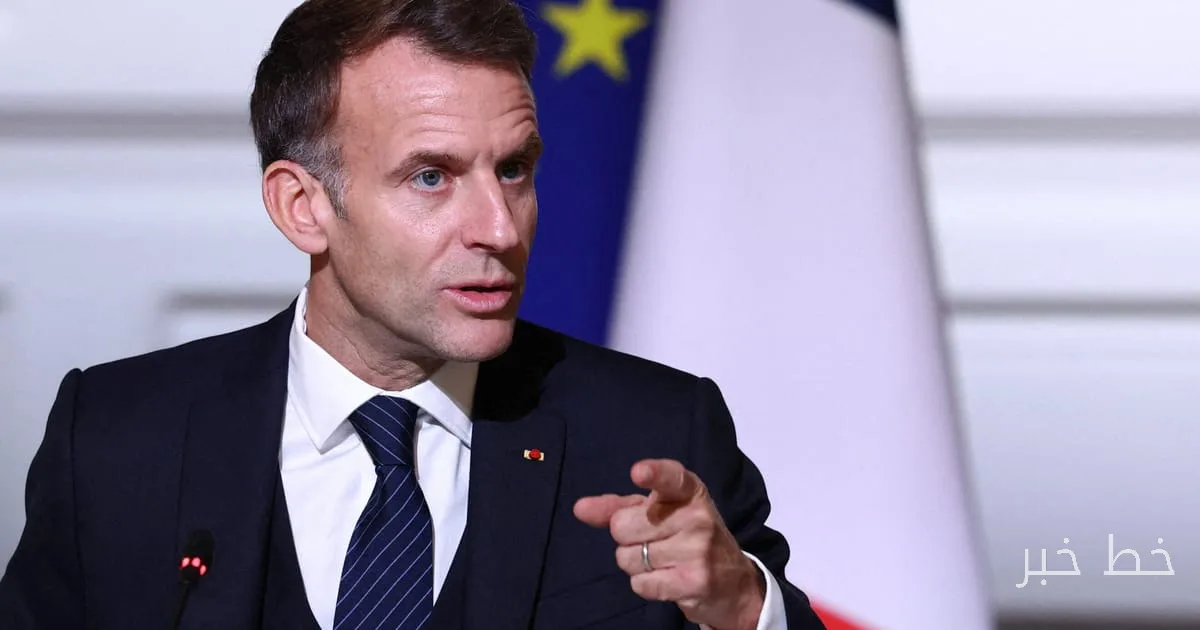
Emmanuel Macron, the President of France, has threatened that if an agreement is not reached among EU countries by the end of the year, he will halt negotiations regarding the EU's multiannual budget.
Macron's Forecast on Negotiations
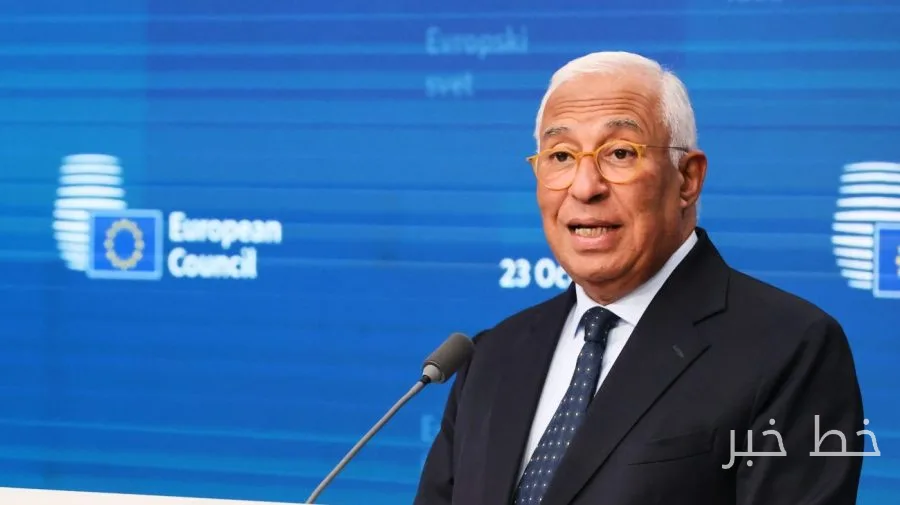
An official from Macron's office told reporters: "It is clear to the President that continuing these negotiations beyond December is not possible" if leaders do not reach an agreement at the European Council meeting on December 17 and 18. This warning increases pressure on Antonio Costa, the President of the European Council, and other EU countries ahead of an extraordinary meeting in Brussels on Thursday and Friday.
Challenges Facing Macron and Positions of Political Rivals
Macron will resign from his position in the spring of next year due to legal limitations during his presidency. He has told his counterparts that he will not be in a position to continue negotiations on the EU budget for the years 2028 to 2034 in the new year. Meanwhile, Marine Le Pen, the far-right candidate who is leading in the polls, has repeatedly accused EU institutions and the President of France of trying to sideline her from the process by accelerating budget negotiations.
Le Pen has promised that if elected, she will drastically reduce France's share of the EU budget and turn the European Commission into a "secretariat" for member countries. Macron's office has publicly criticized Costa's proposal to cut another 44 billion euros from the EU's seven-year budget, even if this action exempts some of France's favored items such as farmer subsidies from cuts.
On Wednesday, Macron met with representatives of the country's largest agricultural organizations at the Élysée and promised them that "the Common Agricultural Policy (CAP) will be the number one issue and goal for France" at the European Council meeting. An official from Macron's office, who was not named due to French government communication practices, predicted that the European Council meeting would not yield conclusions and emphasized that Costa's proposal does not respond to France's demands, including regarding increasing direct financial resources from the EU for funding.
In addition to the cuts, Macron's office warned that Costa's proposal rarely assures that new taxes at the EU level will be approved soon, as these taxes must be approved in a separate vote after budget negotiations. While France supports the new digital tax proposed by Costa and the European Commission, it has warned that convincing all EU countries to accept this tax will be difficult.