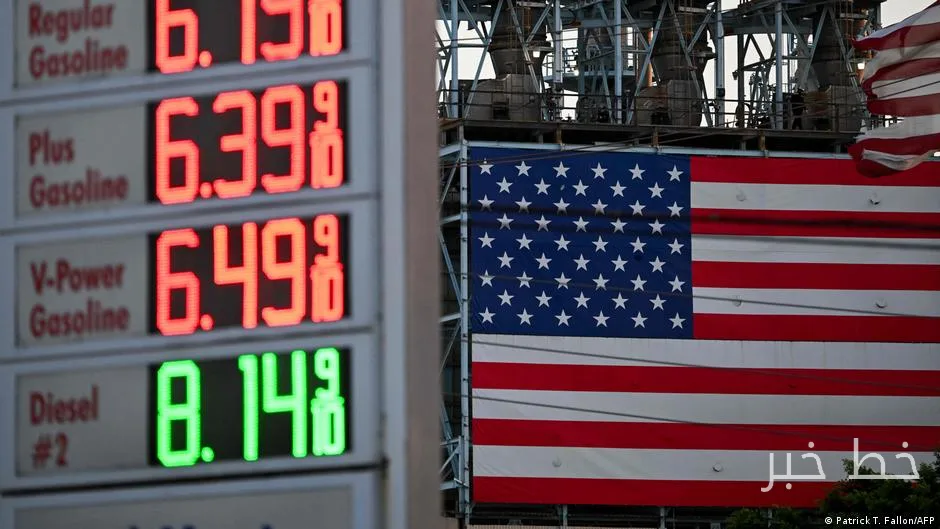
Emmanuel Macron, the President of France, stated in an interview on Thursday that he told Donald Trump, the President of the United States, that the 90-day ban on diesel exports currently being considered by the White House is a bad idea.
Global Impacts of the Export Ban
Macron said in this interview: "I think all the experts around him and all the American refiners can only tell him this." He added: "This will be a bad decision, not only for the rest of the world but also for the economy of the United States." The United States is currently the largest exporter of diesel in the world, and removing this supply from global markets will have profound effects, especially given the current unrest in the Middle East that has disrupted global energy trade.
Read more: Decrease in Republican Support for War in Iran Following Fuel Price Increase
Energy and Security Challenges
Macron also referred to the war in the Middle East, stating: "We are paying the price of this war." The European Union has purchased more diesel from the United States in recent months to compensate for supply shortages that cannot pass through the Strait of Hormuz. Currently, diesel shipments from the United States account for more than half of the total diesel imports to the European Union.
Last week, Macron announced that he intends to chair a meeting of the G7 to discuss the release of strategic oil reserves and has also spoken with leaders of hydrocarbon-exporting countries to secure fuel supplies from alternative sources.
The President of France also announced that his country will deploy military forces to help secure the port city of Yanbu in Saudi Arabia, as this port exports more than 5 million barrels of oil daily and has recently been attacked by Houthis backed by Tehran in Yemen.
Macron has been trying to encourage Brussels to ease EU regulations on fuel blending and methane emissions to keep the rapidly rising energy prices under control. His government has also recently announced that it will spend 450 million euros to extend fuel subsidies that were implemented in March until the end of the year.
However, these measures have so far failed to change prices, and diesel prices in France and other parts of Europe have reached historic highs. France, facing weak growth, a high budget deficit, and heavy debts, has little financial space to alleviate this pressure. Prime Minister Sébastien Lecornu announced last week that the government will propose a reduction of 54 billion euros from the budget to control the deficit.
Read more: Obama: Today's Government is Much Less Corrupt than in the Past · Return of CNN, MSNBC, and Politico Journalists to the White House After Trump's Ban