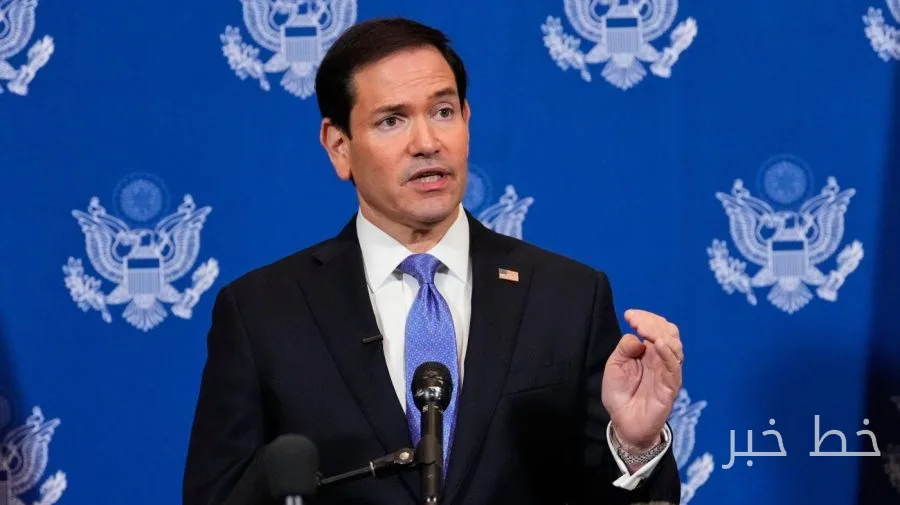
Marco Rubio, the U.S. Secretary of State, stated on Wednesday that arms sales to Taiwan are influenced by military needs in other parts of the world and also by the industrial infrastructure of this country.
Strategic Considerations in Arms Sales
Rubio clarified that people generally view arms sales only from the perspective of a specific region, while this issue involves broader strategic considerations. He stated that the United States must balance its defense needs with ensuring the security of other regions as well.
Read more: Azerbaijan Released French Citizen Martin Ryan
Arms sales to Taiwan are one of the controversial issues in U.S.-China relations. Taiwan, as an autonomous region, is always under military threats from China, and the United States, as a supporter of this island, is committed to providing the necessary arms for its defense. However, Rubio emphasized that these sales are planned in a way that does not harm the overall security of the United States.
Industrial Challenges and Military Needs
The Secretary of State also pointed to industrial challenges that could impact arms sales. He stated that U.S. industrial infrastructure must be capable of meeting its military needs worldwide, and this could create limitations for supplying arms to Taiwan.
Rubio's remarks come as China has continuously increased its military threats against Taiwan. The United States, as a global power, must find a way to respond to these threats without compromising its defense capabilities. This issue reflects the complex challenges the United States faces in managing its relations with China while also supporting Taiwan.
Ultimately, Rubio emphasized that the United States must carefully consider strategic considerations to fulfill its commitments to Taiwan while also ensuring its own security.
Read more: Trump Administration Signed New Agreement on Greenland · Chinese Hacker Group Targeted Cyberattacks Against Maritime Industries in Seven EU Countries