Measles cases in the U.S. have surpassed 4,000 this year. According to recent data released, 25% of the reported cases in the country are related to Pennsylvania. The Centers for Disease Control and Prevention (CDC) announced on Friday that there are currently 4,080 measles cases reported in 47 states and the District of Columbia.
Increase in Measles Cases in States
This significant increase in measles cases across various states in the United States has raised considerable public health concerns. Among them, Pennsylvania has the highest rate of measles cases at 25%. Specifically, this state, with 1,042 cases, is recognized as the primary outbreak center in the country. Other states that have seen a notable increase in measles cases include California, New York, and Texas, which together account for 15% of the cases.
Read more: AI Chatbots Do Not Respond Correctly in Mental Health Crises
Causes and Consequences of Measles Outbreak
The outbreak of measles has occurred due to a decrease in vaccination rates in some communities and an increase in the number of individuals refusing to get vaccinated. According to CDC reports, this disease is highly contagious and can lead to serious complications including pneumonia, brain infections, and even death. In recent years, anti-vaccine groups in some areas have caused a decline in vaccination coverage, posing significant risks to public health.
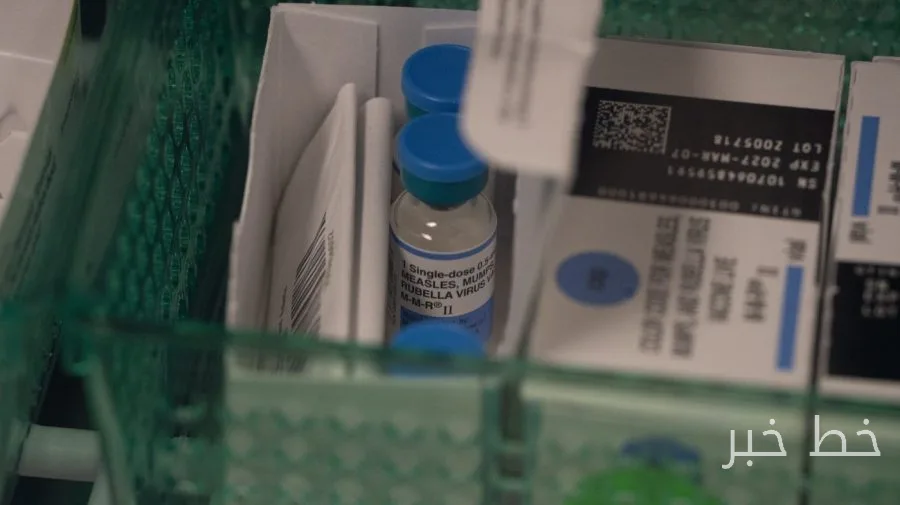
According to CDC statistics, since the beginning of 2023, 54 measles cases have resulted in hospitalizations. Additionally, the agency has emphasized that vaccination is the best way to prevent the spread of this disease. The measles vaccine is typically available as part of the MMR vaccine (measles, mumps, and rubella) and is administered to children starting at 12 months of age.
Experts state that parents should be aware of the importance of vaccinating their children and adhere to vaccination schedules. If this trend continues, there is a possibility of larger outbreaks in the future that could impact public health.
Read more: EU Preparedness for the Next Health Crisis Under Review · Measles Cases in Pennsylvania Exceed 1,000