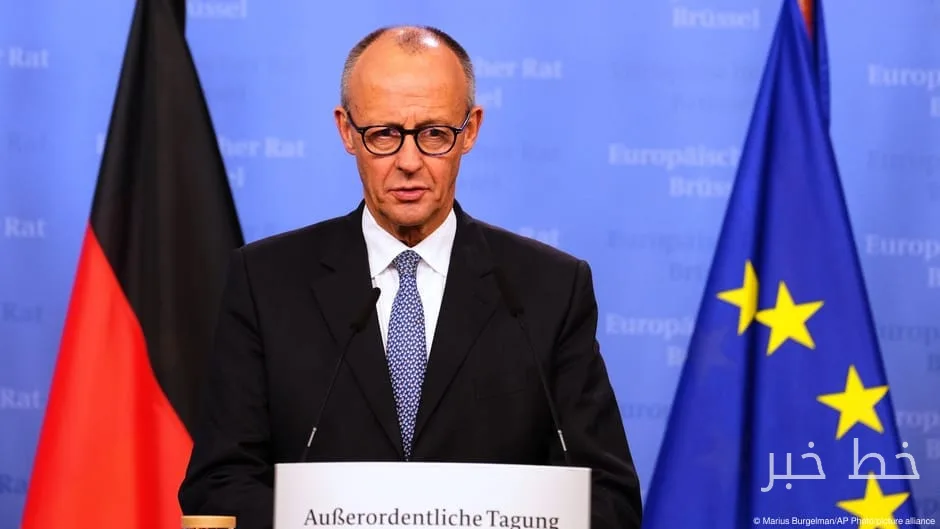
German Chancellor Friedrich Merz reiterated on Tuesday the necessity of linking the future EU budget to collective support for a multi-billion euro loan to Ukraine. This comes as Slovak Prime Minister Robert Fico labeled the request a "classic act of extortion."
Shared Responsibility in Europe
Merz said at a press conference with Hungarian Prime Minister Péter Márki-Zay, "Supporting Ukraine is a shared European responsibility, not the responsibility of member states individually." He added, "Therefore, the question of how we will finance Ukraine in the coming years naturally falls within the context of these budget negotiations."
Negative Reactions to Merz's Request
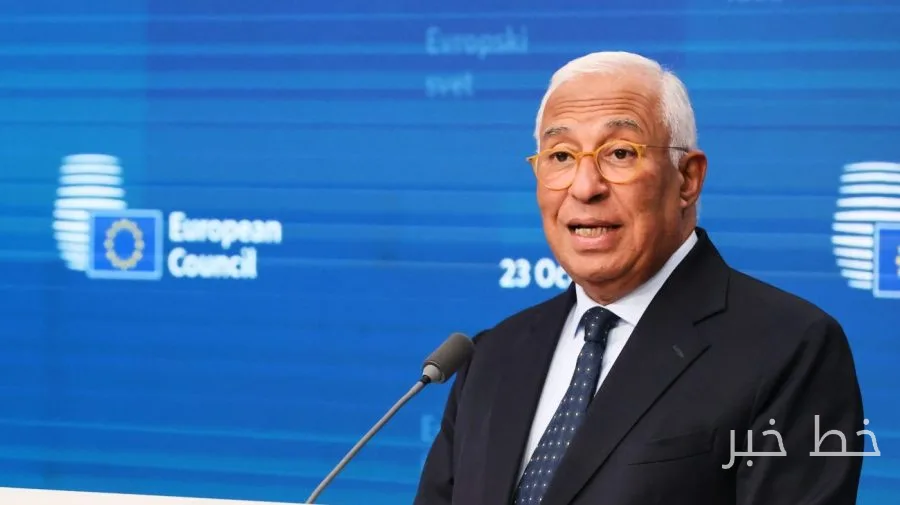
This request from Merz, which he also raised in a letter to European Council President Antonio Costa, faced negative reactions. Fico, during his meeting with Czech Prime Minister Andrej Babiš in Bratislava, stated, "What the German Chancellor is doing is classic extortion, and I reject it."
The EU and its partners are currently discussing a new €70 billion loan to support Ukraine next year due to ongoing Russian attacks. The EU intends to provide about €45 billion of this loan, while other allies like the UK, Canada, and Japan are expected to cover the remaining €25 billion.
Merz also emphasized that he does not want to repeat last year's approach, where a €90 billion loan for Ukraine was agreed upon only with financial guarantees and responsibilities from most EU countries, while three countries — the Czech Republic, Hungary, and Slovakia — were exempted.
He stated, "In my opinion, continuing down this path is not a good option. We need to fully integrate Ukraine's policy into the EU budget."
However, Márki-Zay disagrees with this view and came to Berlin with four ministers and a state secretary to discuss deeper cooperation. He emphasized the public closeness between Germany and Hungary after years of cold relations under the previous leadership of Viktor Orbán.
Márki-Zay said, "I want to express here respectfully and diplomatically that I do not find it right to link this approach, which has actually been considered for seven years and for Europe, to other issues."