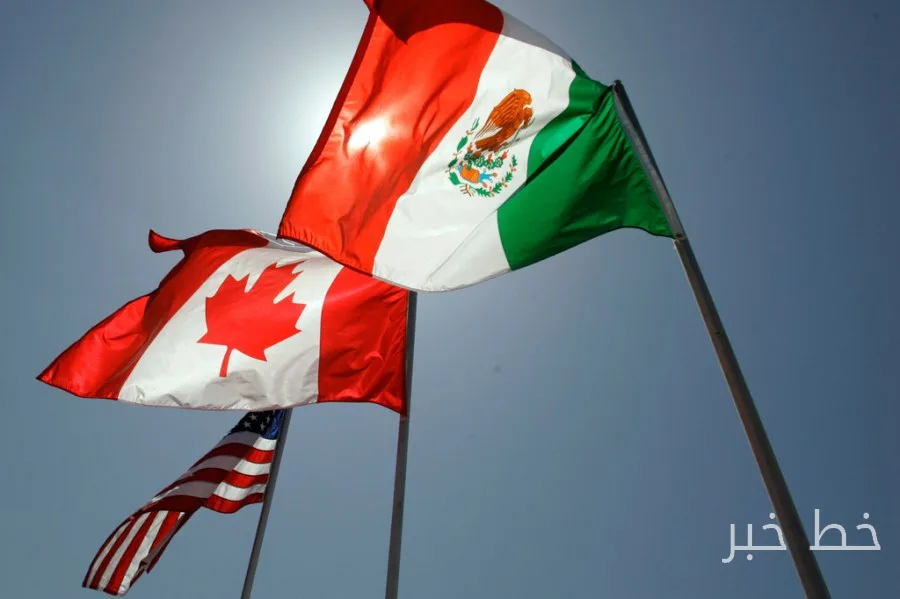
Mexico has faced serious criticism for its energy policies. U.S. and Mexican trade officials are set to meet this month in Washington to examine Mexico's alleged violations of the United States-Mexico-Canada Agreement (USMCA). These violations particularly pertain to discriminatory policies in the energy sector, which could have significant impacts on the U.S. energy market.
Background on Mexico's Violations
The USMCA, signed in 2020, aims to create a fair and transparent trade framework for the three North American countries. However, Mexico has not adhered to its commitments under this agreement by implementing policies that favor its state-owned companies. These policies include restrictions on foreign investments and preferential treatment for national companies in energy projects.
Read more: Jean-Luc Mélenchon confirmed there is no risk of fuel shortages if prices are capped
Potential Consequences for the United States
The aforementioned violations could lead to increased trade tensions between the United States and Mexico. Analysts believe these tensions may result in retaliatory trade measures that could affect energy prices and U.S. energy security. Additionally, these conditions could harm foreign investors and American companies operating in the Mexican market.
During this month's meeting, both parties are expected to discuss how to resolve these issues. U.S. officials are concerned that the continuation of this situation could lead to decreased investor confidence in the Mexican market and negatively impact Mexico's commitments to international agreements.
Ultimately, this meeting could be a turning point in trade relations between the two countries and determine whether Mexico will adhere to its commitments under the USMCA. Given the importance of the energy market in the U.S. economy, these negotiations could have far-reaching implications for the future.
Read more: Gabriel Attal announced a 150 billion euro savings plan · Senator Jean Shaheen blocked a $2.8 billion arms sale to Israel