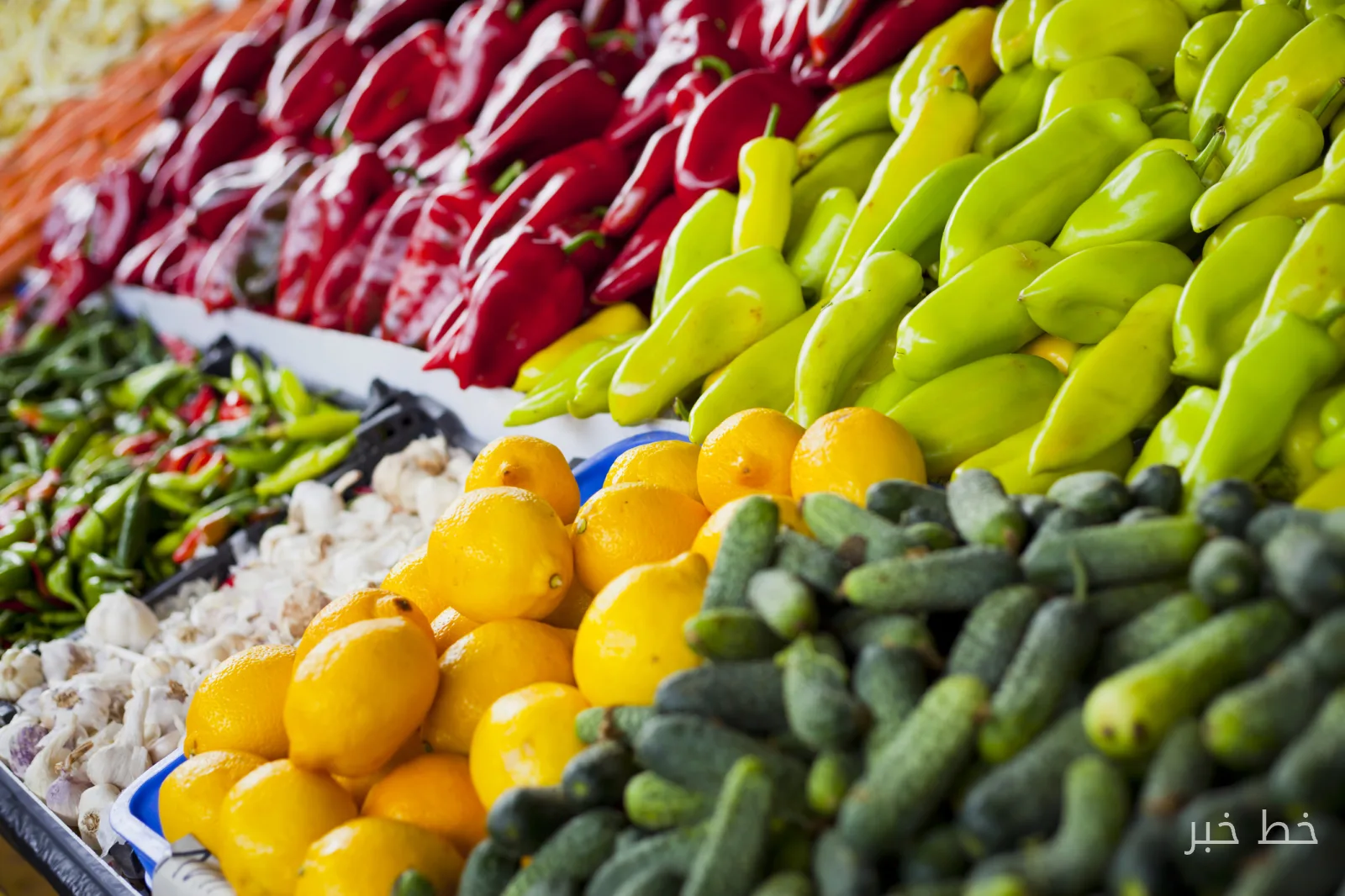
A new report from the National Center for Health Statistics (NCHS) shows that most American adults consume at least some fruit or vegetables each day, but many are deprived of this diet.
Fruit and Vegetable Consumption in Recent Years
According to available data from 2021 to 2023, about 70 percent of adults aged 20 and older reported consuming fruit or 100 percent fruit juice on a given day, while nearly 30 percent of American adults did not eat any fruit or drink any juice. Additionally, 93 percent of adults reported consuming vegetables.
Read more: The Impact of Night Light on Heart Changes: Interesting Facts You Should Know
This data is similar to reported dietary patterns in a previous survey from 2015 to 2018, but fruit consumption has slightly increased while vegetable consumption has decreased. In that survey, 67 percent of adults had consumed fruit on a specific day, and 95 percent had consumed vegetables.
Gender and Income Differences in Consumption
In the recent survey, women consumed more fruit than men (74 percent compared to 66 percent). A similar proportion of women and men consumed vegetables, but the types of vegetables differed; while 42 percent of women reported consuming dark green vegetables, only 34 percent of men did the same. Dark green vegetables are rich in vitamins and minerals that can benefit heart, brain, and bone health.
Individuals with higher household incomes consume more fruit and vegetables compared to those with lower incomes. However, among income groups, dark green vegetables had the lowest consumption rates.
Nutritional Standards and Challenges
This report indicates that Americans have maintained their fruit and vegetable intake in their diets, but their consumption is still below federal nutritional standards, which recommend about 2 cups of fruit and 2.5 cups of vegetables daily. 31 percent of adults reported using 100 percent fruit juice as their fruit intake, while nutrition experts say this method is not as beneficial as consuming whole fruits that also provide fiber.
The NCHS survey does not include an analysis of factors that influence fruit and vegetable consumption, but cost likely plays a significant role in consumption patterns. While food inflation was low from 2015 to 2019, the pandemic led to an increase in food prices, with an average price increase of 3.5 percent in the following years.
Read more: A Fatal Blow from the UK Parliament to Efforts to Legalize Assisted Dying · Natural Compound in Blueberries Helps Burn Muscle Fat