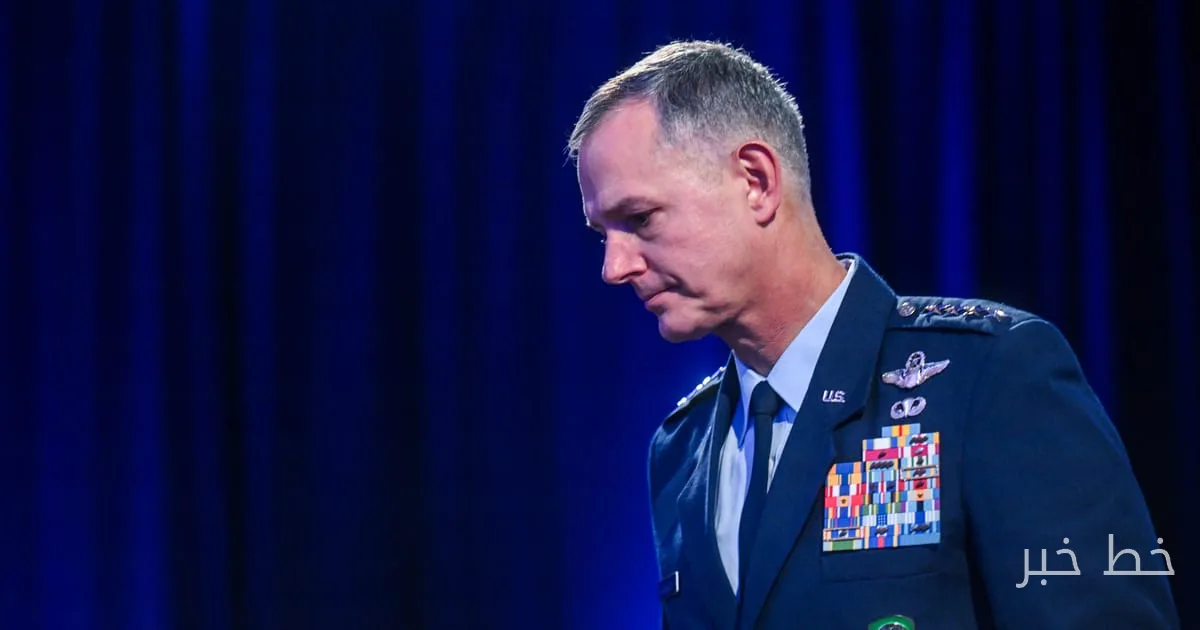
General Alexis Grinkovich, NATO commander, unveiled a new plan called "Victory Theory" to counter any Russian attack at the Warsaw Security Conference on Monday. He announced that NATO forces are prepared to defend if attacked on NATO territory, even if American troops are engaged elsewhere.
NATO's New Plan to Counter Threats
Grinkovich, at the conference, referred to concerns about the possibility of a Russian attack on one of the NATO countries by the end of this decade, stating: "Our alliance exists to maintain peace, but if war begins, we will stop any attack, and if this attack continues, we will defeat the aggressor forces." This rare statement from a four-star general reflects NATO's efforts to deter Russia and send a message of unity to member countries.
Read more: Ukrainian Foreign Minister Calls for Use of Frozen Russian Assets to Fund Kyiv's Defense
The Key Role of NATO Member Countries
According to this three-phase plan, NATO will initially use ground forces to stop attacks and then will utilize air, naval, cyber, and space capabilities to counter the invading forces. Grinkovich further explained that NATO will also use sensor and automated systems to overcome enemy forces and prevent their advance.
The Lithuanian Minister of Defense, Radvilas Kaunys, emphasized that the theory presented by Grinkovich sends a strong message to adversaries that NATO will defend itself. The Supreme Allied Commander in Europe also stated, "I do not believe that conflict is imminent or inevitable, but we will render any attack on any of our allies fruitless."
This speech represents a stronger response to enemy attacks, but the credibility of this plan depends on the ability of member countries to provide forces, infrastructure, and coordination for its implementation. When asked whether this plan considers a scenario for when the United States is engaged elsewhere, Grinkovich said, "This has been fully considered and must be."
The U.S. government under Donald Trump has been shifting its military focus to other priorities such as the Indo-Pacific region and domestic security. The U.S. representative to NATO, Matthew Whitaker, announced in Warsaw that Europe ranks fourth among Washington's strategic priorities.
The Pentagon has also reduced its share of NATO crisis forces and will release a new report on American forces in Europe by the end of this year. Grinkovich emphasized that "no one should doubt the United States' commitment to this alliance," adding that "ultimately, it is a political decision that determines who provides forces where."
Camille Grand, former NATO Deputy Secretary General for Defense Investment, described this plan as "a very targeted effort" to show that NATO is ready to defend with or without extensive participation of American forces. A senior European defense official also stated, "For my country, countering the Russians means fighting with or without Americans. We expect them to come, but if they don’t, we will fight anyway."
Grand also added that this plan demonstrates NATO's readiness to adopt a bolder approach towards Moscow and threatens to dismantle its war machine even deep within the front lines.
This comes as Moscow sent a letter to NATO last month threatening to use nuclear weapons if the alliance attempts to isolate its Kaliningrad enclave. Grinkovich warned that NATO will be ready to respond and may even use its nuclear arsenal.
He said, "If an enemy poses a threat of escalation, this cannot shake our alliance. We must feel secure in our ability to create wide-ranging effects and implicit warnings that we can respond to any enemy move in escalating tensions."
Read more: Yemen Army's Missile Attack on Saudi Positions in Khamis Mushait and Abha · Thomas Massie Supported Trump's Deal with Russia for Diesel