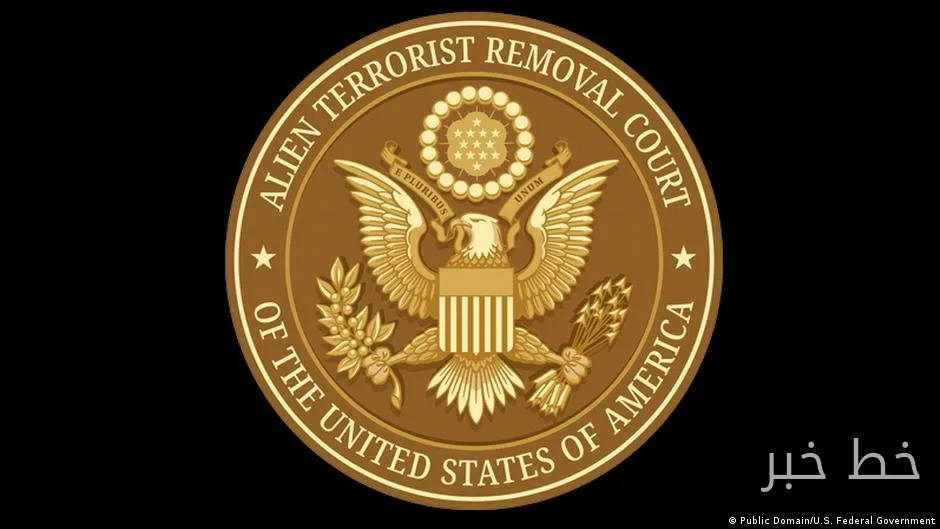
Nazira Haji Zada, 47, who lived in Texas after emigrating from Afghanistan and had legal permanent residency in the United States, was deported to Afghanistan after pleading guilty to terrorism charges. This case is recognized as the first use of the Foreign Terrorist Court (ATRC) in the United States.
Details of the Nazira Haji Zada Case
According to the U.S. Department of Homeland Security, Nazira Haji Zada relinquished her right to appeal her deportation order after being recognized as a foreign terrorist and returned to Afghanistan. U.S. Attorney General Todd Blanche described this case as a victory for national security and the rule of law.
Read more: Poland Reaffirms Support for Ukraine Following Russian Drone Attacks
Nazira faced allegations that identified her as the "mother" of a family whose two members, Abdullah Haji Zada and Nasir Ahmad Towhid, were accused of plotting a mass shooting on Election Day 2024. Blanche had previously referred to the family as "sympathizers with ISIS."
Criticism of the Foreign Terrorist Court
Nazira's public defenders, Matthew Farley and Mari Manig Peters, stated that this case should not be seen as a validation of the legitimacy of this court. The Foreign Terrorist Court was established as part of anti-terrorism measures following the Oklahoma City bombing in 1995 and is intended to handle cases involving non-American individuals facing terrorism-related charges.
Hiroshi Motomura, a law professor at the University of California, Los Angeles (UCLA), stated that it appears the Trump administration is using the ATRC as a new tool in its deportation policies. He also noted that the process of using this court is very complex and the government can use other methods for deporting individuals.
Motomura added that one of the key differences between the ATRC and standard deportation methods is that individuals on trial cannot see the evidence presented against them. Meanwhile, their lawyers may have access to this evidence in some cases.
The U.S. Department of Homeland Security has stated that "half a terabyte of documents" has been provided to Nazira and her lawyers, but the details of these documents have not been disclosed. Motomura believes that the government prefers to use a more complex process and present evidence in private sessions to the judge to prevent public disclosure.
The ATRC consists of five federal judges appointed by the Chief Justice of the United States, John Roberts. The government must first request the court to show that an individual is a "foreign terrorist" and also explain why continuing the standard deportation process could pose a threat to national security.
Nazira's deportation order was issued without a hearing, raising questions about the government's future use of this court. Nazira's lawyers have stated that this process violates legal rights and expect the Foreign Terrorist Court to be deemed illegal.
Similar cases to Nazira's could have significant implications for justice in the United States. Motomura believes that this situation is part of a broader effort by the government to limit access to courts and lawyers.
Read more: 20 People Die in Gaza Due to Building Destruction · Bitter Reminder of September 11: How Security Lessons Are Still Relevant