The European Union presented a new strategy for the Arctic on Tuesday that outlines the priorities of this bloc in this key region against challenges such as security threats, climate change, and resource extraction.
Security and Military Challenges in the Arctic
Russia is strengthening its military power in the Arctic, and U.S. President Donald Trump has threatened Greenland, stating that this region is essential for U.S. security interests. However, Trump later signed an agreement with Denmark regarding military access to this territory. China has also invested in this region and is pursuing its transportation plans.
The northern areas of Finland and Sweden, along with Greenland, are located within the Arctic, making part of this region adjacent to Europe. Iceland and Norway, two other Arctic countries, also participate in the European single market.
Developing Cooperation and Research on Climate Change
Ursula von der Leyen, President of the European Commission, stated that "the Arctic is one of the places where geopolitical tectonic plates are colliding." She added that "when we see that sovereignty, territorial integrity, and the rules that have guaranteed security in this region can no longer be easily assumed, we must act and change our strategic position."
Josep Borrell, the EU's High Representative for Foreign Affairs and Security Policy, noted that Russia is "re-establishing Soviet-era bases and testing new weapons" in the Arctic. He also pointed to security threats arising from the entry of drones, GPS disruptions, and sabotage of underwater cables.
To enhance maritime security, the EU intends to establish a maritime security center in the region and increase the capacity of European icebreakers. Additionally, this bloc plans to expand its satellite monitoring program in the area.
However, the EU does not intend to compete with NATO in this region. Joseph Sikela, Commissioner for International Cooperation, stated that "NATO will remain the center of defense and deterrence, but NATO does not have a budget; member countries do."
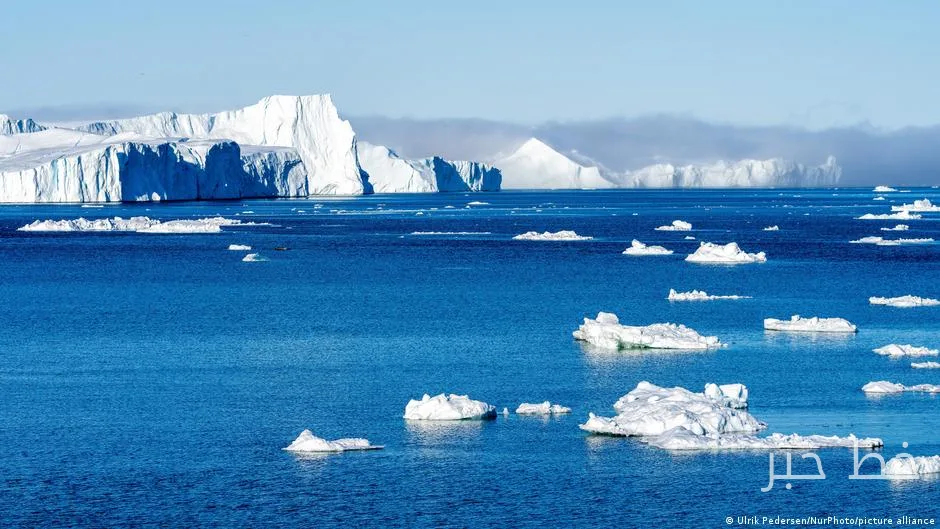
In terms of climate change, the Arctic is warming four times faster than the global average. The melting of ice and glaciers in this region poses risks to Europe, including prolonged heat, drought, and flooding.