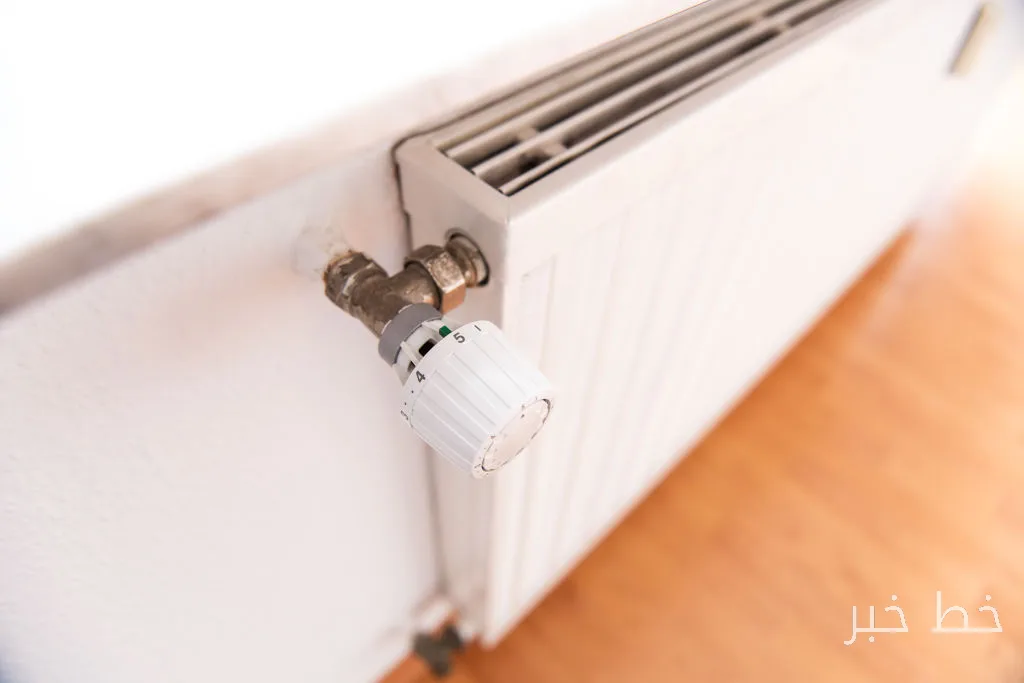
Winter is rapidly approaching, and as temperatures drop, most people want to stay warm and comfortable in their homes. However, with rising energy prices, heating a home can be costly this winter, especially for renters who cannot make significant changes to their homes.
Heating Challenges for Renters
Nicholas Rajkovich, a professor of architecture at the University at Buffalo, says, "It's a bit challenging for renters because they can't make many adjustments to the design of their homes or add insulation." However, he advises renters to take steps to improve heating in their apartment or house they are renting.
Read more: The United States Imposes New Sanctions on Iran
The simplest solution may not be what you want to hear. Ian Shapiro, a professor of mechanical and aerospace engineering at Syracuse University, suggests: "To save energy, lower the thermostat temperature." Adjusting the temperature to a lower setting can help save energy.
Practical Tips for Energy Savings
If you control the heating of the house, turn off the heating completely when leaving the house. Also, if possible, avoid heating empty rooms.
As temperatures drop, checking windows and doors to ensure they are properly insulated is very important. Nearly 30% of a home's heating and cooling energy is lost through windows.
Shapiro recommends placing your hand under the faucet before checking. The temperature of the water doesn't matter, but the humidity makes you more sensitive to airflow. "Your hand becomes more sensitive to leaks," he says. After identifying cold air entry points, you can use temporary weatherstripping or removable foam insulation to reduce airflow.
While it may be tempting to use space heaters, experts warn against relying on them. Fuel-burning heaters can create safety hazards, as they may produce carbon monoxide, and even electric heaters can cause fires if used improperly.
Additionally, if the landlord pays for heating, you may incur extra costs. Shapiro says, "In most apartments, heating is paid for by the landlord, and if you add an electric heater, you are now paying for heat yourself." He cautions about this because electricity is usually the tenant's responsibility, but heating is centrally paid for by the landlord.
Finally, if possible, consider using a window heat pump that works by moving heat rather than generating it. This is an efficient solution to supplement the central heating system and heat a particular room, and it can also serve as an air conditioner in the summer.
Ultimately, the simplest tricks can be effective. Rajkovich says, "Lower the temperature in your home, wear an extra sweatshirt, and use a blanket." All of these are very low-cost ways to save on expenses.
Read more: The Netherlands and Spain Nominated for the Presidency of the European Central Bank · Early Winter Weather Forecast by NOAA