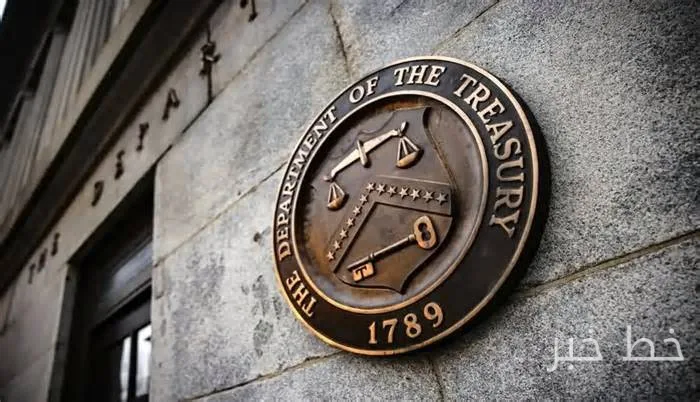
On Friday, the United States announced new sanctions against Iran through a statement on its Treasury Department website. This action continues the economic and political policies of the U.S. towards Iran and aims to exert more pressure on Tehran to change the political and military behaviors of the country.
Details of the Sanctions
The new sanctions will include restrictions on certain individuals and entities that, according to U.S. officials, are involved in Iran's nuclear and military activities. These sanctions particularly focus on companies and individuals engaged in technology and financing related to Iran's nuclear programs. Additionally, these sanctions could lead to reduced access for Iran to international markets and increase pressure on its economy.
Read more: Elizabeth Warren attributed the Democrats' victories to populist economic messages
Economic Consequences
The new sanctions will undoubtedly have a significant impact on Iran's economy. Given the current economic situation of the country and currency fluctuations, these sanctions could exacerbate the decline in the national currency's value and increase inflation. Analysts also believe that these sanctions may lead to intensified social and economic crises in Iran, placing more pressure on the government and the people.
Meanwhile, some experts emphasize that imposing more sanctions may escalate existing tensions and crises instead of resolving issues. In fact, these actions, alongside other sanctions and pressures, could lead to further isolation of Iran in the international arena and reduce diplomatic opportunities.
Analysts also note that Iran's response to these sanctions may include increased military and nuclear activities, which could escalate tensions in the region and the world. Overall, these sanctions will affect not only Iran but also international relations and regional security.
Read more: Over 600,000 people joined the cost of living protests in France · Iran reacted to the results of the U.S. midterm elections