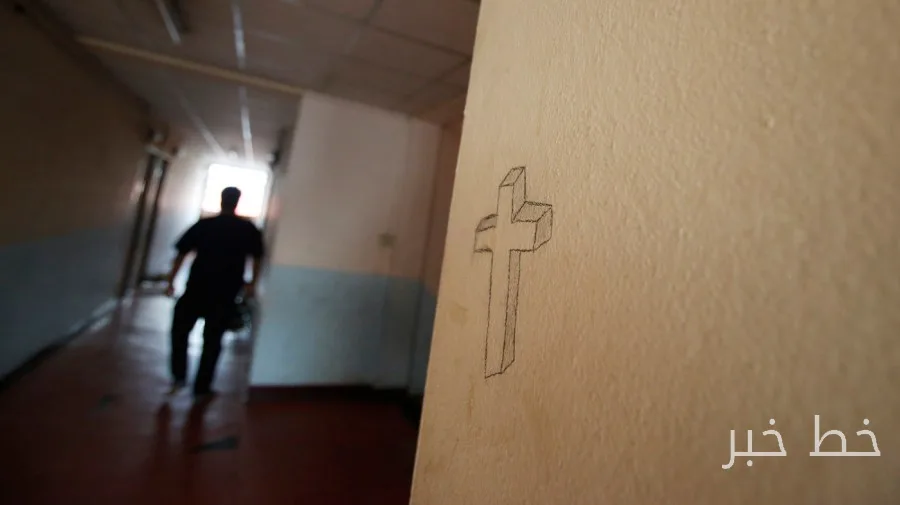
The lack of resettlement of Christian refugees in the United States has occurred for the first time in history. The fiscal year ending this month will be recorded as the year in which no Christian fleeing religious persecution has been resettled in this country. This situation has raised significant concerns among human rights advocacy groups and Christians around the world.
Historical Context of the Issue
America is recognized as one of the main destinations for refugees, especially those who have faced persecution due to their religious beliefs. In the past, this country has welcomed a large number of Christians fleeing from various countries. However, changes in immigration policies and a decrease in the number of accepted refugees in recent years have led to a significant decline in this trend.
Read more: Nine passengers died in a bus fire near Delhi
Consequences of Non-Resettlement
The non-resettlement of Christians fleeing religious persecution not only affects the lives of these individuals but also has broader implications. Many human rights organizations are concerned that this lack of acceptance could exacerbate persecution and human rights violations in the home countries of these individuals. Additionally, this situation could lead to a decrease in the confidence of Christians in various countries and jeopardize their social security.
Some experts believe that the non-acceptance of Christian refugees is due to political and social changes in the United States and the rise of anti-immigrant sentiments in American society. These changes could undermine the fundamental values of asylum and the right to live with dignity in various communities.
As a result, the future of religious asylum in the United States will be heavily dependent on government policies and social changes in the country. This situation could lead to new changes in immigration and asylum policies that will either benefit or harm religious communities around the world.
Read more: Netanyahu and Abbas speak at the UN General Assembly · Min Aung Hlaing seeks to revive relations with the West