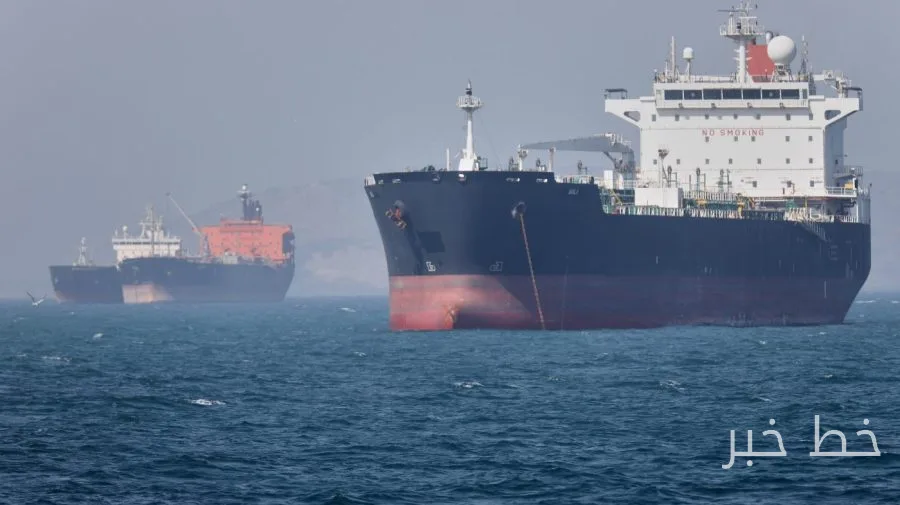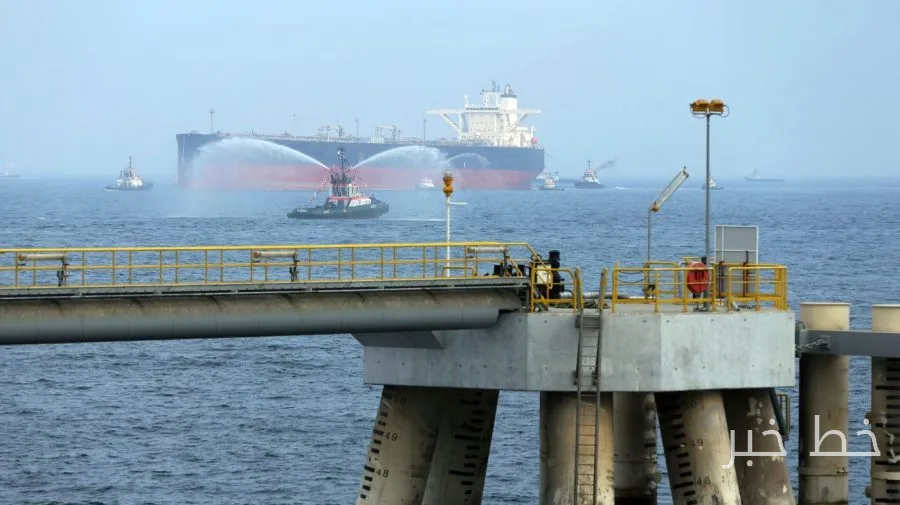
The Brent oil price, which is recognized as the international benchmark for crude oil pricing, reached 110 dollars per barrel on Friday. This price increase occurred as the oil industry faces ongoing challenges stemming from the wars in the United States and Iran, as well as the war in Ukraine.
Factors Influencing the Increase in Oil Prices
The ongoing wars in Ukraine and the Middle East, particularly the tensions between the United States and Iran, have significantly impacted the global oil market. These tensions have led to a decrease in supply and an increase in demand in the market, resulting in rising prices globally. Analysts believe that this situation will continue due to political and economic uncertainties in these regions.
Read more: Increase in oil prices with the White House's planning for more attacks on Iran
Economic Consequences of Rising Oil Prices
The increase in oil prices can have widespread consequences for the global economy. One direct impact of this increase is the rise in fuel costs for consumers and industries. This issue can lead to higher prices for goods and services, thereby putting more pressure on households and businesses.
Moreover, countries that are dependent on oil exports may benefit from this price increase, but countries that rely on oil imports will face greater challenges. This situation could lead to more volatility in financial markets and global currencies.
As a result, the continuation of these developments in the oil market and rising prices necessitates careful monitoring and management by governments and economic institutions. Experts believe that with this trend continuing, we must be prepared to face new challenges in energy supply and pricing of goods.
Read more: The Organization of the Petroleum Exporting Countries keeps oil production levels steady in November · The Social Security Administration announced a 3.6 percent increase in payments