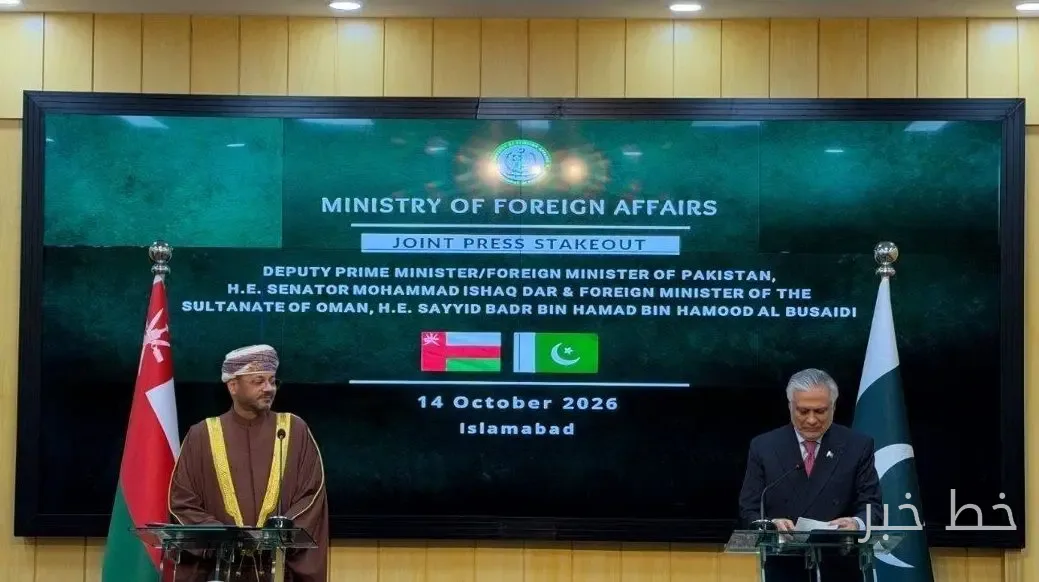
Oman has concluded its negotiations with Iran regarding the Strait of Hormuz, and the finalization of these talks depends on agreements between Iran and the United States. Yusuf bin Alawi Al-Busaidi, the Omani Foreign Minister, announced this news today, Wednesday, at a press conference with his Pakistani counterpart in Islamabad, providing further details about these discussions.
Details of the Talks on the Strait of Hormuz
The Omani Foreign Minister stated that the Strait of Hormuz was discussed as part of the Islamabad agreement between Tehran and Muscat, and in Oman's view, the negotiations with Iran on this matter have been completed, with no need for further discussions. He emphasized that all aspects of these negotiations have been examined and necessary conclusions have been drawn.
Read more: Georgia breaks early voting record with over 188,000 votes
Dependence on Iran and U.S. Agreement
Al-Busaidi emphasized that the implementation of these discussions and the resumption of transportation in the Strait of Hormuz depends on an agreement between Iran and the United States. He also reiterated his country's position in supporting diplomacy and continuing efforts with other regional players to achieve lasting peace, stating that Muscat supports diplomacy and engagement and opposes escalating tensions and confrontation.
The Omani Foreign Minister also referred to direct contacts between the two countries (Oman and Pakistan) regarding regional developments and praised Islamabad's efforts to mediate between Iran and the United States and assist in advancing negotiations. He said, "Confrontation is not an option, and we are strongly opposed to it; therefore, Muscat believes in diplomacy and will continue its efforts for peace."
Background of the Islamabad Agreement
Following the 40-day war between the United States and the Zionist regime against Iran, the Islamabad agreement was signed with Pakistan's mediation, aiming to halt hostilities and pave the way for a final agreement between Tehran and Washington. However, the implementation of this agreement faced obstacles and breaches by the United States, and renewed attacks by this country on Iran, alongside Washington's failure to fulfill its commitments, hindered the process of reaching a final agreement.
In this context, Tehran has emphasized the necessity for the United States to adhere to the commitments outlined in the Islamabad agreement and believes that the continuation of the diplomatic process and the achievement of a sustainable agreement require Washington to cease actions contrary to the agreements made.
Read more: Russia detains a Japanese journalist on espionage charges · Marco Rubio redefines historical confrontations between Iran and Greece