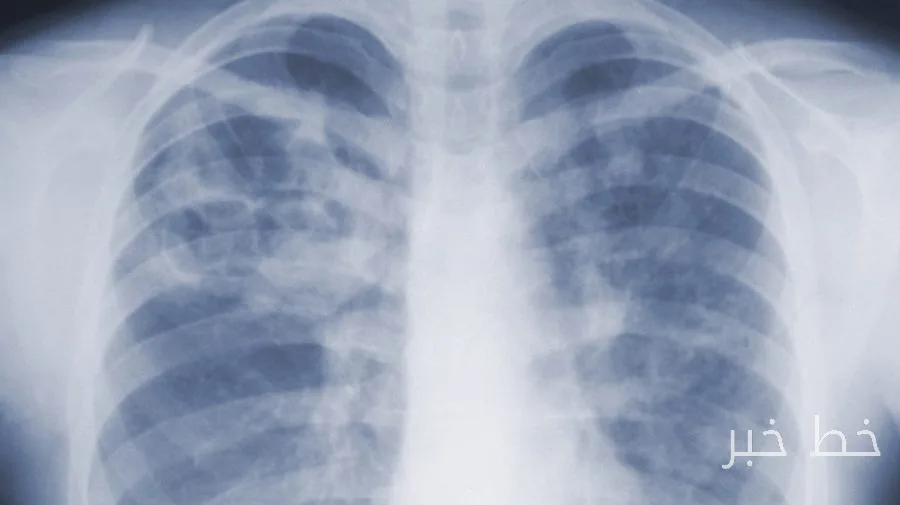
Pneumonic plague, recognized as one of the most dangerous infectious diseases, poses a severe threat to public health. If left untreated, it is almost always fatal and can quickly spread among individuals. In this article, we will examine this disease and its dangers.
What is pneumonic plague?
Pneumonic plague is one form of the plague disease caused by the bacterium Yersinia pestis. This bacterium can be transmitted through contact with infected individuals or by inhaling infectious particles. Pneumonic plague is recognized as a severe respiratory infection and can rapidly cause serious symptoms in an individual.
Read more: Federal ruling on the lack of air conditioning in southern U.S. prisons
Symptoms and signs
Symptoms of pneumonic plague typically include high fever, cough, shortness of breath, and bloody sputum. These symptoms can progress rapidly and lead to respiratory failure and death. If an individual is suspected of having this disease, immediate treatment is necessary to save their life.
Rapid diagnosis and appropriate treatment can significantly increase the individual's chances of survival. Treatment usually involves the use of antibiotics, which should be started in the early stages of the disease.
Risks and prevention
The spread of pneumonic plague due to its ability to be transmitted from person to person is very concerning. This disease can quickly spread in densely populated areas, such as cities. Therefore, preventing infection is of particular importance. Individuals living in high-risk areas should avoid contact with animals and people who may be infected.
Additionally, personal hygiene and adherence to health standards in public environments can help reduce the risk of infection. If any suspicious symptoms are observed, visiting healthcare centers should be a priority.
Conclusion
Pneumonic plague is a serious threat to public health and can be fatal if left untreated. Awareness of symptoms, transmission methods, and prevention can help save lives. Ultimately, prompt treatment and visiting a doctor in the early stages of the disease can increase the chances of survival.
Read more: Dengue virus outbreak in Florida has become the largest situation in decades · Measles outbreak affected San Diego State University football team