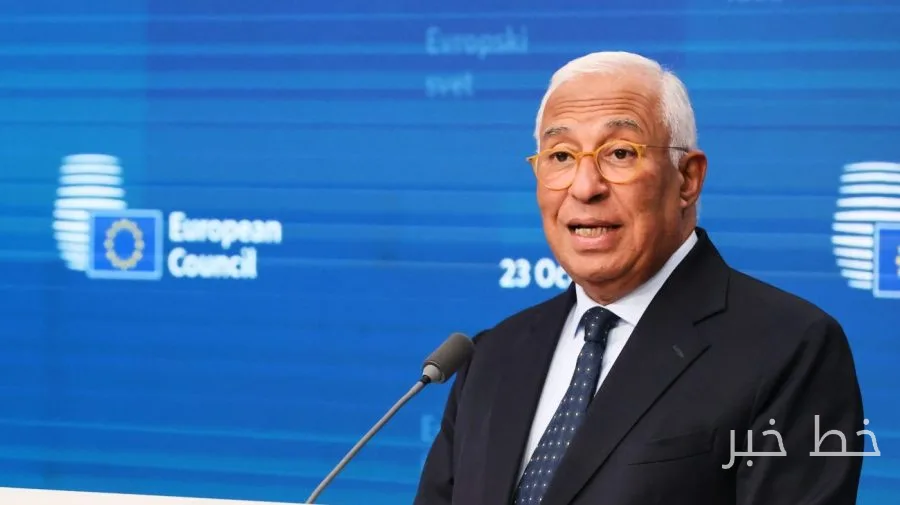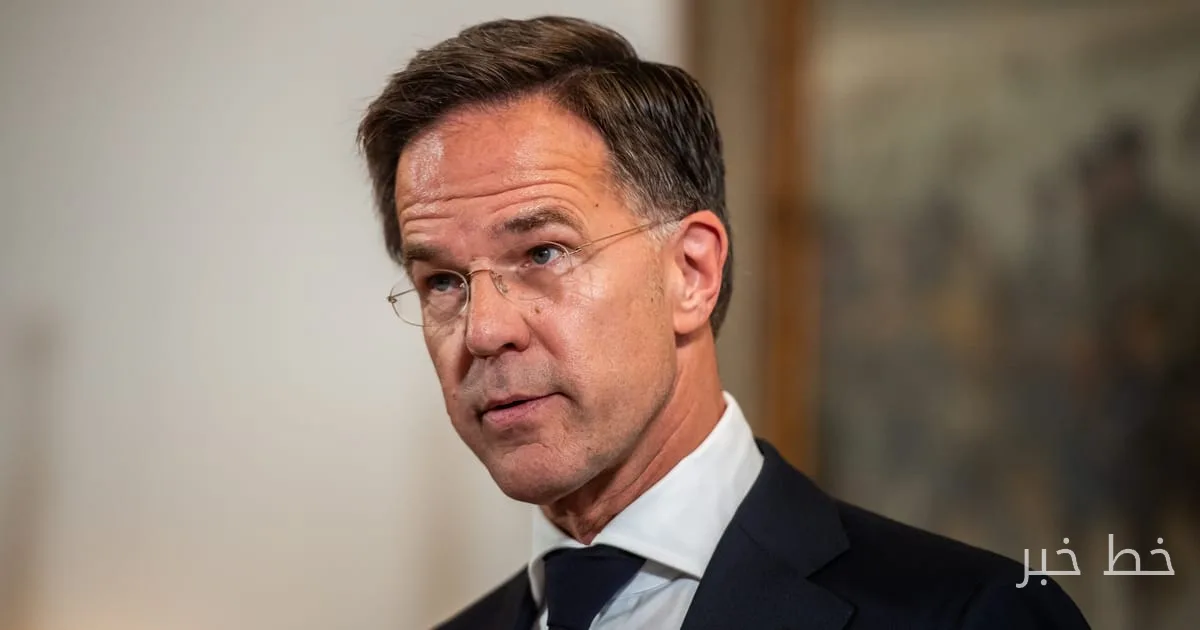
The Portuguese Ministry of Foreign Affairs responded on Tuesday to the statements of Mark Rutte, NATO Secretary General, who said that for Lisbon, Russia is a distant and less relevant threat. The Portuguese Ministry of Foreign Affairs stated in a message posted on social media X: "Portugal, its government, and its people have never doubted the course of their history" and added: "It is concerning that the NATO Secretary General would disregard this serious issue in such a manner."
Portugal's Reaction to Rutte's Statements
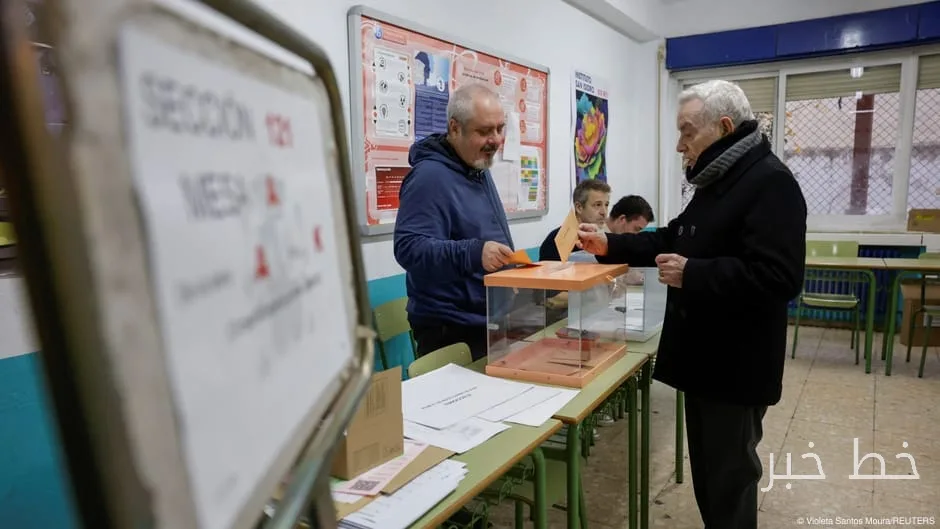
The Portuguese Ministry of Foreign Affairs further emphasized in its statement: "Mark Rutte should know better that there are countries and governments that stand firmly with Ukraine and understand the threat posed by Russia well." Rutte, in an interview with Dutch television last week, said that southern European countries like Spain and Portugal view the Russian invasion as a distant threat.
Key Points of Rutte's Statements
Rutte added: "Sometimes I tell my allies in Spain or Portugal that they say, 'This threat is distant and what is happening in Russia mainly affects Poland,' and I tell them that 'new Russian missiles take only 5 minutes longer to reach Lisbon than Warsaw.'" At the same time, NATO spokesperson Allison Hart emphasized that all allies clearly believe that Russia is a threat, and while all governments recognize this threat, the NATO Secretary General often reminds public audiences that this threat is close to everyone.
Since Russia's full-scale invasion of Ukraine in 2022, Spain has provided 1.5 billion euros in military and humanitarian aid to Ukraine, equivalent to 0.2 percent of its GDP. Portugal has also contributed 390 million euros, which is equivalent to 0.18 percent of its GDP, significantly less than Germany and frontline countries.
However, a Eurobarometer survey conducted in the spring of this year showed that 92 percent of participants in Portugal view Russia's attack on Ukraine as a security threat to the European Union, while this figure is 82 percent in Spain. The average across the European Union was 76 percent.