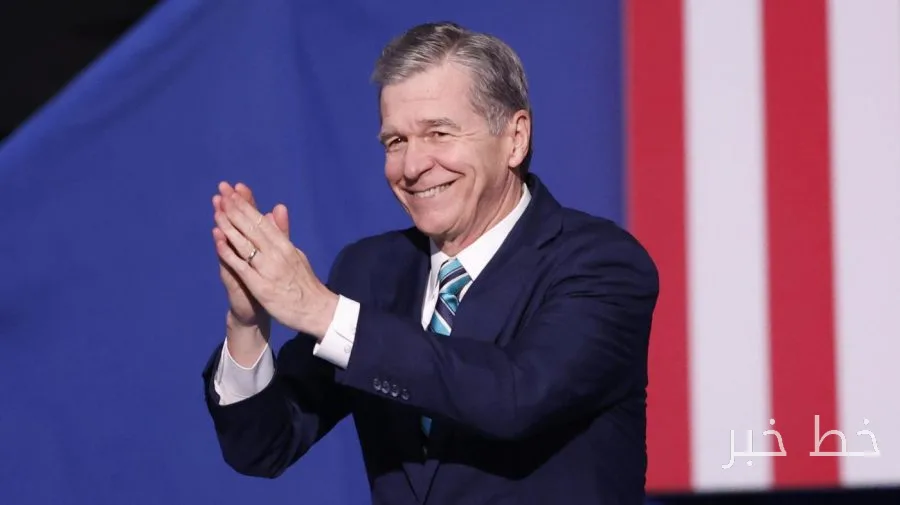
The Democratic super PAC associated with the leadership of the Democratic Senate in North Carolina is reducing its advertising due to Roy Cooper (D), the Senate candidate for the state, having a significant lead in the polls. In this regard, the super PAC has decided to cut approximately $500,000 in television ads and about $50,000 in digital ads.
Cooper's Lead in the Polls
Recent polls show that Roy Cooper has a significant advantage in the race against Michael Watley, the Republican candidate. This lead for Cooper may act as a key factor in the Democratic super PAC's decision to reduce advertising. Given this situation, super PACs may change their strategies to address Republican opponents.
Read more: Komi Badnok Critiques the Prime Minister at the Tory Conference
Impact of Reduced Advertising on the Race
The reduction in advertising can have various impacts on the competitive landscape. On one hand, this action reflects Cooper's high confidence in garnering voter support, but on the other hand, it may indicate that Democrats feel there is no need to spend extra money in a race where they already have an advantage. This situation could provide lessons for other candidates and super PACs in a competitive market, prompting them to reassess their strategies.
As the Senate elections in North Carolina are approaching, the reduction of advertising by the Democratic super PAC could work in Cooper's favor. Currently, he holds nearly a 10 percent lead over Watley in the polls, indicating strong support from voters. This situation may also prompt other candidates to reconsider their strategies.
A Look Ahead to the Elections
As the election process continues and the voting date approaches, the status of Cooper and Watley may undergo further changes. Democrats, especially in North Carolina, need to pay close attention to polls and voter behavior to choose the best possible strategy to maintain their position.
Read more: It's Congress Members' Turn to Campaign · Poll Shows Angela Merkel is Better Suited than Friedrich Merz to Manage Germany's Challenges