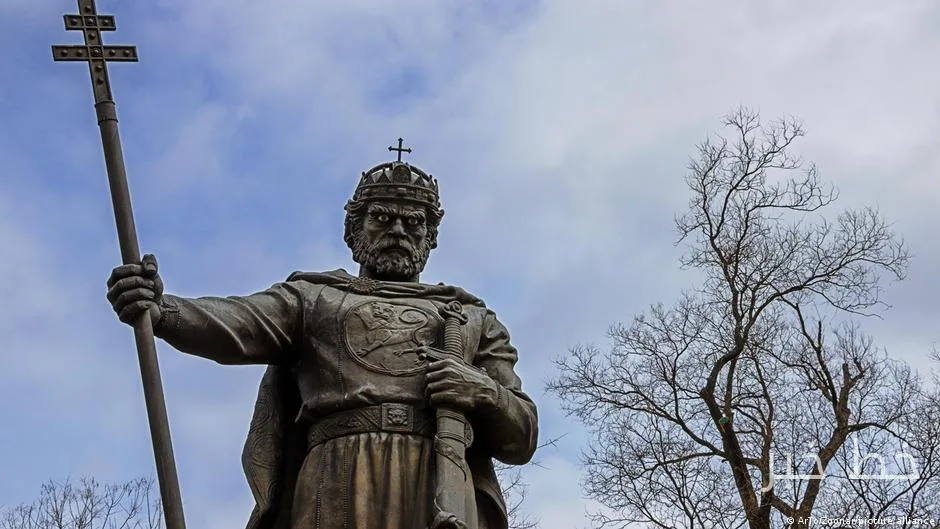
The remains of Tsar Samuel, one of the most important rulers of medieval Bulgaria, were returned to the capital of the country, Sofia, on Saturday. This action came after decades of negotiations with its neighbor, Greece.
History of Tsar Samuel
Tsar Samuel ruled the First Bulgarian Empire from 997 to 1014 and gradually expanded his influence in parts of the Balkans, up to Lake Ohrid, which is now in North Macedonia and borders Albania. However, Samuel's reign was also marked by conflicts with the Byzantine Empire, which ultimately defeated his army in the key Battle of Kleidon in 1014.
Read more: Schools in France Closed Due to Student Protests
According to historians, Samuel died from the shock of the return of thousands of his defeated soldiers who had been blinded by the order of the Byzantine Emperor, Basil II. The lands of Bulgaria came under Byzantine control four years later, but Tsar Samuel is still recognized as a symbol of Bulgaria's national identity.
Ceremony for the Reception of Samuel's Remains
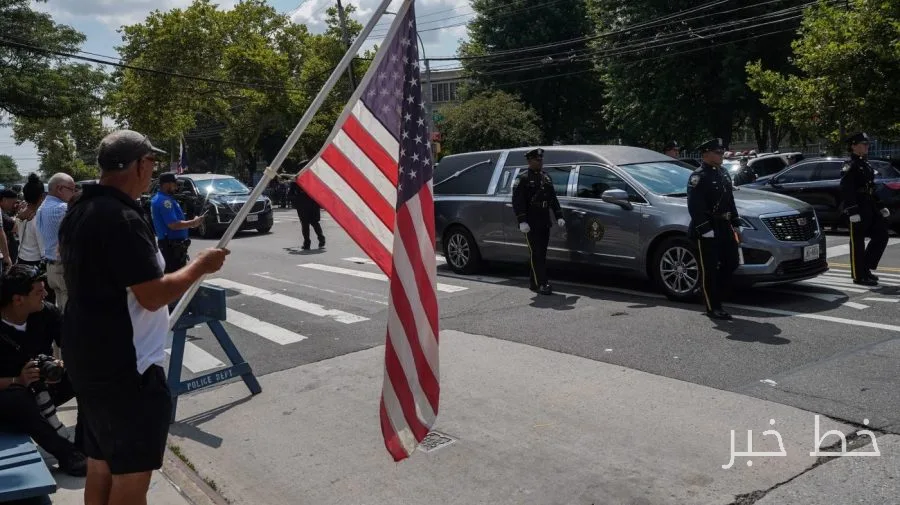
The remains of Tsar Samuel, discovered 60 years ago in a border area of Greece, are set to be transferred to Sofia with full state honors. They will be flown to Sofia on a military aircraft with a fighter jet escort, and the reception ceremony will include a 21-gun salute and a procession to St. Sofia Church, where the public can pay their respects.
On the occasion of this event, free trains have been provided to the capital, and about 750 police officers will be on duty during the handover ceremony. Bulgarian Prime Minister, Rumen Radev, stated at a ceremony held at the Museum of Byzantine Civilization in Thessaloniki, Greece, "These remains belong to both our nations and remind us of our historical bond."
Bulgaria began formal negotiations to return these remains in 2007, and this issue has become one of the key matters in relations with Greece. Radev also noted that if in the past Tsar Samuel divided us, now he unites us.
Historical Critiques and Analyses
The Prime Minister of Greece, Kyriakos Mitsotakis, alongside Radev, emphasized that the remains of Tsar Samuel hold unparalleled cultural, spiritual, and emotional value for Bulgaria. He also pointed out the importance of protecting cultural heritage in the global community.
In exchange for this transfer, Greece will receive 48 emotional items that were stolen by Bulgarian soldiers from churches and monasteries in northern Greece during World War I. Some scholars and religious leaders in Greece have criticized this exchange due to insufficient reciprocity from Bulgaria.
However, Bulgaria is not the only country claiming Tsar Samuel; he is also honored with a large statue in Skopje, the capital of North Macedonia. This reflects the lingering historical tensions between Bulgaria and North Macedonia.
The transfer of Samuel's remains encompasses not only cultural and historical aspects but is also being used as a tool to attract nationalist voters ahead of the Bulgarian presidential elections. Radev is attempting to strengthen the Bulgarian identity of the Slavic population of North Macedonia with this action.
Read more: The Jundeh Party in India Holds a Protest in Delhi for the Resignation of the Election Commission Chair · Teaching 9/11 to the Young American Generation: Conflicting Narratives