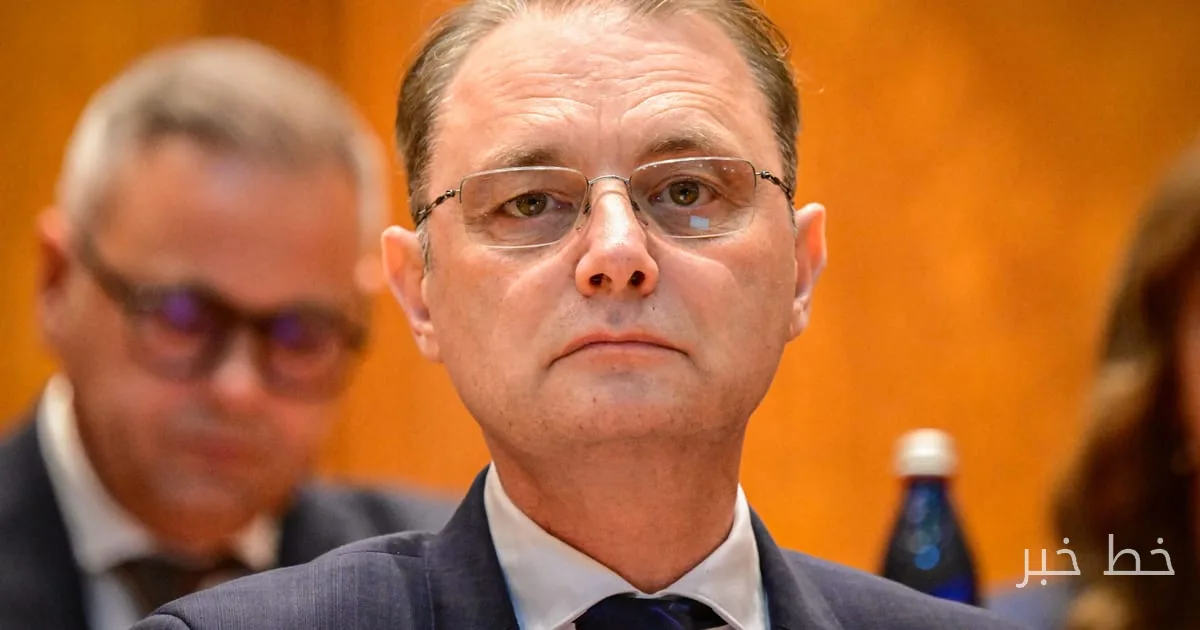
Romania on Tuesday elected Luca Niculescu as Prime Minister following a parliamentary vote after five months of political instability. This selection came after three unsuccessful attempts to form a new government and now comes with a six-month deadline for parties to reach a sustainable agreement.
Economic and Political Challenges in Romania
Romania, with the sixth largest population in the European Union, plays a vital role in NATO's defense of southeastern Europe as it hosts a large military base and a U.S. missile shield site. In recent years, the country has faced political instability and an increasing budget deficit, leading to a rise in support for right-wing nationalist policies.
The new agreement for the government to continue its activities will expire in six months, and parties will need to renegotiate this agreement, for which there is currently no consensus on its future.
Parties' Plans for the Future
During this time, the Social Democratic Party (PSD) will attempt to approve the 2027 investment budget by the end of November and steer Romania away from austerity policies. Sorin Grindeanu, the leader of the Social Democratic Party, emphasized in an interview: "Romania needs an economic recovery plan, not austerity." He also added that the party's priorities include maintaining purchasing power and supporting businesses.
Grindeanu also stated that his goal is to reform the 2026 budget by the end of October and expedite the implementation of EU projects to free up financial resources.
The Social Democratic Party, in May, overthrew the coalition government led by centrists and center-right liberals in collaboration with the AUR party; as unpopular reforms aimed at reducing debt had pushed Social Democratic voters towards populist right-wingers.
The PNL and USR parties have refrained from forming a new government with the Social Democrats. The formation of a new government complicates the holding of early elections, as the Romanian constitution requires two unsuccessful attempts to form a government for parliament to be dissolved.
Grindeanu hopes to convince his previous coalition partners to reunite with a different economic program in the next six months. He aims to prevent further decline and increase support for the far-right.
However, this shift away from austerity policies puts him at odds with the PNL party, which has defended financial constraints. The PNL has avoided signing a detailed coalition program, forcing Grindeanu to gather support through votes over the next six months.
Grindeanu has distinguished between parliamentary votes and stable alliances, stating that he does not intend to reach an agreement with the AUR party due to deep disagreements over European issues and national security. He also rejected the AUR party's proposal to support a €300 million social spending package during negotiations over the 2026 budget.
He emphasized: "As long as I am in this position, the Social Democratic Party will have no agreement with AUR."