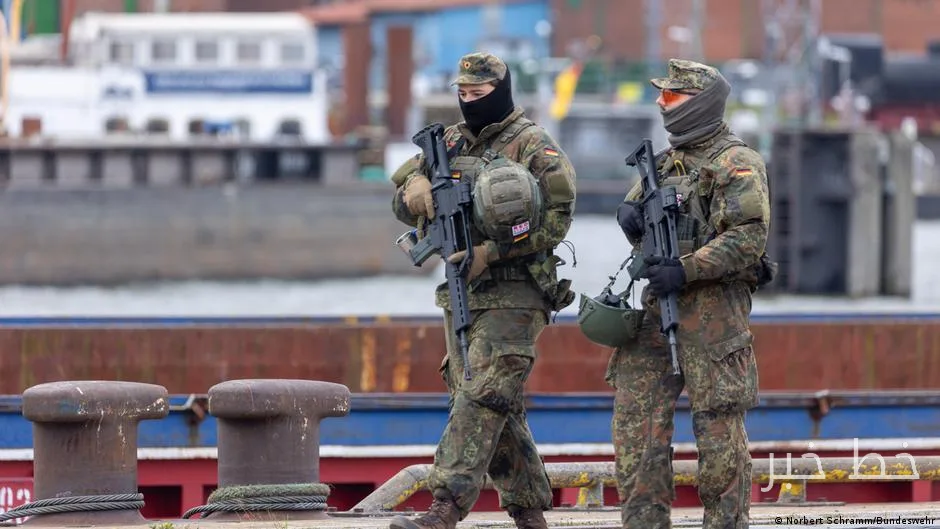
Russia's shadow attacks against European businesses are significantly increasing and involve dangerous and subversive schemes aimed at damaging the continent's infrastructure and key industries. This type of warfare, known as hybrid warfare, directly impacts Europe's economy and incurs high costs for companies.
Recent Attacks and Their Impacts
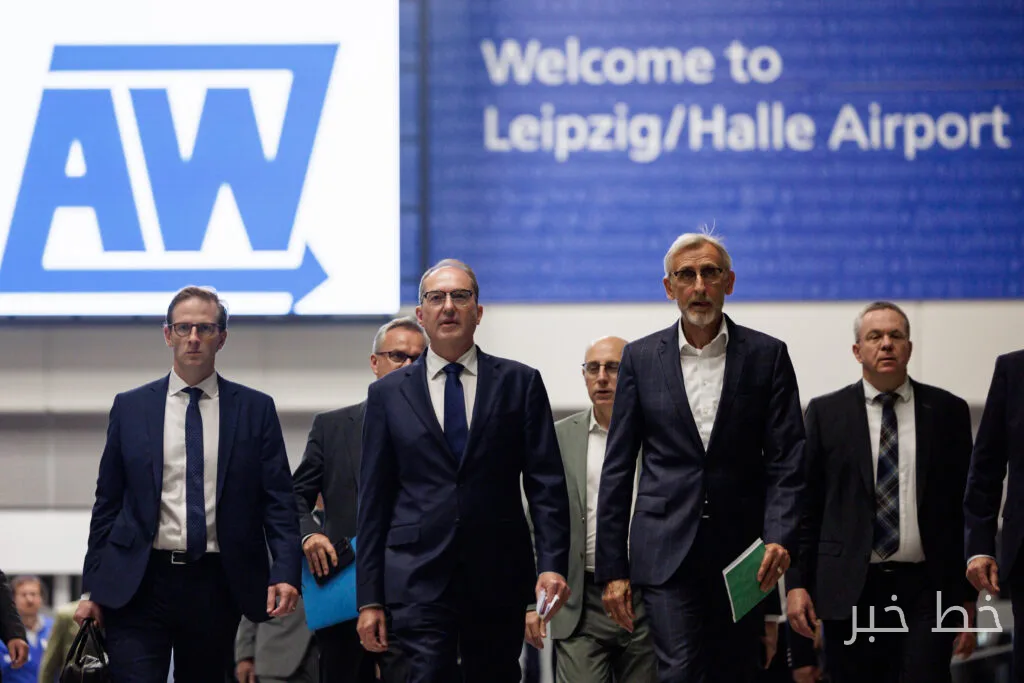
For example, the attack on Leipzig/Halle Airport in Germany on August 4, when a drone landed improperly and lost its explosive cargo, could have had catastrophic consequences. If this attack had been successful, it would have endangered many lives and caused significant financial damage to local businesses. This attack clearly demonstrates the serious threats that put Europe's critical infrastructure at risk.
Read more: Andy Burnham on the Verge of Victory in Upcoming UK Elections
The German government publicly identified Russia as the perpetrator of this attack on September 1. This action reflects a shift in the approach of European countries in facing security threats and their willingness to respond to these attacks. Previously, European countries typically refrained from naming the perpetrators of such attacks, but now, with the increase in threats, this approach has changed.
Economic Consequences and Insurance Challenges
Given the rise in attacks, companies are facing serious issues regarding insurance. Standard insurance typically only covers ordinary risks and does not include acts of war. This situation forces companies to incur high costs for repairs and damages. For instance, the attack on WB Group in Poland, which resulted in a fire, caused damages amounting to 3.5 million euros for the company.
This situation not only harms businesses but also impacts the economic security of the entire region. Any disruption in economic activities and infrastructure provision can lead to reduced investments and increased costs. In fact, each attack incurs significant costs for companies, including maintenance expenses and indirect damages.
The German government has attempted to accelerate the response of European countries to these types of threats by holding a Baltic Sea security summit in August. Although these measures are positive, there are still many challenges ahead for these countries. How can they respond to these threats and protect business security?
Given the current situation, it seems that shadow attacks on European businesses will continue, and countries on this continent must take more serious actions to counter these threats.
Read more: Min Aung Hlaing Seeks to Revive Relations with the West · Explosion in Athens Claims Lives of Four Americans and Two Others