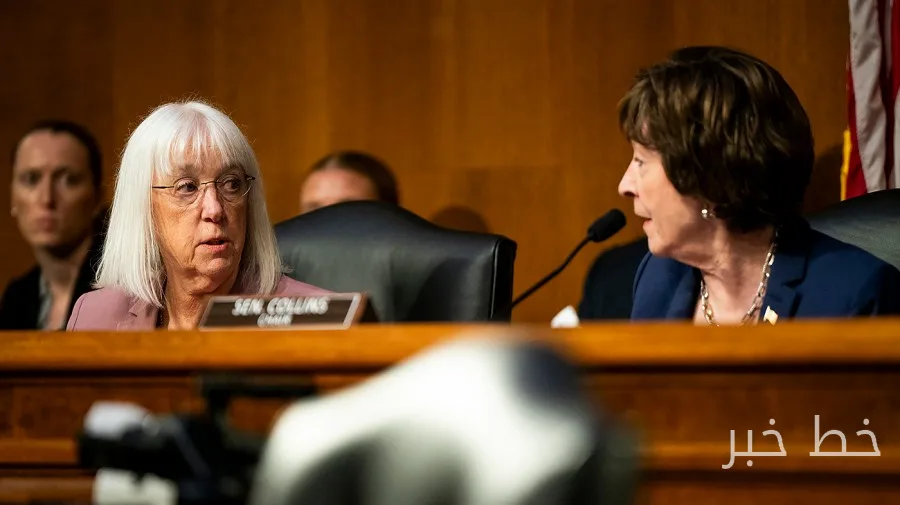
Senator Susan Collins (Republican from Maine) and Senator Patty Murray (Democrat from Washington), as leaders of the Senate Appropriations Committee, criticized the reported plans of the White House on Monday, which aims to give more control to political appointees over the process of granting funds from the National Institutes of Health (NIH).
Concerns About Political Impacts on Science
The senators emphasized that any political interference in the scientific grant process could undermine science and research in the United States. They expressed concern that this action would prioritize political interests over actual scientific needs.
Collins and Murray pointed out that the NIH is one of the key institutions in researching and developing medical treatments and disease prevention, and any disruption in its operations could have serious consequences for public health. They urged lawmakers and other officials to resist these changes.
Details of the White House's Proposed Plans
Reports indicate that the White House is planning to increase the political power of its appointees in decisions regarding scientific grant allocations. These changes, especially at a time when the need for scientific research to address health challenges like the COVID-19 pandemic has become more apparent, could lead to a serious crisis in access to funding for researchers.
Susan Collins stated, "We must ensure that decisions are based on science and evidence, not influenced by partisan politics." Patty Murray also emphasized that these policies could lead to ignoring the real needs of the medical and research community.
These criticisms come as several media outlets have reported on the White House's intention to change the grant allocation process. Senators Collins and Murray believe that these changes could undermine public confidence in scientific and medical institutions.
Ultimately, they called on their colleagues in Congress and the scientific community to work to protect scientific and research independence and to resist any attempts to politicize these processes.
Read more: Trump administration launches programs to improve nutrition in schools