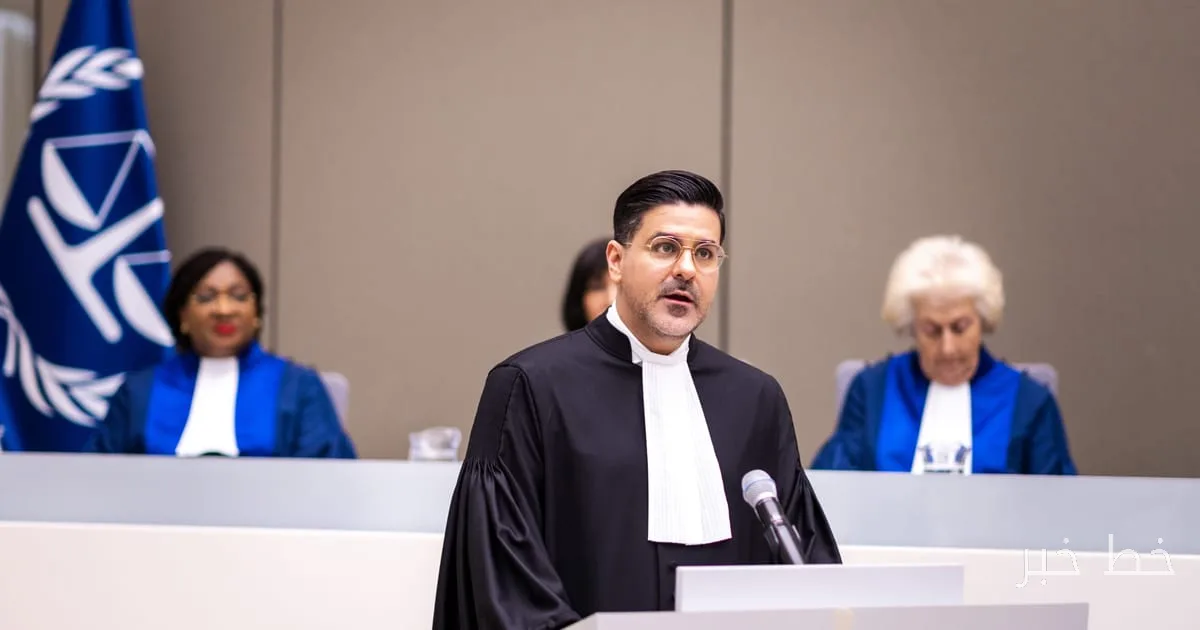
Osvaldo Zavala Giler, the registrar of the International Criminal Court based in The Hague, has called on the European Union to respond as soon as possible to the United States sanctions against this institution. In an interview, he stressed that transparency in this matter is essential for private companies and non-governmental organizations to know whether they should comply with these sanctions or not.
Consequences of US sanctions
US sanctions have specifically hit judges and prosecutors of the International Criminal Court, and in October 2023, the United States imposed broader sanctions as well. While the European Union has always supported this court, it has not responded to requests to activate a mechanism that would prevent companies from complying with US laws. This situation has raised significant concerns among senior court officials.
Read more: German Foreign Minister warns of the risk of famine due to ongoing wars
Zavala Giler stated that the lack of transparency from the European Commission has caused confusion among private companies and non-governmental organizations, and they do not know what risks they will face if they do not comply with the sanctions. He added that this issue has negatively impacted the activities of organizations that assist the court and has created a chilling effect.
Court actions to counter sanctions
The International Criminal Court has spent six months avoiding American technology providers and has transitioned to an open-source software environment. Additionally, this institution has spent 20 months conducting its financial transactions in a way that has no connection to the dollar. These changes have required significant efforts, and Zavala Giler's team has faced numerous challenges.
He noted that the court had initially relied on American technologies, but after a major cyber attack in 2023, this dependency has become a problem against the sanctions. Although telecommunications activities are exempt from these sanctions, there is no guarantee that this situation will continue.
Zavala Giler also emphasized the need to achieve financial independence, stating that the court has mapped all its suppliers' transactions in a way that has no connection to the United States. He explained that all court staff must have European bank accounts, and this process has been carried out meticulously and on an individual basis.
This situation will worsen if clear guidance is not provided by EU countries and the Commission. Zavala Giler warned that if the International Criminal Court cannot operate in Europe and the Eurozone without connections to the United States, it raises larger questions about Europe's financial sovereignty.
The court has consistently called for the use of a legal shield in the European Union to prevent European companies from complying with US sanctions. This request has been supported by many lawmakers in the European Parliament.
Zavala Giler expressed hope that now that the Council of Europe has opened this door, the Commission will feel more comfortable taking clear actions.
Read more: Protesters in New Delhi demand the resignation of Gianesh Kumar · Asim Munir in Tehran seeks to revive Iran-US negotiations