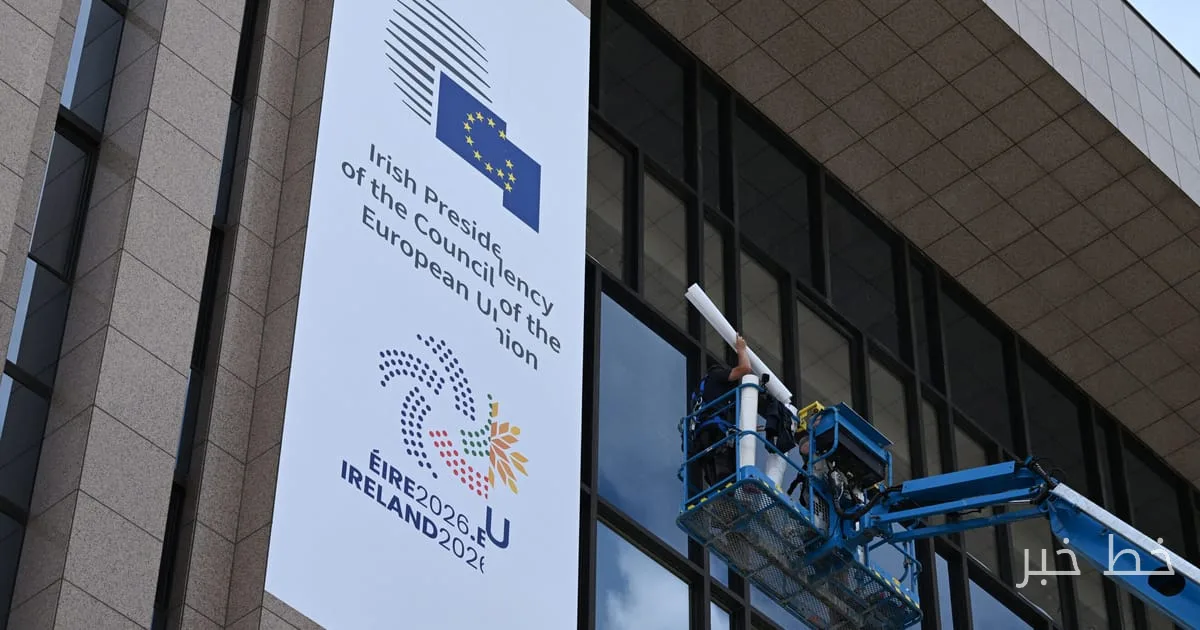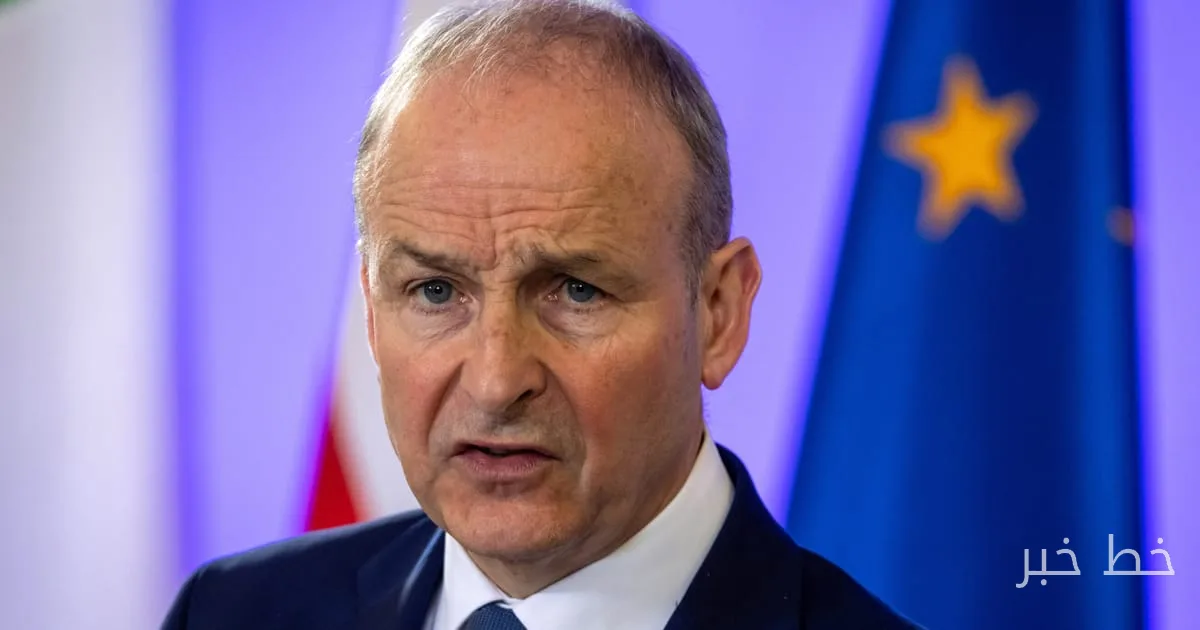
Seventeen EU countries, in a letter to Micheál Martin, the Prime Minister of Ireland, called for the preservation of the agricultural budget and regional payments in the upcoming seven-year budget. This letter, signed on Friday by countries such as Italy, Spain, and Poland, puts significant pressure on Ireland's rotating presidency of the EU Council to keep nearly 900 billion euros of expenditures unchanged in the draft of the future budget.
Preserving Cohesion Policy and CAP
The signatory countries emphasized in this letter: "Therefore, we believe that overall funding for the cohesion policy and the Common Agricultural Policy (CAP) should be maintained in the future MFF." The signatory countries include Bulgaria, Croatia, Cyprus, the Czech Republic, Estonia, Greece, Hungary, Italy, Latvia, Lithuania, Malta, Poland, Portugal, Romania, Slovakia, Slovenia, and Spain.
Read more: Trump urges Senate Republicans to advance the permanent daylight saving time bill
Coordination and Informal Meeting
Giorgia Meloni, the Prime Minister of Italy, and Nicolae Ciucă, the President of Romania, coordinated this initiative and are set to hold an informal meeting of these countries on the sidelines of the European Council on October 15 and 16.
The Multiannual Financial Framework (MFF) finances everything from farmers' subsidies to development aid and is considered one of the toughest negotiations in Brussels. In 2025, the European Commission proposed a budget of nearly 2 trillion euros for the period 2028-2034, in which billions of euros from agriculture and regional payments, known as cohesion policy, were shifted to new priorities such as defense and competitiveness.
The group known as the Friends of Cohesion warned that further cuts in agriculture and cohesion "only weaken the budget and risk undermining public support for the European project."
The Irish negotiating document, or negobox, will set the stage for discussions among the 27 EU leaders at the Brussels summit in October. EU governments are striving to reach a final agreement by the end of the year before national elections in France, Poland, and Italy affect the negotiations.
One of the most sensitive issues is the introduction of new taxes at the EU level, known as own resources, to finance the budget. The Commission has proposed five new taxes estimated to generate 66 billion euros annually. This tax package is strongly supported by France, but several national governments have opposed it due to concerns about the unfair impacts of these taxes.
The seventeen countries wrote in their letter that the new resources "must be real, fair, simple, and non-reversible." To create more space, they also called for a delay in the repayment of post-COVID debts, which is expected to cost 25 billion euros annually, and opposed budget discounts for wealthy countries, known as rebates.
Read more: France increases its defense budget next year · European countries respond in unison to US pressure on diesel