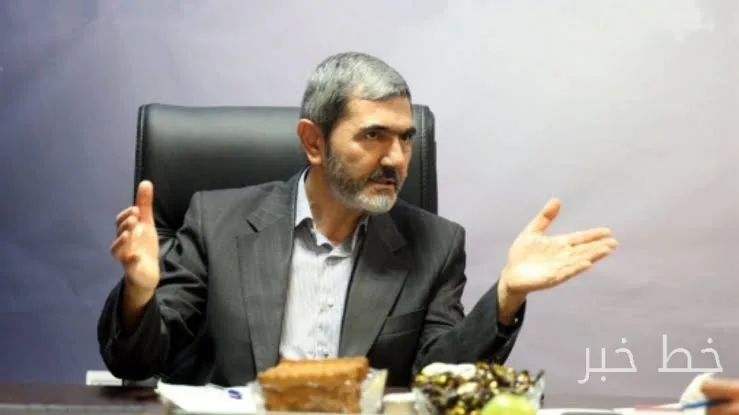
Seyed Morteza Mobalegh, the political deputy of the Ministry of Interior in the Reformist government, emphasized the need to exploit all national capacities to strengthen the country's diplomacy, stating: Iranians abroad, elites, and influential figures in various parts of the world can play a role in shaping effective lobbies, conveying Iran's narrative, and advancing the country's diplomatic goals.
Power and Diplomacy; Two Sides of the Same Coin
Mobalegh, referring to the President's remarks at the United Nations, interpreted the phrase "We seek power for peace, not war" and stated that peace without power is fragile, and power without diplomacy is costly. He added: diplomacy lacking the backing of power easily becomes a tool for enemy exploitation. The opposite of this statement is also true; as power without active, effective, and innovative diplomacy remains unproductive and does not achieve desirable results.
Read more: Ted Cruz Criticized Tucker Carlson's Remarks on World War II
According to Mobalegh, power has diverse components, with military strength and social cohesion and unity between the government and the people forming its key parts. Diplomacy also has various dimensions, and its simultaneous utilization with the components of power creates a highly effective combination that neutralizes the enemy's greed.
The Difference Between Negotiating from a Position of Power and Weakness
In response to the question of what the difference is between negotiating from a position of weakness and negotiating from a position of power when faced with a party that has bombed the negotiation table, Mobalegh emphasized: If the Americans and Zionists have bombed the negotiation table, invaded the country, and targeted it for bombing, it was because they believed they could bring Iran to its knees in various aspects.
This political activist noted: The key point is that the enemy must feel that Iran is a powerful and capable country both in terms of social cohesion and defensive capability. He referred to the 40-day war and said: Despite extensive preparations, the enemies quickly realized the extraordinary deterrence that has developed in both military and social solidarity in Iran.
Mobalegh emphasized: We must not allow the enemy to feel that Iran has become weak. If defensive power and diplomatic authority are maintained, aggressors will refrain from greed and will inevitably submit to principled diplomacy that secures Iran's rightful rights and interests.
U.S. and Israeli Strategy
Mobalegh discussed the multi-layered strategy of the U.S. and Israel, stating: This strategy includes economic pressures through blockades and various sanctions and efforts to create social chaos. They are seeking to create turmoil by arming their proxy groups to undermine the country's social cohesion and resilience.
He emphasized that in this situation, Araqchi has spoken of standing firm against Trump to assure the counterpart that Iran, just as it has not retreated in the face of pressures and threats so far, will not yield to these pressures in the future.
Mobalegh added: The U.S. and the Zionist regime, despite their defeat in the last two wars, continue to use military threat rhetoric, which indicates that they are trying to force Iran to surrender.
He stated that accepting a ceasefire dealt a heavy blow to the prestige and psyche of Washington and Tel Aviv, saying: Now they are trying to present a fabricated victory to world public opinion by creating various scenarios.
In conclusion, Mobalegh emphasized the importance of diplomacy, stating: Iran is in a sensitive situation and is facing extensive narrative-building and complex psychological warfare. Diplomacy in such conditions must be a multi-dimensional and modern process that utilizes all its aspects.
Read more: Samuel Alito Has Considered Retirement from the Supreme Court · Iran Became an Untransparent and Security-Oriented Government After Khamenei