The state elections in Germany are being held in the state of Mecklenburg-Vorpommern, with the main competition between the Social Democratic Party (SPD) led by Manuela Schwesig and the far-right Alternative for Germany (AfD). Schwesig, who is currently the state’s prime minister, has declared her goal to prevent the advancement of AfD. Polls indicate that AfD is leading with about 37 percent, while SPD is trailing with 33 percent.
Challenges Facing Schwesig and AfD
Manuela Schwesig recently stated that "the situation is serious" and warned that an AfD victory could harm the economy and social cohesion. She specifically pointed to the rise of violence and hatred in society, emphasizing that this issue will particularly affect women. Meanwhile, Leif-Erik Holm, the AfD candidate for the state premiership, is trying to garner more support from voters.
Read more: Canada Introduced as the First Associate Member of the European Union
Performance of CDU and Other Parties
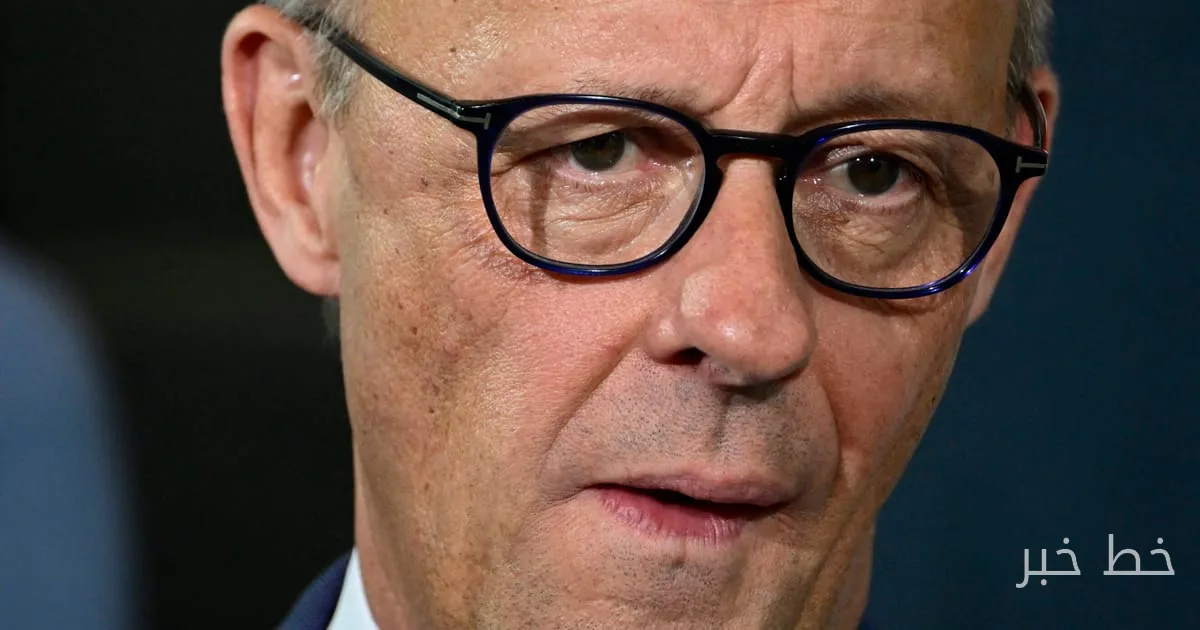
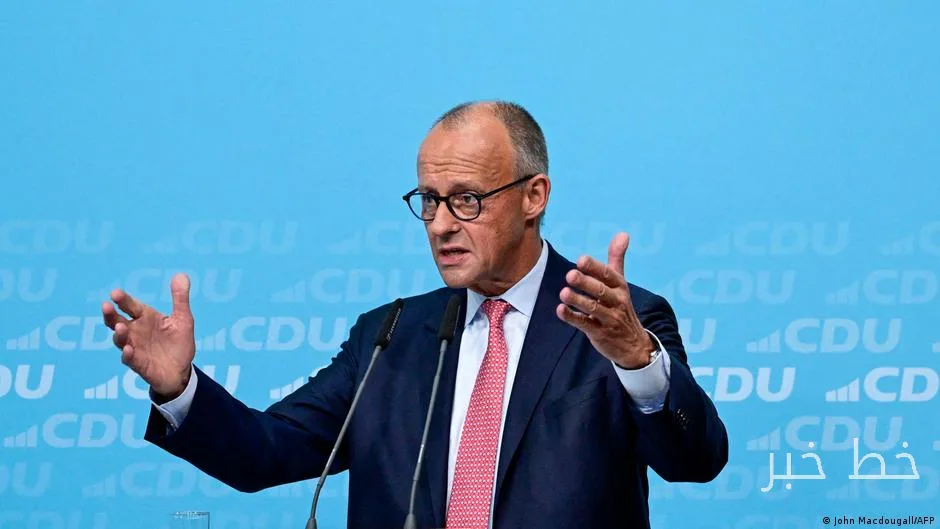
The Christian Democratic Union (CDU) led by Friedrich Merz, the Chancellor of Germany, is also under scrutiny in this election. CDU currently holds about 7 percent of the votes, which is above the 5 percent threshold needed to enter the state parliament. In the previous election in 2021, this party only garnered 13.3 percent of the votes. If CDU fails to reach this threshold, there will be significant pressure on Merz to maintain his position.
In Berlin, the election has turned into a close competition between CDU and the Left Party (Die Linke). In this state, AfD is also recognized as the third leading party. Housing issues and rental costs in Berlin are among the most significant concerns for voters, as rents have doubled since 2014.
Friedrich Merz recently attended a campaign event in Berlin, but has generally avoided campaign activities. Nationally, polls show that Merz's popularity has significantly declined, and AfD is rising with 27 to 29 percent.
The state elections in Mecklenburg-Vorpommern and Berlin could have significant impacts on the political landscape of Germany and affect the future of Chancellor Merz. Given the recent changes in polls, many do not expect Merz to remain Chancellor by the end of this year.
Read more: Ursula von der Leyen Proposed Associate Membership for Canada · Iowa Becomes Challenging for Republicans Ahead of Midterm Elections