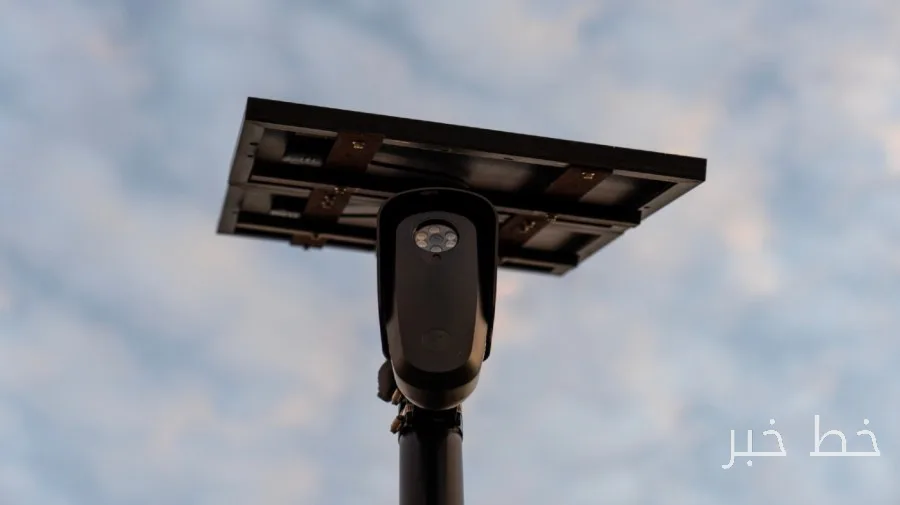
Europol, as the central agency for police cooperation in Europe, is looking to strengthen its capabilities in artificial intelligence (AI) to address new threats such as cybercrime, terrorism, and espionage. European officials warn that this enhancement should not come at the expense of citizens' privacy.
New Challenges Against Cybercrime
With the increasing use of artificial intelligence by criminals for illegal activities including fraud and cyberattacks, Brussels aims to bolster Europol's AI skills. Fabienne Keller, a Member of the European Parliament, stated that Europol is at a turning point and needs more resources and capacities to support national law enforcement. She emphasized that this enhancement must be accompanied by strong democratic oversight and protection of fundamental rights.
Read more: Trump Supported Data Centers in Ohio
This summer, the European Union introduced a project to create a "transformational evolution" in Europol. This project includes doubling Europol's budget to €3 billion and incorporating this agency's active role in tackling new threats. These changes will allow Europol to access more data and utilize more advanced technologies.
Concerns About Privacy
Despite extensive discussions about the use of advanced AI models, law enforcement agencies face criminals who leverage the latest technologies. Wojciech Wiewiórowski, the European Data Protection Supervisor, welcomed the idea of strengthening Europol but stressed the necessity of having the required controls in place. He expressed concern that the proposed plans to enhance Europol bring serious privacy issues.
Wiewiórowski stated, "When discussing the strengthening of Europol and changes in its scope of activities, questions about how to oversee this agency must be raised." He also pointed to the new challenges that artificial intelligence poses for law enforcement, adding that this technology can make criminal activities faster, more complex, and scalable.
Europol, which has over 1,700 employees, is designed as a central organization that collaborates with police services of European countries. Under the new project, the European Union relies on this agency to find new ways to use artificial intelligence in processing large data sets and assisting national law enforcement in solving cases in real-time.
While recent advancements in artificial intelligence can aid both criminals and law enforcement, these forces must adhere to democratic principles. According to new projects, Europol may gain access to a vast amount of information that could pose a threat to citizens' privacy.
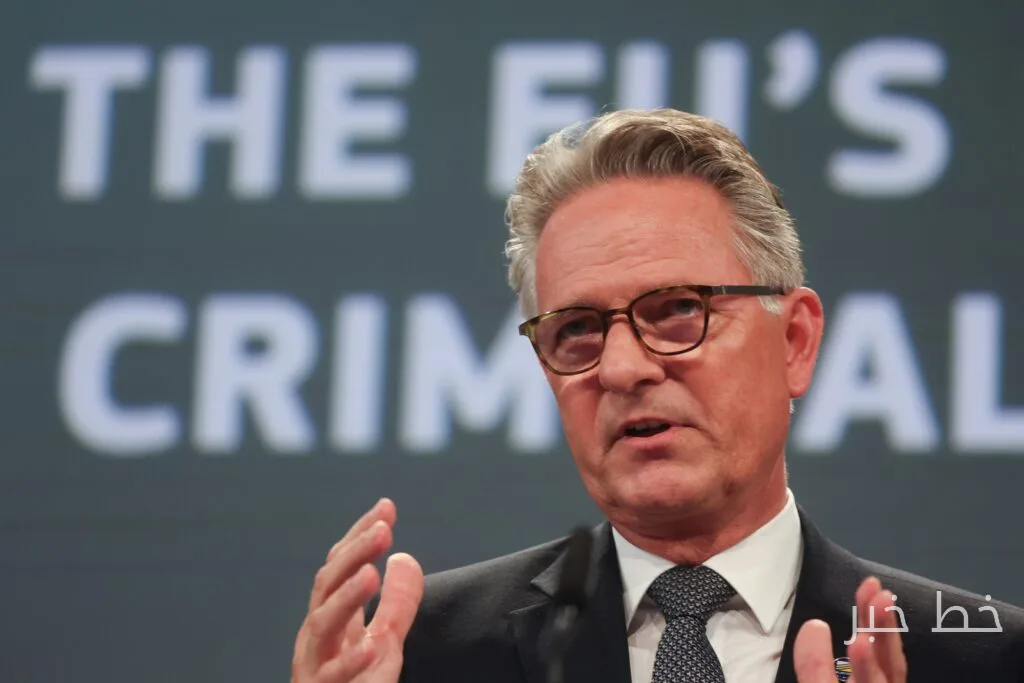
The legal conditions governing law enforcement's use of artificial intelligence have raised concerns for Jürgen Ebner, the new director of Europol. He emphasized the importance of quick access to electronic evidence and stated that artificial intelligence can assist investigators in filtering large volumes of digital evidence, correlating information, and identifying usable data. He also noted the risks that may arise if democratic principles are not upheld.
Read more: Success of the Starship Launch into Low Earth Orbit · Emmanuel Macron Recognized as the World's Leading Leader in Artificial Intelligence