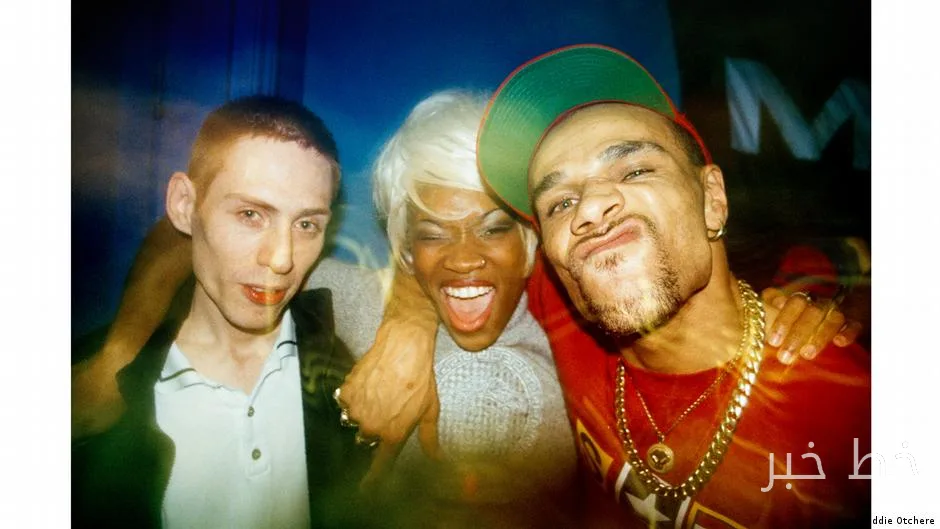
The exhibition 'The 90s: Art and Fashion' at Tate Britain runs from October 8, 2023, to February 14, 2027. This exhibition explores the artistic and fashion works in Britain during the 1990s and reviews the cultural and social transformations of that time.
Social and Cultural Transformations
The 90s in Britain recalls a period of significant social and cultural changes. The end of Margaret Thatcher's long tenure and the transition to a period of relative stability after the Cold War created a new space for artistic creativity. During this time, cultural figures like Oasis, the Spice Girls, and Vivienne Westwood also gained global fame.
Read more: Audiobook walking groups have gained significant popularity
However, the aim of the exhibition 'The 90s: Art and Fashion' goes beyond familiar names and recognized images. Although artists like Damien Hirst and Juergen Teller are among the 70 participating artists, the exhibition seeks to showcase the creativity of individuals who were marginalized in society.
The Impact of Artists on Society
Edward Enninful, the chief curator of the exhibition, states that 'the energy of the 90s was not concentrated in one movement but was distributed across various communities and disciplines that were not always represented equally.' Enninful himself was recognized as the youngest fashion director of i-D magazine during this period and had a significant impact on the London fashion scene.
This exhibition particularly focuses on artists of color and women whose works were not prominently displayed at that time. Artists like Chris Ofili, Steve McQueen, and Kate Piper redefined black masculinity in Britain during the 90s and challenged misconceptions about black men.
During this period, British youth culture rapidly grew, and 'Cool Britannia' became a common term representing the flourishing of youth culture, pop music, and art in the 90s. This decade provided an opportunity for artists to create their works without waiting for support from traditional institutions.
Empty buildings and industrial spaces became informal venues for showcasing works. Damien Hirst organized the 'Freeze' exhibition in 1988 in an abandoned warehouse in London, which is recognized as a milestone in the artistic history of the 'Young British Artists' generation.
Artists Sarah Lucas and Tracey Emin opened 'The Shop' in 1992 as a temporary art gallery, where exhibitions could develop outside of formal galleries. These two artists paved the way for female artists with their personal works and sharp presentations.
Meanwhile, the British fashion industry was introduced to the global stage. Kate Moss was recognized as the ideal feminine figure of the 90s, and the 'heroin-chic' style emerged as an anti-luxury response to the athletic physiques of previous supermodels. This trend brought significant cultural critiques and raised concerns about promoting addiction and eating disorders among young women.
Ultimately, the 90s is recognized as an exciting period in the world of fashion and art, introducing designers like John Galliano and Alexander McQueen to the international scene. McQueen's shows critiqued British history, addressing social and cultural challenges and presenting a portrayal of British identity during this era.
This exhibition aims to revisit the artistic works and cultural influences of that time, reexamining Britain's cultural identity in the 90s.
Read more: The naked statue of Donald Trump was displayed in the European Parliament · Taylor Swift receives the MTV VMA award for artistic direction